2 hours ago
3
2 hours ago
3

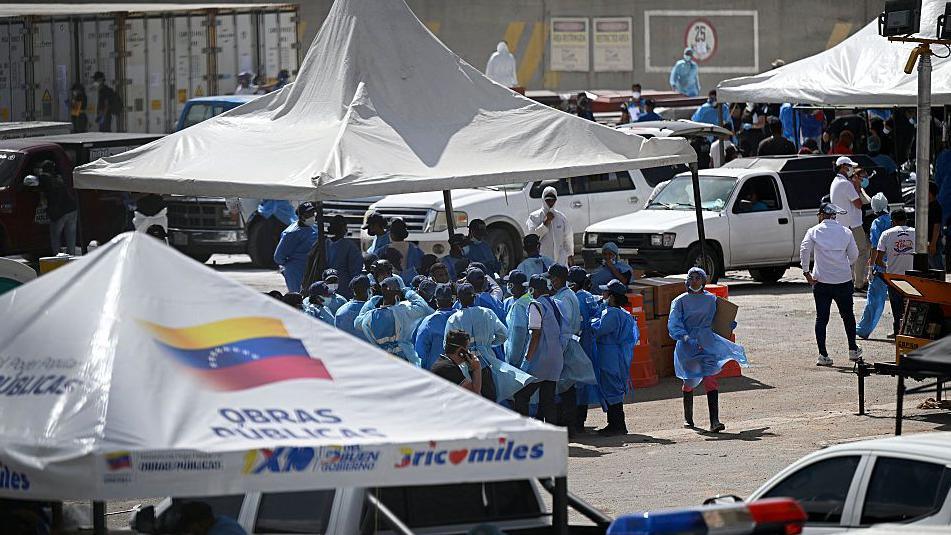 Image source, AFP via Getty Images
Families face long waits at a port facility transformed into a morgue in La Guaira
ByNorberto Paredes
BBC News MundoReporting fromLa Guaira, Venezuela
Warning: This story contains distressing details
At a port storage facility transformed into a makeshift morgue in La Guaira, the same scene repeats itself again and again.
Families - many of whom have already spent days searching hospitals, shelters and rubble - wait hours to try and confirm the deaths of their loved ones.
As the death toll of Venezuela's twin earthquakes surpasses 2,600, officials face the challenge of not only recovering victims, but identifying them.
The scale of the disaster has overwhelmed local services, forcing institutions to improvise.
With little infrastructure left standing nine days after the tremors, bodies have been put outside or in temporary tents.
Under the blazing sun, dozens of families wait with a mixture of anguish and dread.
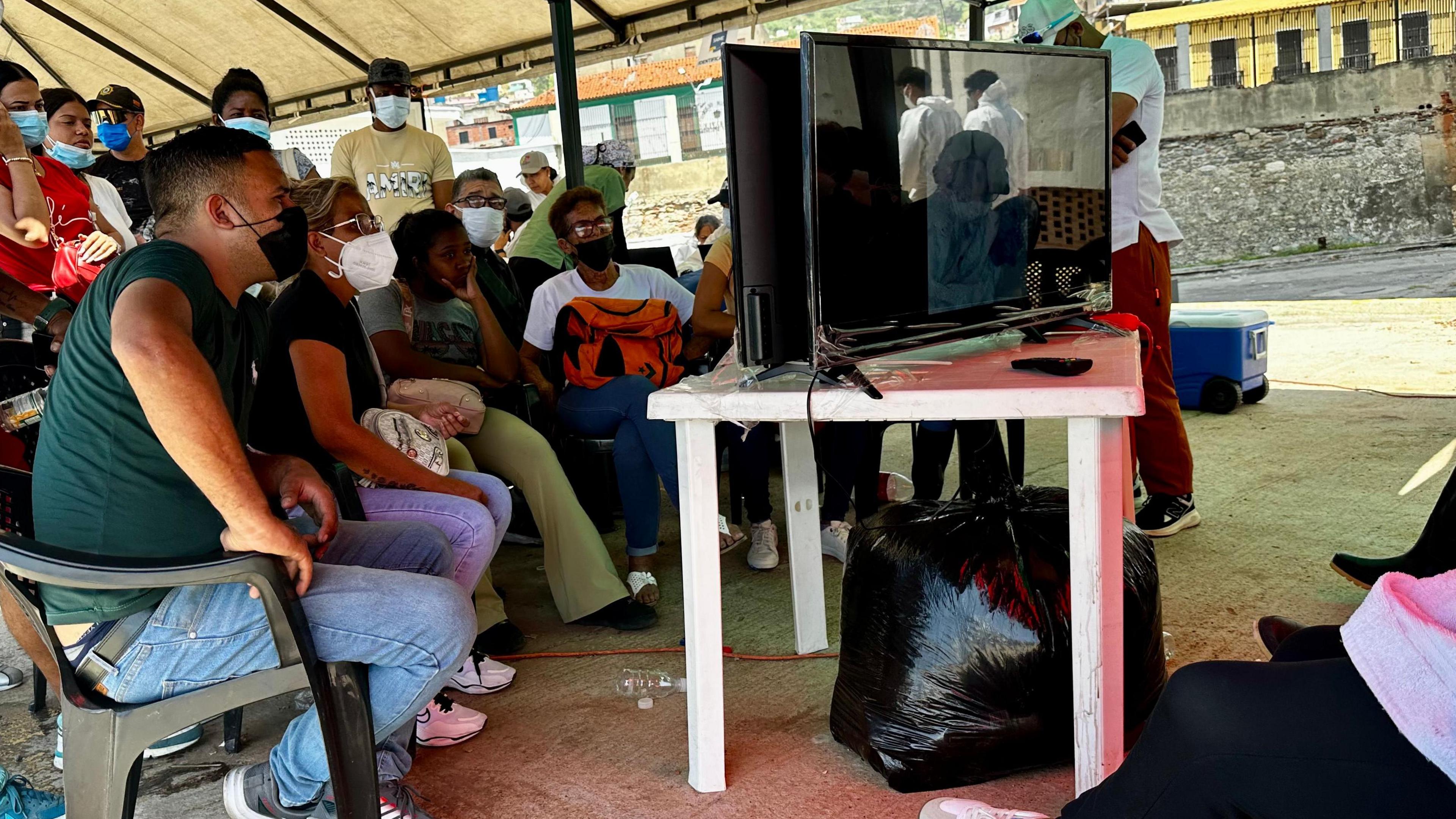 Image source, BBC Mundo
Families try to identify their loved ones from images cycling across two television screens
Rows of chairs have been placed inside and outside Los Silos, where sadness is contagious.
No one speaks. Some stare blankly into space, others check their phones, reading the news or answering messages.
Just a few metres away, armed personnel from the Bolivarian Armed Forces control access to the site.
"I'm afraid of what I'm going to see in there, but it's the only way to end this agony," a woman says before passing through the gate.
She has been searching for her nephew for nearly a week.
"I've looked for him everywhere: in the building, in the hospitals, I've spoken to everyone… and no one knows anything."
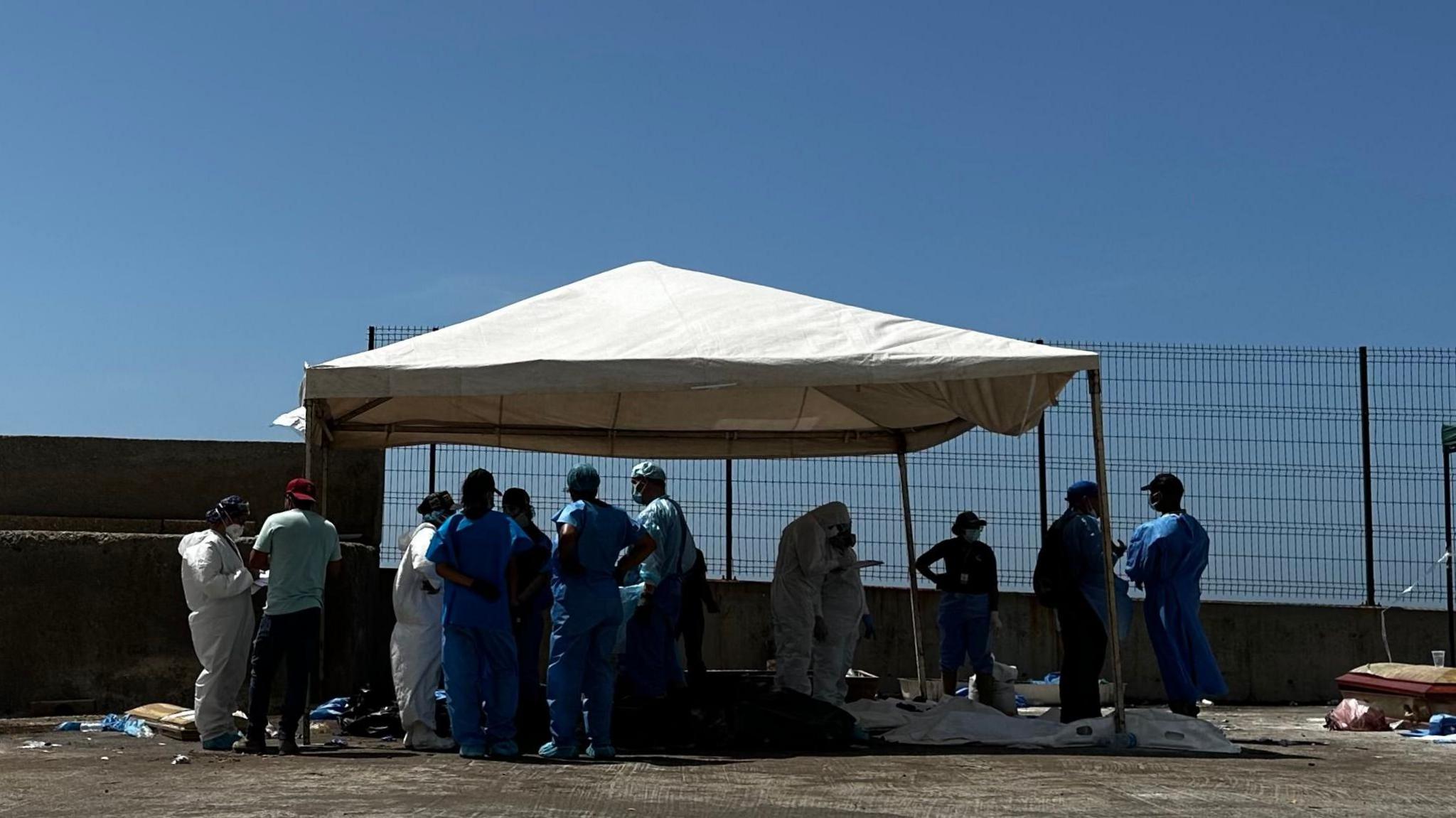 Image source, BBC Mundo
Medical and forensic personnel work alongside bodies, covered with plastic bags
Inside, the smell of decomposition is the first thing that greets you.
Some family members cover their mouths with their hands. Most wear cloth masks, which offer little relief. Within minutes, many stop reacting. They seem to grow used to it.
Nearby, hundreds of bodies lie in rows, wrapped in plastic bags and exposed to the sun. In the sweltering heat, decomposition is rapid.
The bodies are arranged according to when they were recovered.
At one end of the site, a tent offers free cremation services. At the other, forensic specialists use dental records to help identify victims whose bodies have become difficult to recognise.
Families face two options. Those who think they can identify a loved one by their clothing are taken to one area.
Most relatives, however, are directed to two television screens. There, a different ordeal begins.
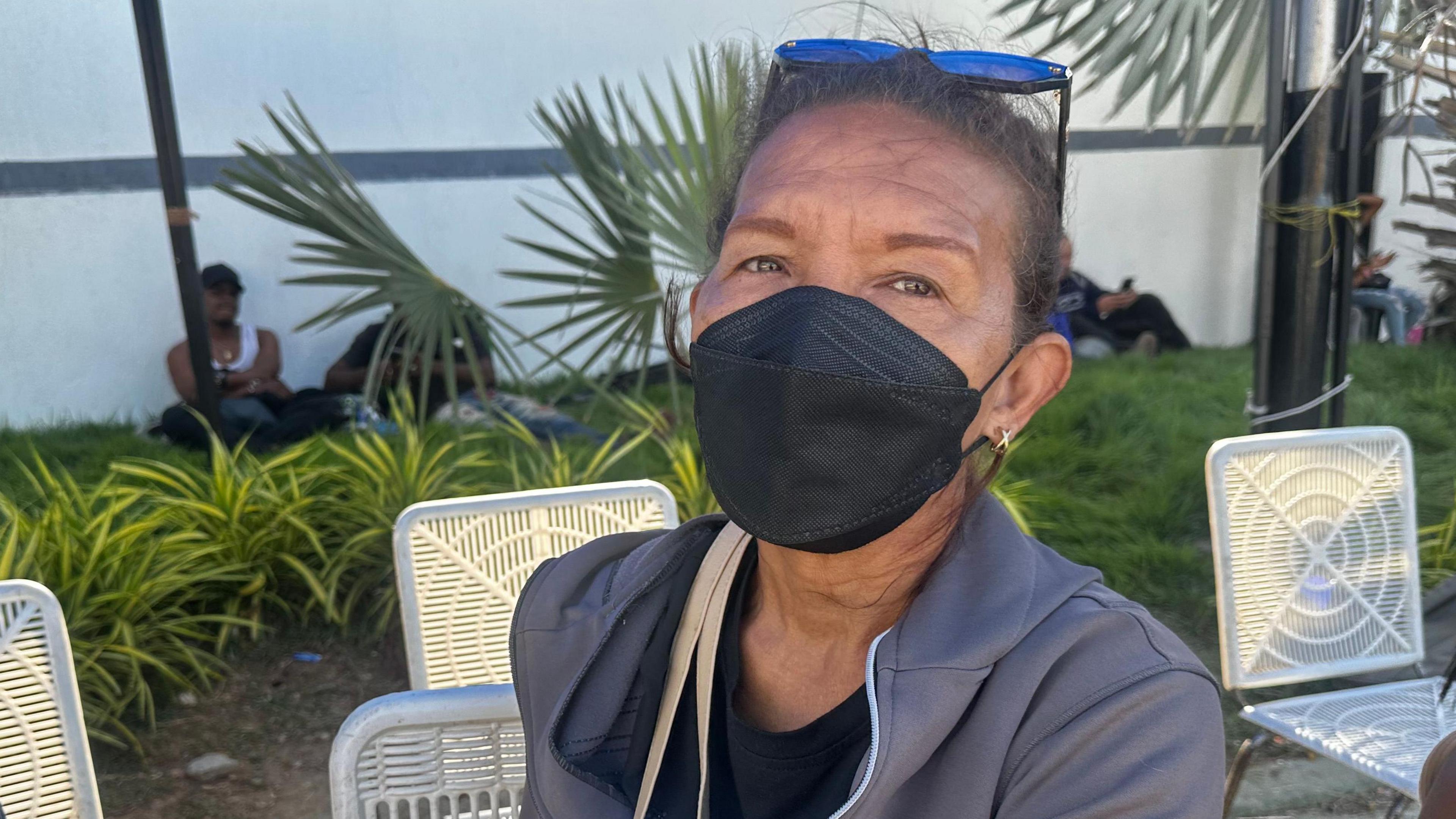 Image source, BBC Mundo
Liliana González managed to identify her 37-year-old nephew by his tattoo
More than 1,000 images of bodies flash across the screens in a sequence that feels endless. Many are swollen, have darkened skin or bear the marks of injuries, making identification difficult.
Families search for any trace that might help identify their loved ones - a tattoo, a bracelet, a piece of clothing, or an item from their home.
Sometimes there is a pause, a moment of hope. The two workers scrolling through the photos on an iPad zoom in on teeth, tattoos, or scars.
In front of one of the screens, a woman bursts into tears as she recognises her son thanks to a dusty blanket. Another woman, a stranger, embraces her.
A phone rings and breaks the silence.
A young man whispers into the phone that he is trying to identify his mother. But he says the state of the bodies is making it difficult.
"This is like a horror movie," Liliana González, a 60-year-old resident of Catia La Mar, says as she leaves.
She had come to look for her aunt, but in the end identified her 37-year-old nephew by his tattoo.
"He wasn't on the list," she says. "I had to look at the images."
"I saw my mum when she died, but this... this isn't the same."
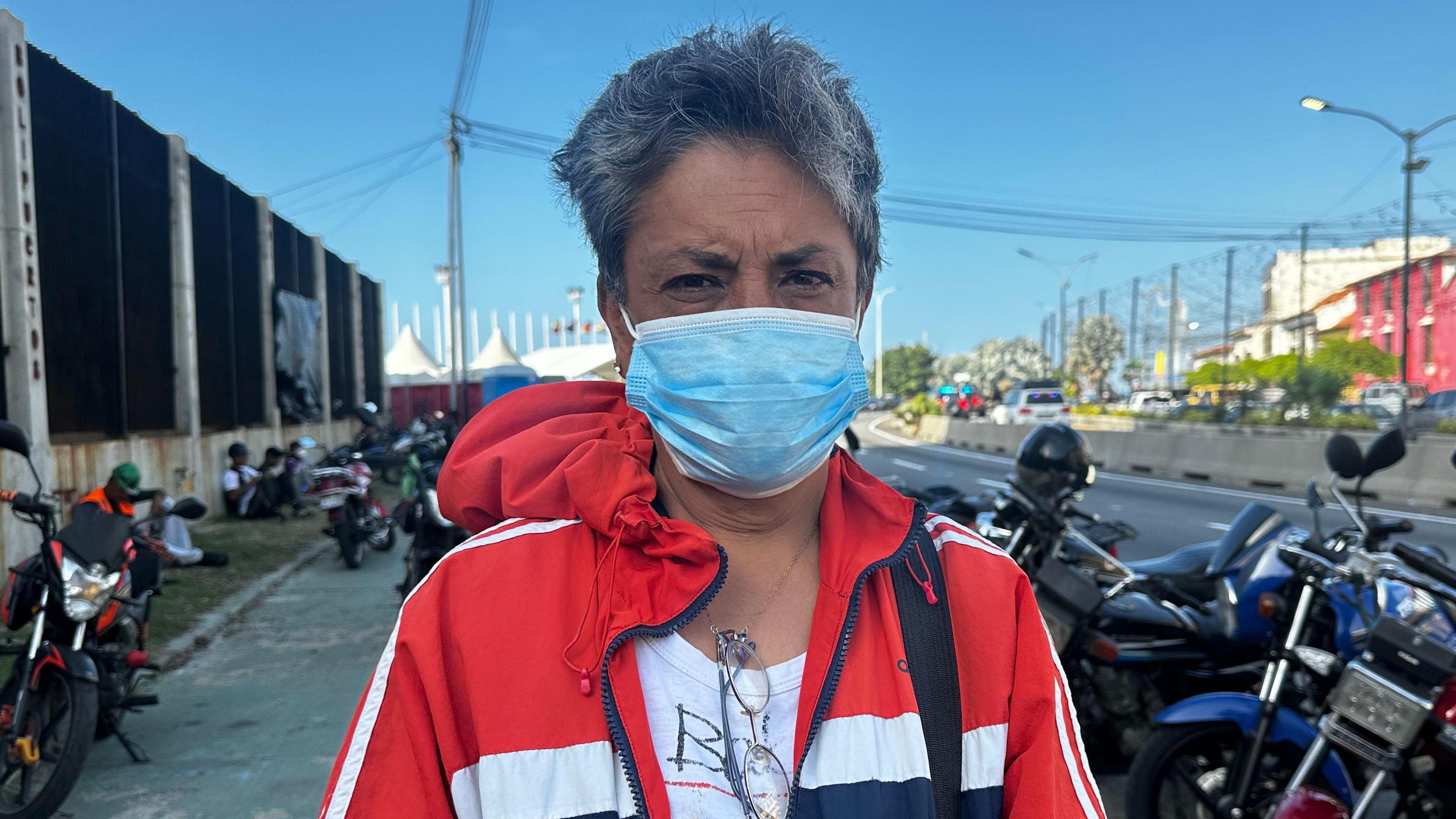 Image source, BBC Mundo
Modesta Alemán said that her relatives would not let her go in to identify her sister.
'No one could get them out'
Modesta Alemán, 56, travelled from Carayaca, in western La Guaira, to look for her older sister Matilde.
Her sister lived in Playa Grande - one of the hardest-hit areas.
"They told us there were no survivors," she says. Volunteers later said they could hear voices calling from the building, "but no one could get them out".
Modesta does not enter the makeshift morgue and waits outside while other relatives handle the identification process.
Perhaps, she says, it is better this way.
The process can take hours. Once a body is identified, the arrangements to remove the remains begin. After identification, fingerprints are taken, if possible.
Then, the bodies are placed in coffins. Later, the paperwork for the death certificate begins - an essential document so funeral homes can collect the remains.
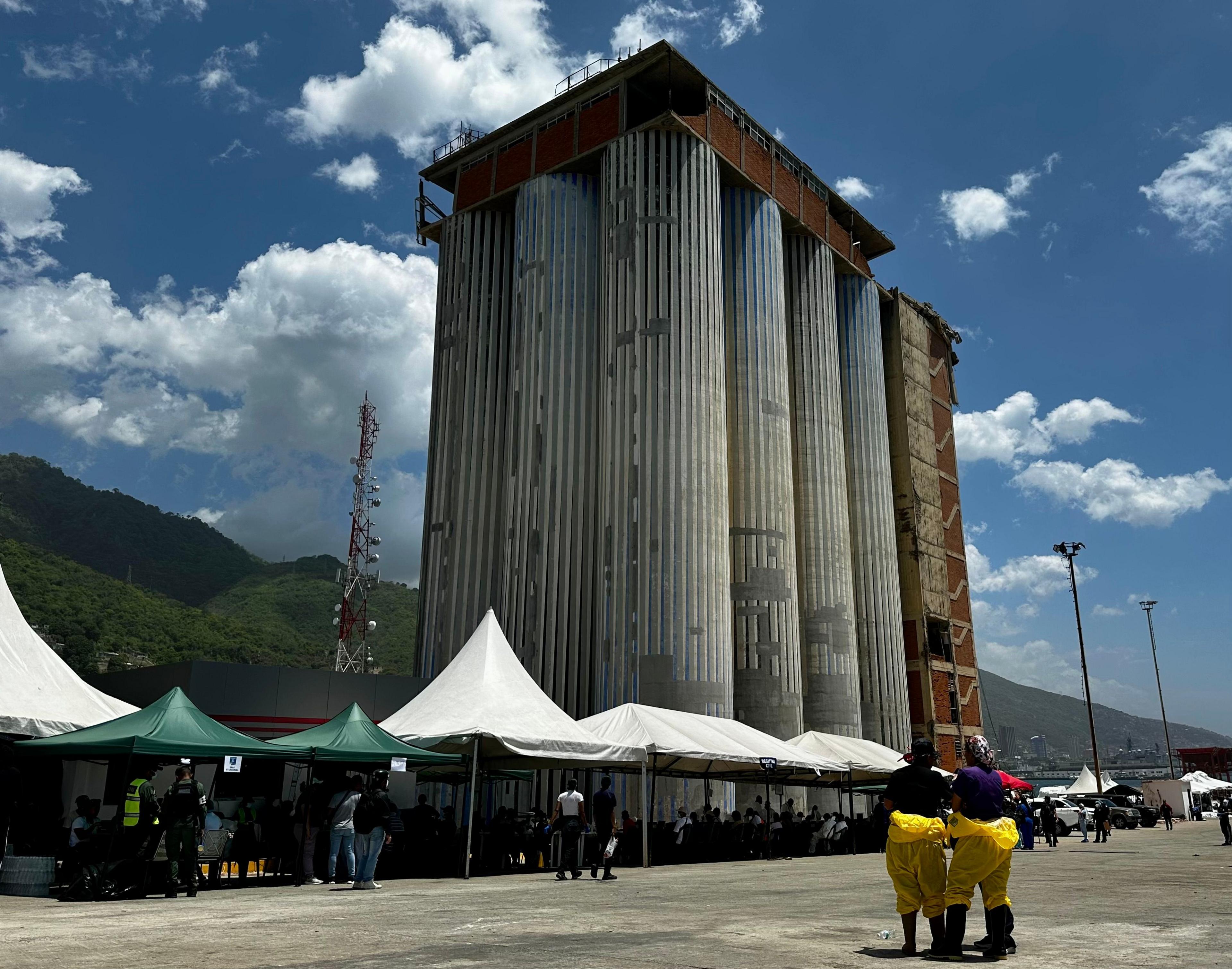 Image source, BBC Mundo
The Los Silos facility, a port storage site that has been turned into a makeshift morgue.
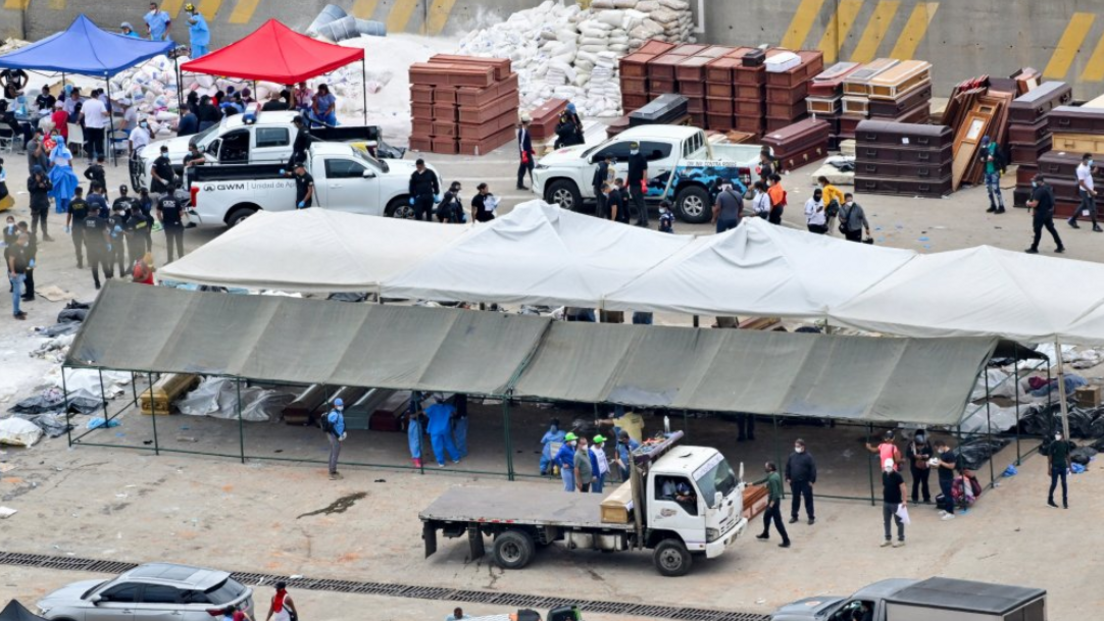 Image source, Reuters
Families face long waits at a port facility which has been transformed into a morgue in La Guaira
Jéssica Soto, 42, sits in a chair at the entrance to Los Silos.
For two days, she has been waiting for the remains of her 15-year-old daughter and three-year-old granddaughter, who got trapped in their apartment after the earthquakes.
Their bodies were recovered on Tuesday, nearly a week later.
"They keep you waiting and waiting for the paperwork, the trucks, and who knows what else," she tells BBC Mundo.
"They have had them there in a coffin, sitting out in the sun since yesterday. I have no choice but to wait and trust in God."
Liliana says she panicked when she was told she would have to identify her nephew by herself.
"But then, seeing me like that, two workers accompanied me to the body. They helped me find him so I wouldn't suffer as much," she recounts.
"Thank God, because in a moment like that, it's good to feel someone's hand."
Her aunt remains buried in the rubble. She fears having to return to the morgue in the coming days to repeat the process all over again.