
 6 months ago
66
6 months ago
66

Francesca OsborneBBC West Investigations

 BBC
BBC
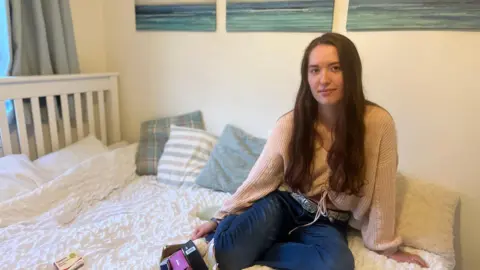
Lara Tang was 16 when she was first prescribed the drug fluoxetine
About 70,000 under-18s are prescribed antidepressants each year, BBC analysis of NHS England figures shows.
However, Gloucestershire GP Tom Sutherland said "skyrocketing demand" for young people's mental health services meant some doctors felt forced to prescribe medication outside of those guidelines.
"GPs often find themselves in a really difficult situation where [a patient's] access to that specialist will be 18 months or two years away," Sutherland added.
"They're forced into a position where they can either not prescribe that medication, and there's a potential harm there to the patient by being left untreated, or they can act outside of guidance and initiate that medication.
"There's no good choice for GPs in the system as it is at the moment."
Sutherland said patients at his surgery were never prescribed antidepressants in isolation and were referred to support services while they waited to see specialists.
He added that approximately a third of his patients in one day could be young people with a mental health complaint - and he is not alone.
The BBC has spoken to a number of GPs who said they had made the "difficult decision" to prescribe antidepressants to under-18s with serious mental health problems on occasion.
However, some GPs said they would be unwilling to prescribe the drugs due to their lack of specialist knowledge.
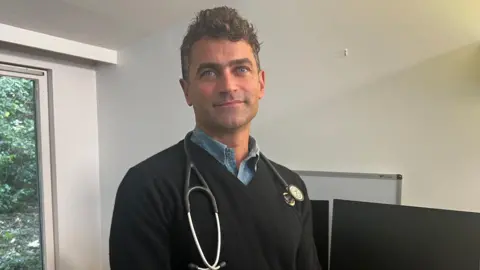
Sutherland says he regularly sees children from the age of six onwards with complaints of depression and anxiety
According to NHS England, the mental health workforce has been boosted by two fifths since 2019. It said antidepressants should only be prescribed alongside other mental health support.
NHS figures obtained through a Freedom of Information request show an average of 70,168 children in England per year were taking antidepressants from 2020 to 2025. Of those, an average of 2,545 were under 12.
It comes as child referrals to mental health services regularly reached more than 100,000 a month since 2022 - up from a monthly average of 45,850 in 2017, according to NHS England.
Antidepressants can be prescribed to young people for a variety of reasons, including depression, anxiety, bedwetting and pain.
Lara Tang, from Portishead near Bristol, was prescribed antidepressant fluoxetine by her GP for depression and anxiety when she was 16.
"I was having a lot of problems at school," said Tang, now 22. "It really was a situation that needed treatment."
She said she was "grateful" to be offered something to help, adding: "The GP is recognising that I've got these struggles and I'm not just being left to suffer."
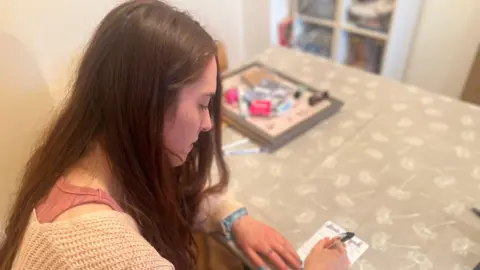
Tang no longer takes antidepressants but has other mechanisms to manage her mental health
Tang said she experienced side effects including sleep paralysis, fatigue and brain fog, which left her "exhausted" and affected her school attendance.
However, she believes medication may have helped her get well enough to engage with other kinds of treatment.
After having regular medication reviews, Tang began treatment with Children and Adolescent Mental Health Services (Camhs) four months after starting antidepressants.
She has since stopped taking the medication and said she had built up an "arsenal" of other coping strategies.
"I have a little distraction box which really helps me and I've learned the things that can lead me to being in a bad place," she said.
"I know to look out for the warning signs – if I'm not sleeping, eating regularly, taking on too much stress or if I'm isolating myself."
The issue of long waits to access mental health support has been raised by the children's commissioner, with the most recent report highlighting how nearly 40,000 children are experiencing waits of at least two years.
However, Sutherland said he and his colleagues believed waiting times for meaningful treatment were often longer.
He said demand for child mental health support at GP surgeries was "huge".
"We see children with complaints of depression and anxiety from the ages of six onwards not infrequently," he said.
"We're also seeing a spike in numbers with serious complaints too."
He believes a variety of factors are contributing, including social media use and cost of living pressures on families.
"There is also a greater fluency amongst the patient population with regards to noticing and then talking about mental health disorders," he added.
Sutherland said while he had made the choice to prescribe antidepressants to children in some cases when he felt it was in their best interest, he could "very easily imagine" why a GP might decide not to.
"It comes with clinical risk, it comes with legislative risk," he explained, adding young people then required frequent assessments which GPs were "not resourced to do".
Professor Victoria Tzortziou Brown, chair of the Royal College of GPs, said general practice was often the first place a young person goes when they need support.
"We know that there can be long waits for some specialist care and patchy support across the country," she added.
 Grainge photography
Brown said decisions to prescribe medication are not taken lightly
"In some circumstances, particularly while awaiting specialist input, a GP may decide, based on their clinical judgement and in careful discussion with the patient and their family, that prescribing medication is in the young person's best interests."
"These decisions are not taken lightly and will involve weighing up potential benefits and risks, appropriate monitoring, and regular reviews."
Lily Shervington, from Worcestershire, had been in therapy for at least a year when she was prescribed antidepressants at the age of 16.
Shervington said the drugs were pitched in a "take this and you'll feel better" way as therapy "wasn't doing as much as it should have been".
While her treatment was in line with clinical guidelines, she said an initial improvement in symptoms "quickly wore off" and she experienced side effects.
"It got to a point where I was on the highest dose where that was a sort of unliveable mindset for me to be in. I felt numb.
"I remember reading the side effects of the medication in the actual box and just thinking 'why am I being prescribed something where depression is a side effect?'."
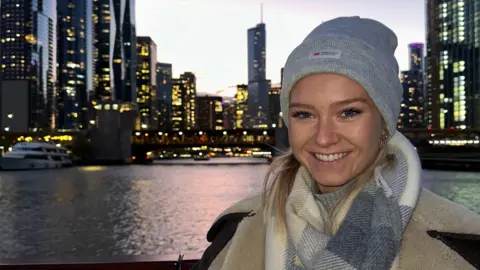
Shervington struggled with side effects of prescription drugs
Sutherland said the majority of the children his surgery sees do not require antidepressants.
The surgery has employed a qualified counsellor as a wellbeing coordinator to support young people and some of its patients are also helped by The Door charity in Stroud, which runs youth groups and mentoring sessions in schools.
The charity's director Victoria Robson believes the charity's workers are helping to reduce the need for clinical treatment in some cases by listening to children.
"Young people come to us thinking they might need a clinical intervention," she said. "What they really need is somebody to listen to them and to be alongside them.
"Time and time again, we have young people that say they no longer need that professional service."
An NHS spokesperson said there was "record demand for children and young people's mental health services, with two thirds more accessing services than in 2019".
Additional reporting by Lauren Woodhead, England Data Unit


