45 minutes ago
2
45 minutes ago
2

'Mum died young from asbestos - now my family want justice'
ByWill FyfeWales Impact and Angharad ThomasBBC Wales
When Caroline Bryan was enjoying high school with friends in the early 90s, she would never have imagined replaying those memories in her final weeks, while searching for answers about her terminal condition.
The mum was 46 when she died from mesothelioma, an incurable cancer linked to asbestos exposure.
As she came to terms with her difficult diagnosis, Caroline's belief was the only place she could have encountered asbestos was during her time at school decades earlier.
Her family blame the local authority that ran Caroline's school for her death and are taking legal action. Cardiff council said it would be inappropriate to comment on ongoing legal proceedings.
"She never had the sort of career that would have exposed her to asbestos," said Caroline's daughter Brooklyn.
"We never lived in any houses that would have had asbestos in."
Caroline was mostly a stay at home mum and the family hadn't heard of mesothelioma before, but quickly learned it likely came from asbestos fibres she will have unknowingly breathed in many years before.
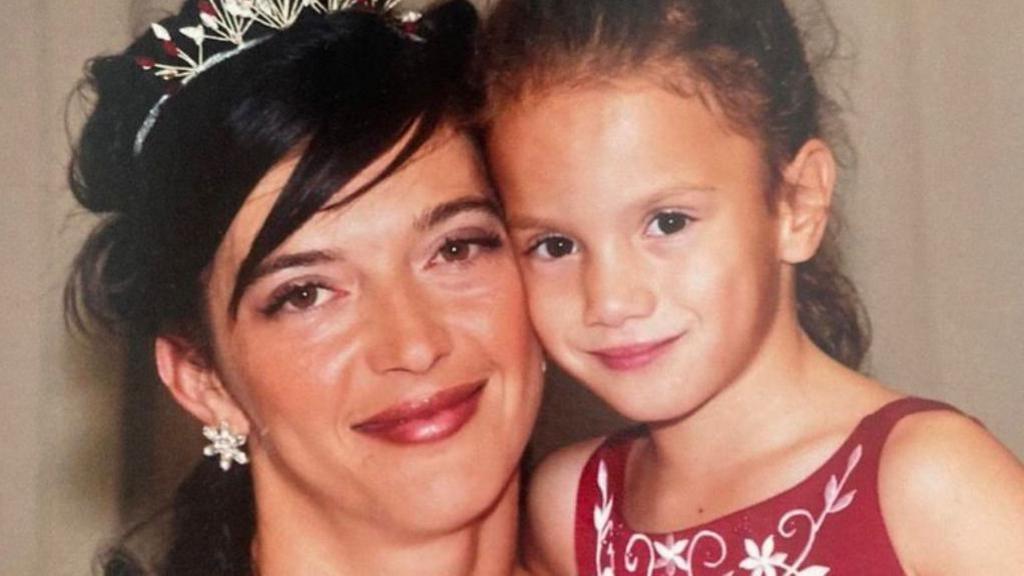 Image source, Brooklyn Bryan
Brooklyn said she remembered her mum as a "kind and caring person" who would go "above and beyond for anybody"
"Before she passed, she contacted a solicitor," added Brooklyn.
"She wanted justice - not just for herself, but to stop anyone else going through the same thing."
The 26-year-old said her world "turned upside down" when she found out her mum had incurable cancer.
Brooklyn said after looking back through her mum's life, they began to believe she was exposed to asbestos at her old high school, the old Fitzalan site in Cardiff.
The family's legal team helped to uncover council documents which they say show asbestos was used "quite extensively" at the site during Caroline's time there in the 1990s.
"Mum mentioned that the building wasn't in good condition," said Brooklyn.
 Image source, Brooklyn Bryan
Caroline was 45 years old when she noticed she was having breathing difficulties
"Things like ceiling tiles were broken. There was dust and debris when things were disturbed, though at the time she didn't know what it was."
Caroline had only gone to the doctors because she'd noticed a shortness of breath. In her mid 40s, she was far younger than most mesothelioma patients.
Doctors had initially told Caroline she could have a few years left – but she passed away just three months after her diagnosis, aged 46.
"I was 23," said Brooklyn.
"Suddenly, I had to take over everything—running the house, paying bills, cooking, cleaning. She had always looked after me, so I wasn't used to doing those things. I was essentially forced into adulthood overnight. It was very difficult.
"Losing your mum, who is your main support system, at that age is incredibly hard. Now she's gone, I feel I have to continue this [fight] for her."
Caroline's family are bringing a High Court claim against Cardiff council over her death, with the case set to be heard in early 2027.
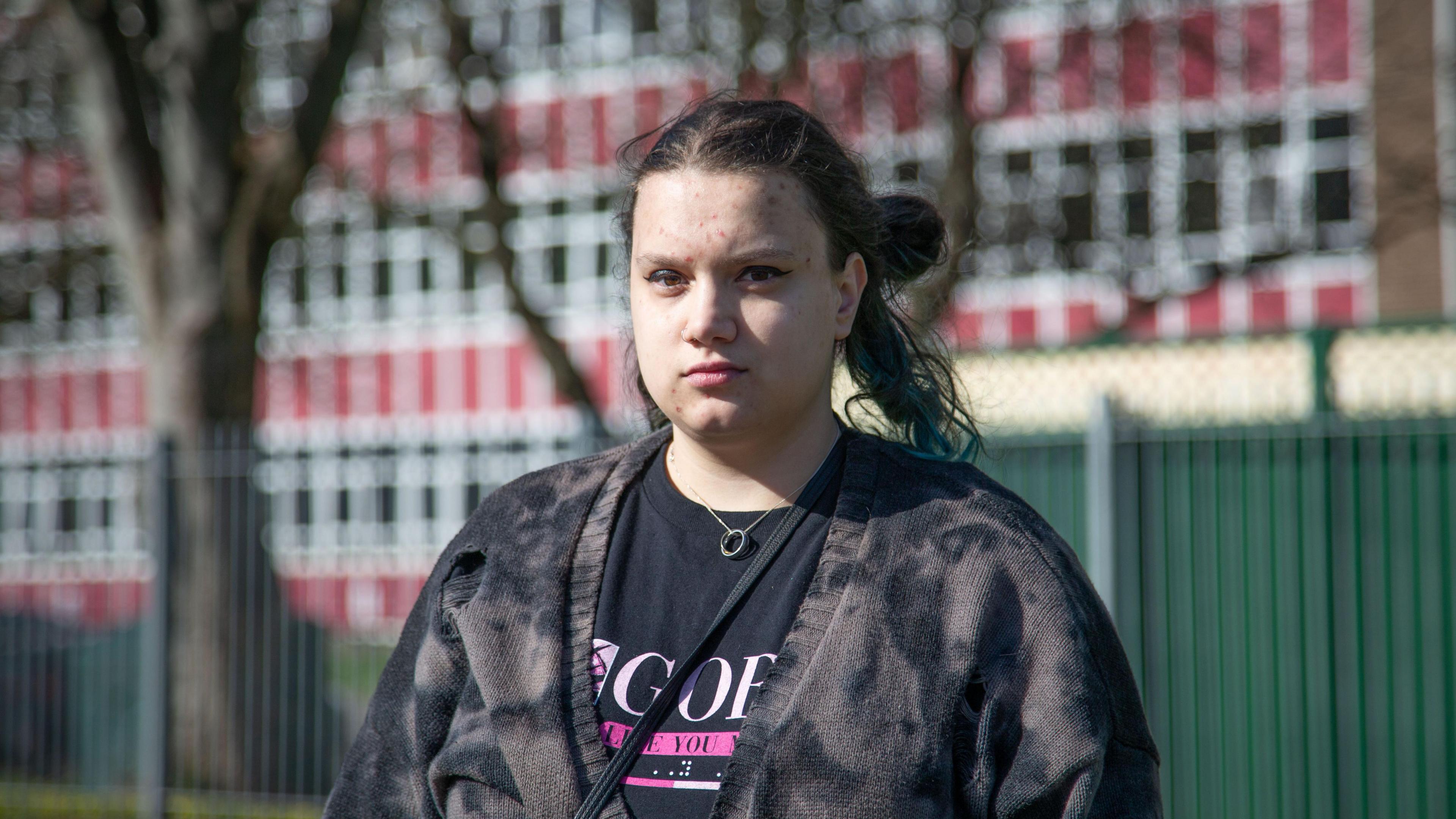
Brooklyn Bryan believes her mum was exposed to asbestos as a teenager at secondary school
"The council's own documents show that asbestos was used quite extensively in that school," said Phillip Gower from Redkite Solicitors, who are representing the family.
"The buildings were in pretty poor condition, with damage to the walls around the doors, the floor tiles, the ceiling tiles."
Cardiff Council said it would "not be appropriate" to comment on Caroline's case but it recognised the "devastating impact" of mesothelioma on patients and families.
"We would like to reassure parents, staff and the wider public that the management of asbestos in Cardiff council buildings, including schools, is taken extremely seriously," added a spokesperson.
Many primary and secondary schools were built using asbestos, a common building material until its dangers became clear and it was banned in the UK in 1999.
Most schools still contain some asbestos and authorities must regularly inspect it to check it has not been damaged and at risk of releasing tiny fibres into the air, which can cause cancers like mesothelioma.
A Freedom of Information request by BBC Wales suggested more than three quarters of schools in Wales still contained asbestos.
Responses from 20 of Wales' 22 local authorities showed 76% of primary schools and 81% of secondary schools had asbestos containing materials (ACMs).
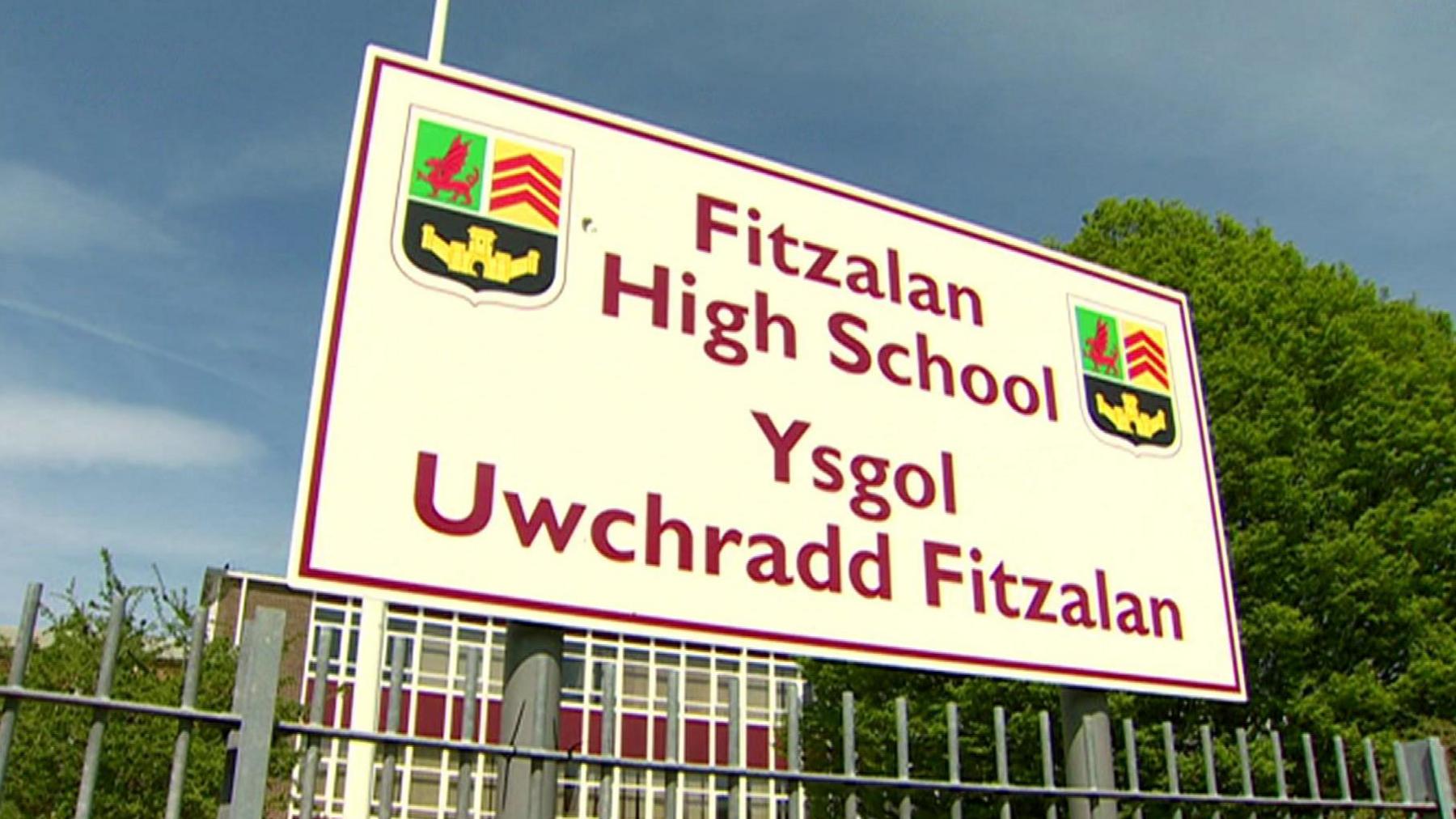
Fitzalan High School pupils were taught at the same site Caroline attended from 1964 until the 1,800-pupil school moved to new premises in 2023
Mesothelioma is the 20th most common type of cancer in the UK, responsible for 2,200 deaths per year, according to Cancer Research UK.
It can develop from a single asbestos fibre lodged in the lungs, often unknowingly breathed in many decades earlier.
It is more common in men, particularly those who have worked in heavy industry or trades where they would have regular contact with asbestos. Most deaths from the disease happen when people are in their 80s.
However, an epidemiologist who has spent decades studying mesothelioma rates, said there were two "concerning epidemiological observations" coming from more recent data.
"First, the number of mesothelioma cases per year [in people] under the age of 40 in Britain has increased over the last 5 or 6 years - it' increased from 2.5 cases per year to 5 cases per year," said Professor Julian Peto.
"The second thing is that there is a slightly but significantly increased mesothelioma risk in female teachers."
Peto said the findings were "not conclusive" but did "raise concern".
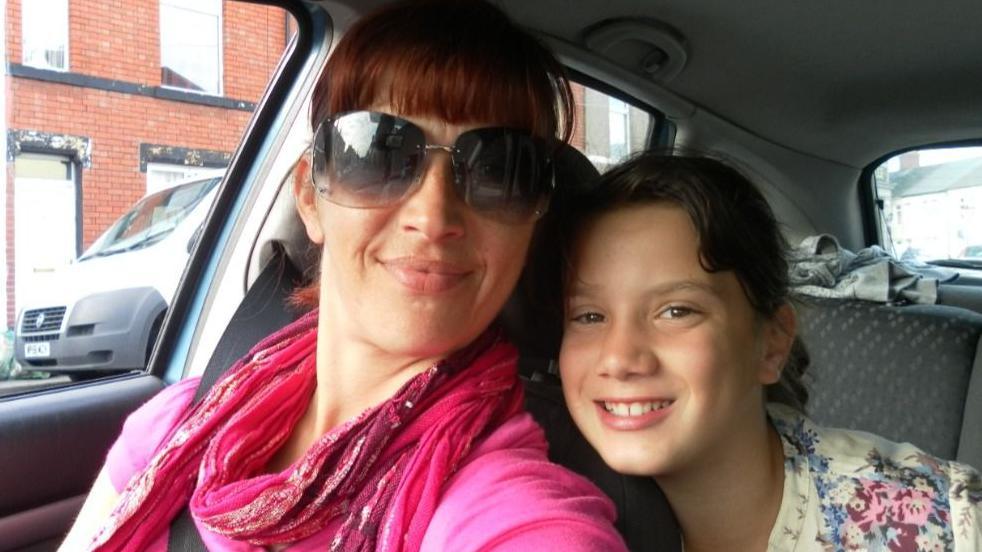 Image source, Brooklyn Bryan
Brooklyn Bryan said her mum Caroline could make "any situation better" when she was growing up
He said there were two likely causes. Either the removal of large amounts of asbestos in schools in the 1980s had accidentally exposed more people to its dangerous fibres – or asbestos in the buildings was deteriorating and releasing more fibres over time, exposing to later generations of pupils and teachers.
Peto said more data was needed to see what was happening – but depending on the answer it could mean more asbestos needs to be removed from schools or that removing it could be the very thing causing the exposure.
Often, when someone is diagnosed with mesothelioma they are given a list of solicitors to contact by medical staff so they can look into whether they are due compensation.
"We are now seeing more women, most of whom cannot readily identify where they could have been exposed to asbestos," said Richard Green from Hugh James Solicitors.
"What we are also starting to see is a number of younger people who are suffering with mesothelioma. In the last 12 months or so, we've definitely seen an increase in the number of people coming forward who are under 50."
Green, a partner in the firm's asbestos litigation team, said they'd seen three mesothelioma clients under 40 years old in the past few months – but that it was still exceptionally rare to see anyone under 50 with the disease.
He said until around a decade ago most cases were men who'd spent their carers working with asbestos – but his firm now considers claims from people who believe they were exposed in schools, either as teachers or pupils.
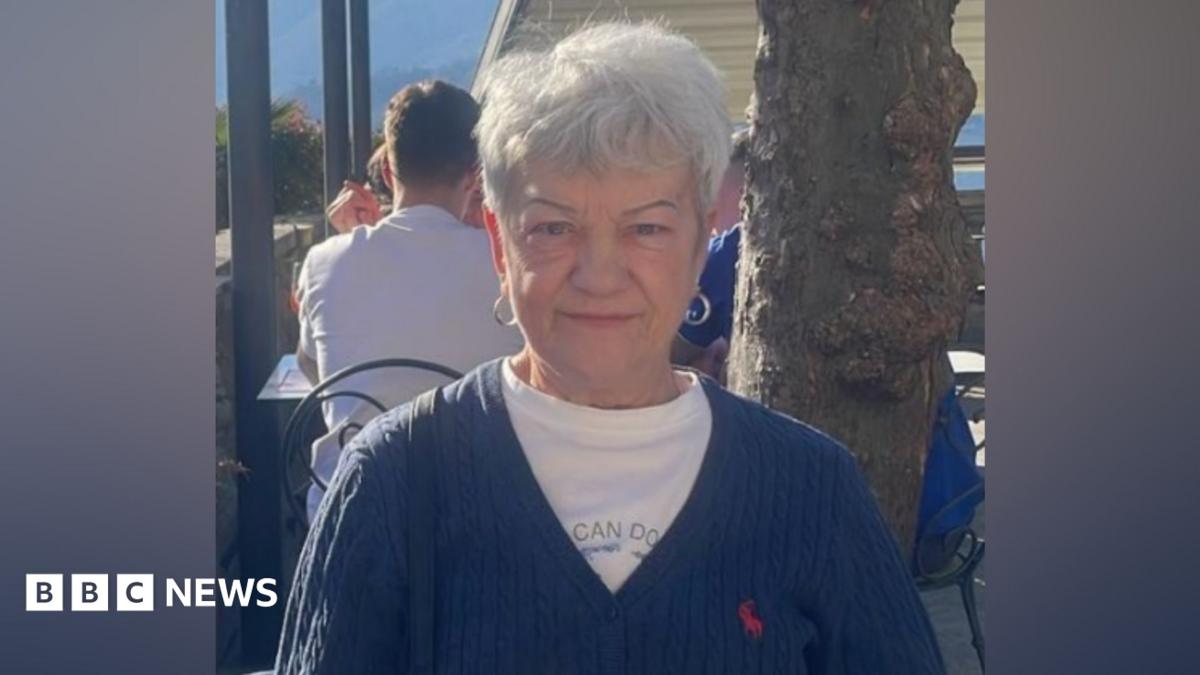
Helen Wilson said it was "devastating" to hear her sister Linda Langhelt had been diagnosed with mesothelioma.
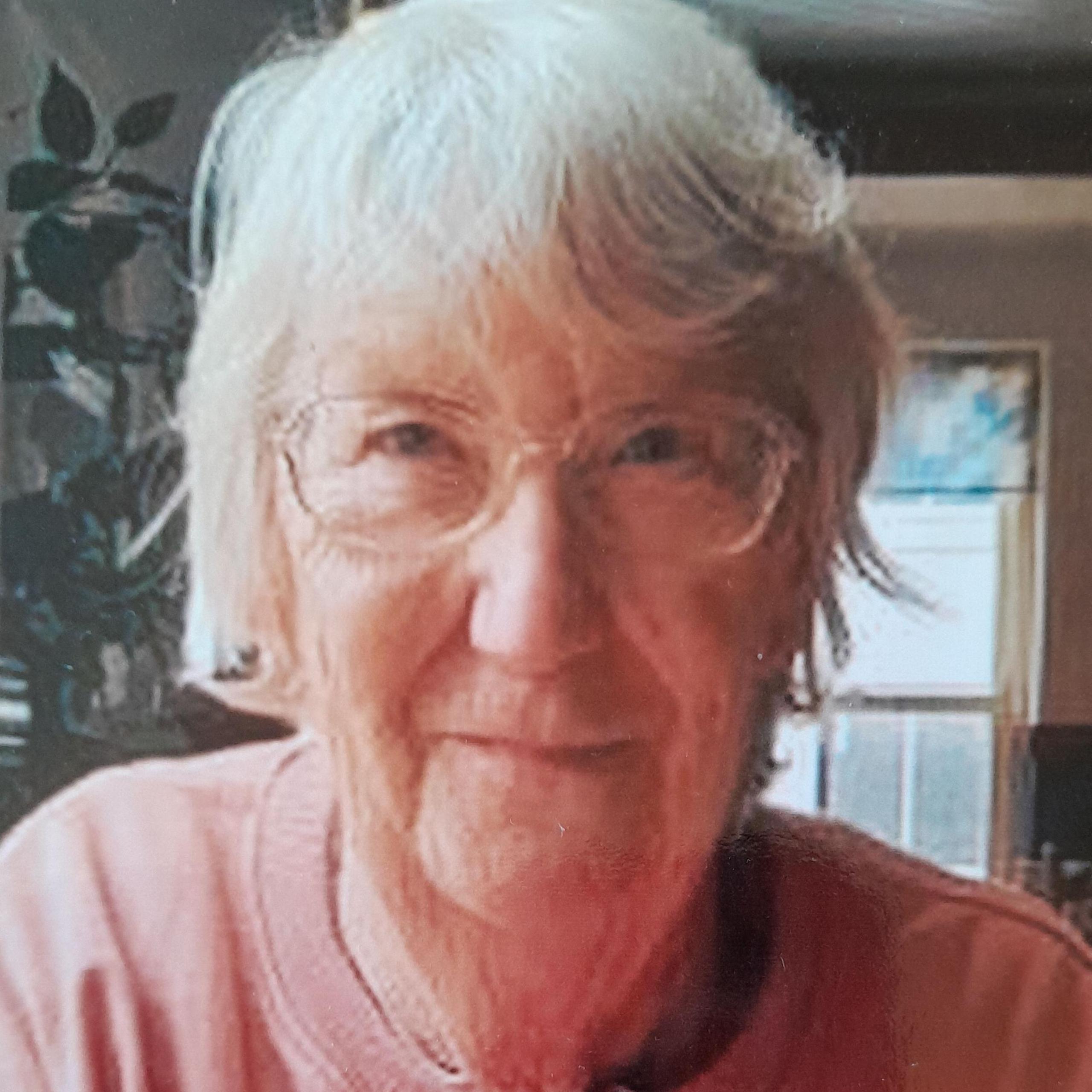 Image source, Helen Wilson
Linda Langhelt's family believe she could have been exposed to asbestos while working as a teacher, decades before her death from cancer
The retired science teacher, who spent her career working in Cardiff and Essex, had gone to see her GP about a shortness of breath thinking it could be "heart problems" before being given her diagnosis.
"The hospital said she could have contracted it 20 or 30 years before," said her younger sister Helen.
"The horrible thing about mesothelioma is that you haven't a clue that you've got it until it's too late."
Helen said that as a biology teacher, Linda knew exactly what her diagnosis meant – but stayed "stoic" until the end.
She died aged 82, 18 months after finding out about her mesothelioma.
"Every one of us has been in buildings from time to time that have asbestos in them," said Helen.
The Welsh Government said the safety of pupils and staff was of "paramount importance".
"We continue to support local authorities through investment in school buildings, practical guidance and close collaboration with the Health and Safety Executive and Ystadau Cymru to ensure schools remain safe, modern and fit for purpose," said a spokesperson.
Cardiff Council added that it had "robust and well-established" plans to manage asbestos in its buildings.
"Council buildings are surveyed, asbestos records are maintained and regularly reviewed, and checks are carried out to monitor the condition of any known asbestos-containing materials," said a spokesperson.
"We remain committed to providing safe environments for pupils, staff and visitors and will continue to manage asbestos in accordance with all current legal requirements and recognised best practice."
Get in touch
Have you been affected by issues raised in this story?