
 7 months ago
38
7 months ago
38

Simon Jonesand Rachel Muller Heyndyk

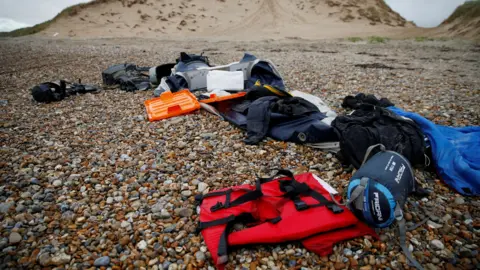 Reuters
The deaths of at least 30 people who drowned while attempting to cross the English Channel in 2021 could have been prevented, an inquiry has found.
The dinghy they were travelling on became swamped and capsized in the early hours of 24 November 2021, in what became the deadliest Channel small boat incident on record.
Only two people survived, and were found almost 12 hours after they called for help.
The inquiry chair Sir Ross Cranston pointed to missed opportunities and poor resourcing, and said there had been a "significant, systemic failure on the part of government".
Sir Ross's report said HM Coastguard in Dover was placed in an "intolerable position", with chronic staff shortages and limited capacity leaving them unable to rescue victims.
A surveillance aircraft that should have provided critical intelligence on the number of crossings never launched due to poor weather conditions - and there was no contingency plan, the inquiry found.
It was also found that calls and messages from the vessel were missed or not followed up, and search assets were not briefed on the possibility that a dinghy was sinking or that there were people in the water.
There was also a widely-held belief that migrants calling from small boats exaggerated the distress, meaning the Coastguard underestimated the emergency.
The inquiry said that the deaths could have been prevented, and pointed to three fatal errors: people smugglers overloading the boats, the slow response of French Naval vessel, Flamant, and flaws in the Coastguard's search and rescue operations.
Survivors, and the victims' families gave testimonies in the inquiry having waited over two years for the inquiry to start in March 2024.


