3 weeks ago
25
3 weeks ago
25

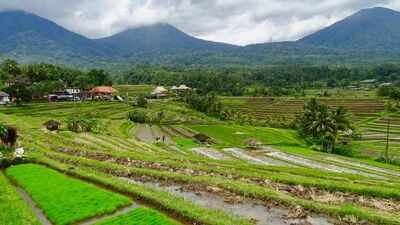
Rice fields in Bali (Image Credit: Canva)
For centuries, Bali's iconic terraced rice fields did much more than produce food. They formed part of an ingenious irrigation network that distributed water across the island, sustained farming communities and helped maintain ecological balance.
Today, however, that centuries-old system is under increasing pressure. As tourism expands and urban development accelerates, thousands of hectares of rice fields have disappeared, groundwater is becoming harder to access and many communities are now paying for water that was once naturally available.
A centuries-old water system under pressure
At the heart of Bali's agricultural heritage is the subak irrigation system, a community-managed network believed to have operated for more than 1,000 years. Recognised by UNESCO as a World Heritage cultural landscape in 2012, the system is based on cooperation rather than competition.
Water flowing from the island's volcanic mountains is channelled through canals, tunnels and small dams before reaching rice terraces across different villages. Unlike modern irrigation systems controlled by a single authority, the subak relies on local farmers working together to decide when and how water should be shared. This collective management has helped balance agricultural production with environmental conservation for generations.
The rice terraces also perform another very important but often overlooked function. Their flooded fields allow rainwater to gradually seep into the ground, naturally replenishing underground aquifers. These underground water reserves feed springs, rivers and wells that communities depend on throughout the year.In many ways, the rice fields have functioned as one giant natural water-storage system, helping regulate the island's water cycle while reducing the risk of floods and droughts.
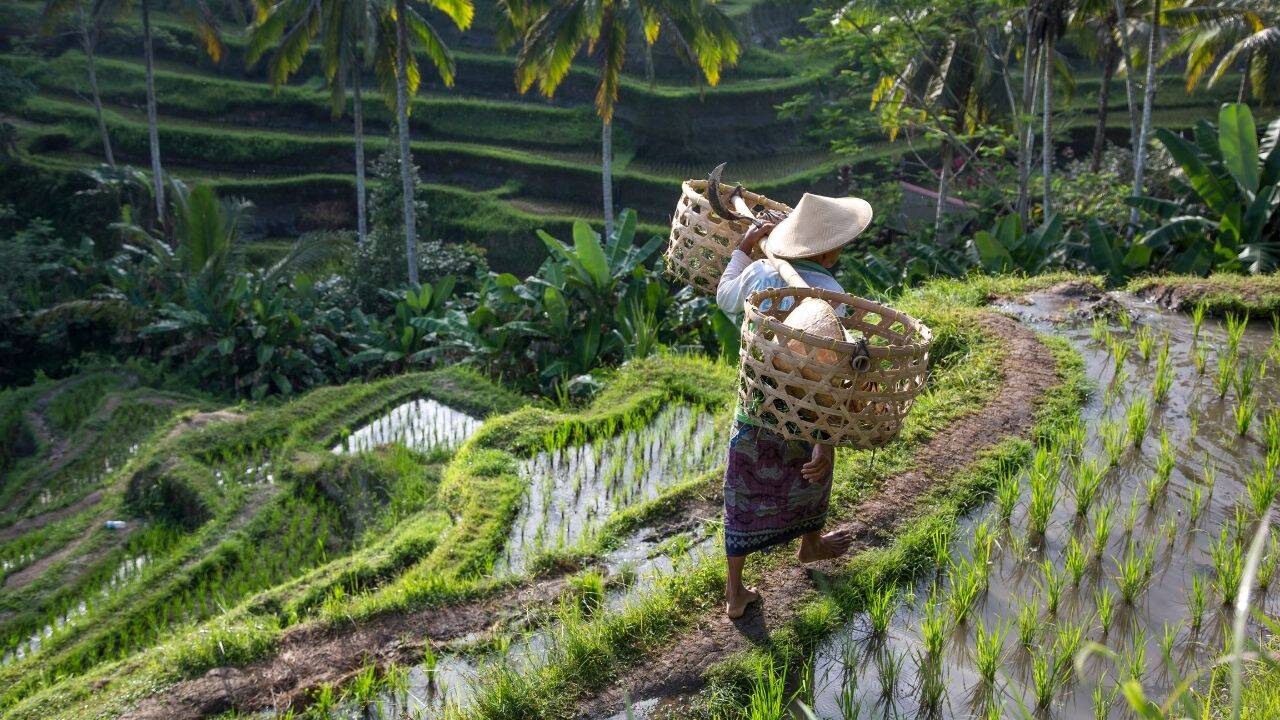
Balinese rice field worker on rice field (Image Credit: Canva)
Tourism and development are changing the landscape
It is over the last few decades that Bali has become one of the world's favourite tourist destinations. The large number of tourists coming every year has resulted in an increased need for hotels, villas, resorts, and restaurants among other things that form part of tourism infrastructure. Large areas of agricultural land have been converted into residential and commercial developments. As rice fields disappear, the island loses not only farmland but also the natural surfaces that absorb and store rainwater. According to Bali's National Land Agency, nearly 6,500 hectares of rice fields have disappeared over the past five years, shrinking the island's natural capacity to replenish groundwater. At the same time, the rapid expansion of hotels, luxury villas, swimming pools and other tourism facilities has sharply increased the demand for fresh water.According to a 2018 report by the Transnational Institute, Bali had already lost nearly a quarter of its agricultural land over the previous 25 years, while tourism had expanded by 330%.This growing demand has led to increased groundwater extraction in several parts of the island. As more water is pumped from underground aquifers than nature can replace, water tables begin to fall. Wells that once supplied nearby communities may run dry or produce less water, forcing residents to purchase water delivered by tankers or seek alternative sources.The effects extend beyond farming. Lower groundwater levels can affect household water supplies, local ecosystems and even increase the risk of saltwater intrusion in coastal areas where seawater enters depleted freshwater aquifers.
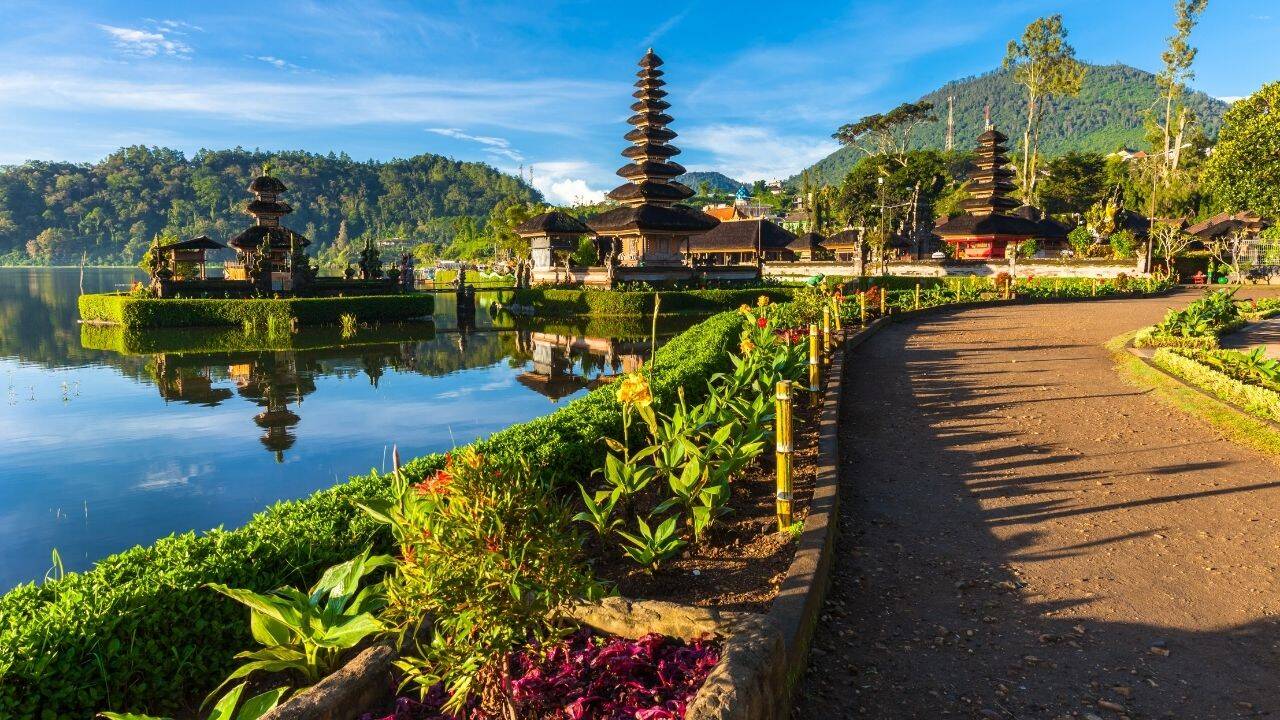
Image Credit: Canva
Why preserving Bali's rice fields matters
The loss of Bali's rice terraces is not simply an agricultural issue; it is also an environmental, cultural and economic challenge. Rice farming remains an important source of livelihood for many rural communities. As farmland shrinks, farmers often face declining incomes and increasing pressure to sell their land for development. Once converted into buildings, these landscapes are difficult to restore to productive farmland.
The disappearance of rice terraces also threatens the subak system itself. Since the irrigation network depends on interconnected fields and cooperative water management, losing sections of farmland disrupts the entire system. Fewer participating farmers make it harder to maintain canals, coordinate water distribution and preserve traditional knowledge that has been passed down through generations.Environmental experts warn that protecting agricultural landscapes can greatly contribute to enhancing water security.
Productive rice terraces, forests and wetlands are beneficial because they help collect rainwater and replenish underground waters. In addition, such conservation of natural resources is always preferable to any other measures which aim at overcoming water shortages.Striking a balance between economic growth and environmental conservation continues to be one of the greatest challenges facing the Balinese people.
Tourism will continue to be a critical pillar of the island's economy. However, future tourism development on the island must be planned so it does not harm the very environment that forms the industry's backbone.Rice terraces are not just the picturesque landscape of Bali; they are an intricate water management system that has helped support communities for centuries. Preserving the few remaining terraces may turn out to be critical for the cultural legacy of the islanders but also for their water future.