2 hours ago
1
2 hours ago
1

Natalie ShermanBusiness reporter

 Getty Images
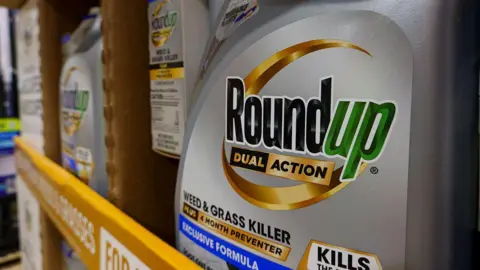
Bayer, the German bio-tech giant, has proposed paying $7.25bn (£5.35bn) to definitively resolve a legal battle in the US over whether its Roundup weedkiller causes cancer.
The possible settlement is part of a broader push to secure closure over the claims, which have weighed on the company since it bought Monsanto, the American-maker of the widely used but controversial herbicide.
Bayer has already paid roughly $10bn to resolve litigation related to Roundup.
The company, which maintains that the product is safe, said the latest settlement had support from several key plaintiffs' groups. It would need approval by a judge to move forward.
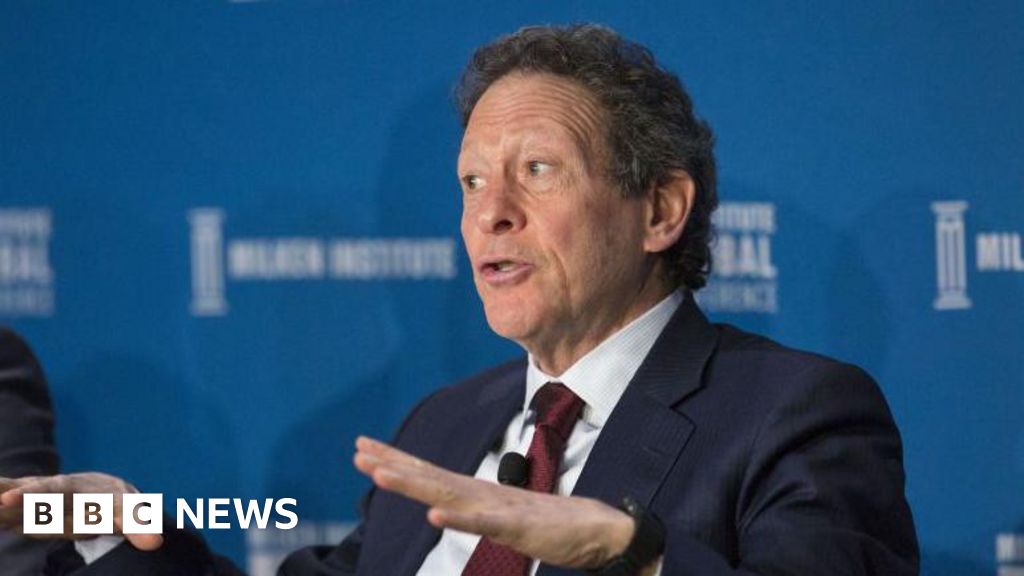
Bill Anderson, chief executive of Bayer, which bought Monsanto eight years ago for $63bn, said he expected the vast majority of people with pending claims to sign onto the new proposed settlement. It relates to patients with non-Hodgkin lymphoma, a kind of blood cancer.
"This doesn't work unless there is closure," he said.
Roundup was developed by Monsanto in the 1970s. Its active ingredient is glyphosate, which the International Agency for Research on Cancer, a unit of the World Health Organization, identified in 2015 as a probable human carcinogen.
Bayer and some other regulators, including the US Environmental Protection Agency, have disputed those findings.
But the issue has forced the company through years of costly litigation in the US, as juries in several states opt to award billions of dollars to users of the herbicide.
Bayer, which said it has so far resolved more than 130,000 claims, is still facing an additional 65,000 as well as a risk that others could emerge in the years ahead, due to how long it can take for the cancer to develop.
Under the terms of the proposal, anyone exposed to Roundup before 17 February this year and diagnosed with non-Hodgkin lymphona within 16 years is eligible for payment.
Unlike a prior 2020 settlement, this deal would address both existing and future claims related to the development of non-Hodgkins lymphoma.
The company said it would make payments over 21 years, with the bulk of the payouts expected in the first five years.
Bayer also said it expected to pay another $3bn in separate RoundUp cases, including from several states in the US over its relationship to forever chemicals.
The proposal was announced as the company hopes for a victory before the Supreme Court in a separate but related case.
In a question-and-answer session about the deal, Anderson declined to speculate on whether the proposed settlement for non-Hodgkin lymphoma patients would more forward if the company were to lose the Supreme Court case.
That case is focused on whether approval of Roundup by federal regulators can shield the firm from responsibility for more stringent state laws requiring warning labels.
Late last year, the Trump administration filed a brief siding with the company. The move boosted the company's share price, an indication that investors saw it increasing the likelihood that the case would go the company's way.