58 minutes ago
4
58 minutes ago
4

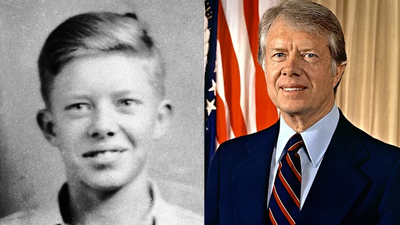
Image: Left/Carter in 1932; at age 7/Right/Official portrait, 1977/Wikipedia
Well before he took office as the 39th president of the United States, Jimmy Carter spent many years on a Georgia farm, where mornings were usually before the break of dawn. Carter grew up in the small community of Archery, close to Plains, where he participated in activities such as planting, tending animals and undertaking chores that are characteristic of the rural environment.
According to the National Park Service, today, the Jimmy Carter Boyhood Farm forms part of Jimmy Carter National Historical Park, where the landscape and buildings of his childhood are preserved. The site offers visitors a glimpse into the rural world that shaped Carter before his political career began.
How did Jimmy Carter grow up on the Georgia farm
Carter moved to his family’s farm in Archery at age four and lived there until he left for college in 1941. His father, Earl Carter, farmed cotton, peanuts, corn and sugar cane, while the family maintained a garden and raised livestock.
Jimmy became accustomed to farm work from an early age, helping with crops, animals and household responsibilities. His days could begin before daylight, when he joined other workers to feed animals and prepare for the day’s labour.
The farm had no electricity until 1938, meaning much of the family’s routine depended on manual work and daylight. Those years gave Carter an early understanding of agriculture, responsibility and rural community life.
What kind of work did young Jimmy Carter do?
Farm chores occupied a significant part of Carter’s childhood. He helped hoe fields, pick cotton, stack peanuts and care for livestock, learning practical skills through everyday work. He also found ways to earn money. As a young boy, Carter sold boiled peanuts in Plains, sometimes waking early on Saturdays before completing farm work and walking along the railroad tracks into town. Other chores included gathering eggs, carrying water, collecting firewood and tending animals.
The work was demanding, but it also gave him practical knowledge of farming and the rhythms of rural life. Carter’s childhood was therefore shaped not by an occasional connection to agriculture, but by daily participation in it.
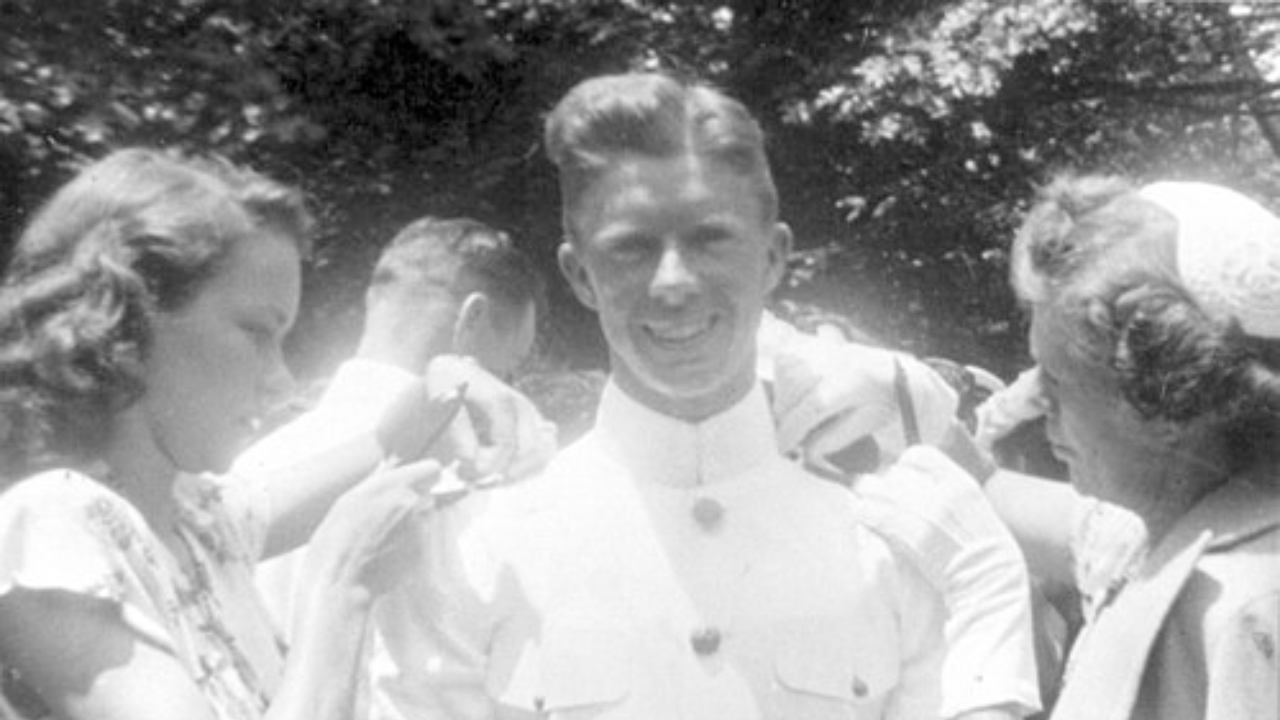
Carter with Rosalynn Smith and his mother at his graduation from the United States Naval Academy in Annapolis, Maryland, June 5, 1946 (Image: Wikipedia)
When did the farm become part of the National Historical Park?
The Carter family farm eventually became a protected historic landscape. The National Park Service acquired part of the original property, and the Boyhood Farm became an integral part of Jimmy Carter National Historical Park in 2000.
Restoration work recreated the appearance of the farm before electricity was installed in 1938, helping visitors understand the conditions in which Carter grew up. Crops associated with the family’s agricultural life, including peanuts, cotton, corn and sugar cane, continue to feature at the site.
Farm animals and historic buildings further reinforce the connection between the preserved landscape and Carter’s childhood.
Rather than simply displaying a presidential birthplace, the park recreates the working environment that shaped him.
Why is Jimmy Carter’s boyhood farm still being preserved today?
The farm represents a side of Carter’s life that existed decades before he entered politics. Its preservation keeps alive the agricultural landscape, working routines and community surroundings that influenced his understanding of responsibility and stewardship. The park’s story is also continuing under new leadership. In a July 24, 2026 announcement, the National Park Service credited Karen Barry as the new superintendent of Jimmy Carter National Historical Park, noting her more than two decades of experience and her role in major preservation milestones, including the rehabilitation and opening of Carter’s Boyhood Home.
The announcement described the park as moving towards preserving a legacy for future generations, ensuring that the places that shaped Carter remain accessible.