5 months ago
21
5 months ago
21

Andrew PickenBBC Scotland

 NHS Lothian & NHS Greater Glasgow and Clyde
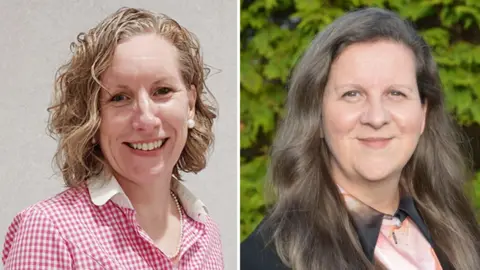
Prof Caroline Hiscox (left) is the chief executive of NHS Lothian while Jann Gardner (right) has the same role at NHS Greater Glasgow and Clyde - both earn up to £200,000 a year
Bosses at two under-fire health boards have banked temporary 10% pay increases for spearheading a planned shakeup of Scotland's health service.
Executives at NHS Lothian and NHS Greater Glasgow and Clyde were handed rises worth up to £20,000 per year for leading a project to get health boards to improve services.
Unions have criticised the move, claiming thousands of frontline NHS staff are regularly taking on more responsibility without extra pay.
The Scottish government said it was reviewing the matter and would provide further details in due course.
What are the pay rises for?
The Scottish government wants the country's 14 health board to work closer together in the coming years to tackle longstanding problems like waiting time and treatment delays.
Ministers have said boards' geographical boundaries and accountabilities will remain but they have been split into west and east subnational planning and delivery committees (SPDC) for the initiative.
Detail about how SPDCs will work and be scrutinised is limited but the chief executives and chairpersons of NHS Lothian and NHS Greater Glasgow and Clyde are in charge of setting it up - they have been given 10% pay increases and time away from their regular roles to do so.
The latest NHS Greater Glasgow and Clyde accounts show its chief executive Jann Gardner earns an annual salary of between £195,000 and £200,000.
The board's chairwoman Dr Lesley Thomson KC earns an annual salary of between £55,000 and £60,000.
The latest NHS Lothian accounts show its chief executive Prof Caroline Hiscox earns an annual salary of between £195,000 and £200,000.
Prof John Connaghan, the board's chairman, earns between £50,000 and £55,000.
Both boards confirmed a 10% salary uplift was in place for these people under NHS Scotland guidance for remunerating those undertaking temporary, additional responsibilities outwith their own health board.
 Getty Images
Initial estimates suggest the executives will take on the extra responsibilities for between nine and 12 months while the longer-term requirements are reviewed.
It is not clear how much time the committee roles are taking up for the senior executives.
More appointments to the SPDC, such as medical and finance directors, are to be made from the ranks of existing boards with similar temporary salary increases expected for these roles.
NHS board papers suggest these director level roles could take up to three days a week but the final detail is still being considered.
Unison's head of health, Matt McLaughlin, said: "There are thousands of NHS workers across Scotland taking on extra work and responsibility for little thanks and no pay.
"This news will feel like a real slap in the face for hard working NHS staff and patients who are being let down daily by the very same people who have awarded themselves big bonuses.
"[Health Secretary] Neil Gray needs to step in now and end this unfairness."
Colin Poolman, executive director of the Royal College of Nursing Scotland, added: "Just last month we reported that many of our members are working over their contracted hours every week without being paid for this extra work.
"To hear that senior executives are apparently being paid more to dedicate less time to resolving local challenges will only demoralise frontline staff further, particularly given the lack of clarity around the role of these subnational planning and delivery committees.
"Scottish government must address this now and be open and transparent with hard working NHS staff about this subnational approach and the implications for frontline services."