7 hours ago
3
7 hours ago
3

Chris MasonPolitical editor

 Getty Images
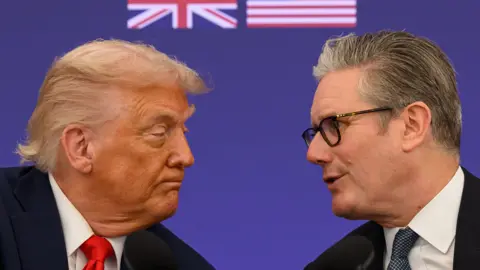
The UK has stopped short of endorsing the strikes on Iran by Israel and the US
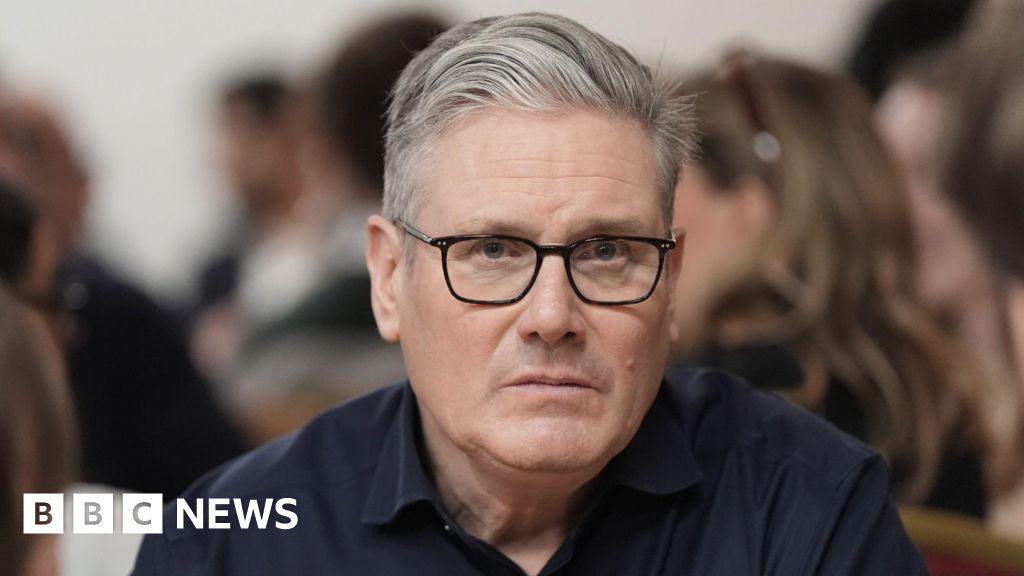
The phone call between US President Donald Trump and Prime Minister Sir Keir Starmer was brief, I am told, and was instigated by the White House.
Downing Street's public account of what was discussed was, to put it gently, rather broad: "They discussed the situation in the Middle East," the readout said.
In so doing, it glossed over the simple truth: the UK, alongside France and Germany, were neither involved in any way in America and Israel's actions, nor have they endorsed them.
Sir Keir has repeated his long-standing condemnation of Iran and, in particular, its retaliatory actions this weekend against Israel and several Gulf nations which host US military bases. He was careful to emphasise that the British warplanes airborne in the region are there in a defensive capacity, within international law – in other words offering protection for allies who are facing attacks from Iran.
The domestic political reaction to the government's stance has divided more or less along right and left lines.
The Conservatives and Reform UK accuse Sir Keir of sitting on the fence and failing to offer adequate support to America, for instance by making British bases available to the US Airforce.
The Liberal Democrats and the Scottish National Party have made their scepticism about President Trump's actions clear.
Speaking to folk in government, there is clearly huge concern about the many British people in the Middle East and the many more who are travelling or due to travel through the big hub airports in the region.
The Foreign Office has set up its "Register Your Presence" system for Britons in many Middle Eastern countries, so the government here knows where its citizens are and can keep in touch.
There is also a worry about the economic impact of blockages to the Strait of Hormuz – a vital artery of world trade and oil shipments which sits below Iran. What could it mean for inflation, interest rates, the cost of fuel?
In short, after an extraordinarily turbulent start to 2026 – militarily and diplomatically on the international stage (think Venezuela and Greenland, for instance) and domestically for the government (the Epstein files and Lord Mandelson plus that moment of intense political vulnerability for the Prime Minister) – this is perhaps the biggest moment yet, with huge and not entirely knowable potential consequences.