.png) 50 minutes ago
1
50 minutes ago
1

Saifulasmee Chede | Istock | Getty Images
Hello, this is Justina Lee writing to you from Singapore. Welcome to another edition of CNBC's Daily Open.
A social media frenzy about AI having the ability to "kill all humans" has brought U.S. AI tech giants together to discuss safety issues and the prospect of slowing down the progress of model developments. However, U.S. President Donald Trump was not happy about the AI discussion, saying that "The only control or 'guardrails' that AI needs is a STRONG AND SMART (High IQ!) PRESIDENT, and the U.S.A. has that, in spades!"
Meanwhile, the financial costs of the Middle East conflict continues to rise, with the U.S. nonpartisan Congressional Budget Office estimating another $2-3 billion being spent for each additional month of fighting.
What you need to know today
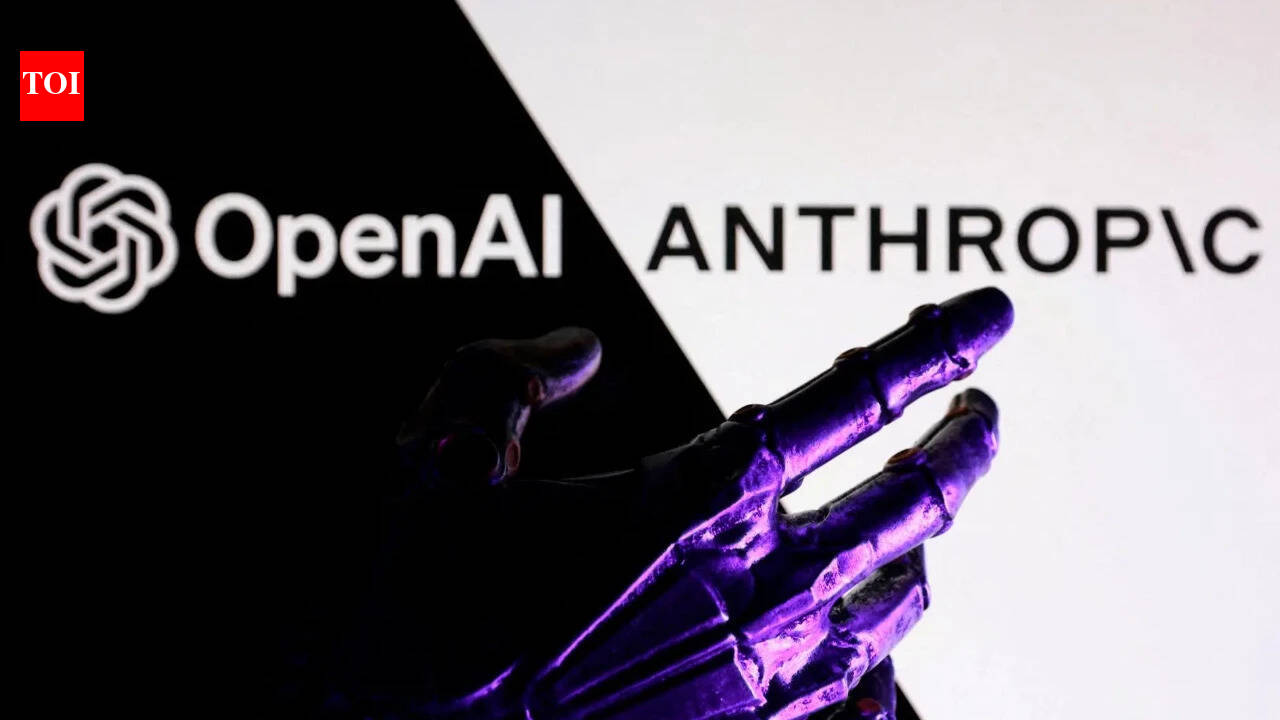
U.S. AI giants like OpenAI, Anthropic and Google are now banding together to discuss safety issues, shortly after a researcher set off a social media frenzy saying that AI has more than 10% chance to "kill all humans."
While these AI behemoths are fierce competitors, they have been facing intense pressure in recent weeks to address growing AI safety and security concerns. Discussions have been ongoing since Demis Hassabis, the chair of Google DeepMind, released a proposal in July calling for a U.S.-led "Standards Body," a spokesperson told CNBC.
Salesforce CEO Marc Benioff also joined in the call to warn about the risks, urging the AI industry to act responsibly.
However, Trump expressed his dissatisfaction via a series of social media posts, blasting AI leaders who are calling for a slowdown in development of AI models. His administration has taken the stance that anything that impedes AI development in the U.S. is to the benefit of chief adversary China.
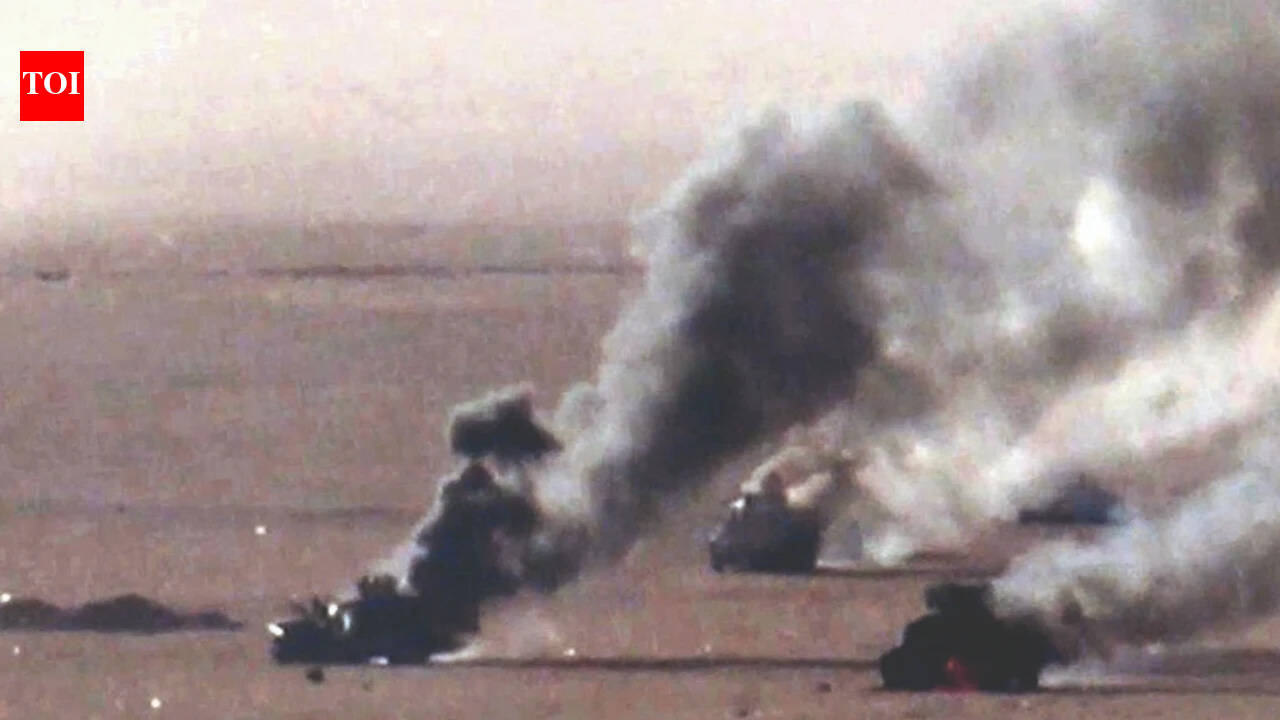
Over in the Middle East, Saudi Arabia's critical East-West crude oil pipeline is in the spotlight after it was forced to close by Iran-backed attacks. U.S. Energy Secretary Chris Wright told CNBC in an interview on Tuesday that the closure is a brief interruption that will last days.
However, Andy Lipow, president of Lipow Oil Associates, said in a note on Monday that "judging from the on-line pictures, it will take months to repair."
The financial cost of the Middle East conflict is also being closely watched. According to a report released Tuesday by the nonpartisan Congressional Budget Office, the U.S. war with Iran has cost the Pentagon an estimated $38.1 billion through Aug. 1 and could lead to another $2 billion to $3 billion being spent for each additional month of fighting.
In U.S. markets, equity futures were little changed on Tuesday evening ahead of a pivotal interest rate decision from the Federal Reserve. The Dow Jones Industrial Average lost 0.63%, the S&P 500 fell 0.45% and the Nasdaq Composite dropped 0.78%. Over in the Asia-Pacific, markets closed largely in the red on Tuesday.
—Justina Lee
And finally...
10-year Treasury yield hits highest level since 2007 as traders bet a Fed rate hike is coming
The benchmark 10-year Treasury yield climbed to its highest levels in 19 years on Tuesday as oil prices surge from the Iran conflict and expectations grow that the Federal Reserve will raise interest rates on Wednesday. The rate milestone could ripple through the economy as the 10-year yield is a benchmark for consumers loans and corporate funding.
The move comes at the start of the Fed's two-day policy meeting, with markets pricing in higher chances of a quarter-point rate hike when the meeting concludes Wednesday after August inflation remained well above the central bank's 2% target. Traders are pricing in a more than 94% chance that the Fed will raise rates by 25 basis points in its latest meeting, according to the CME FedWatch tool.
—Lee Ying Shan, Sean Conlon