2 months ago
49
2 months ago
49

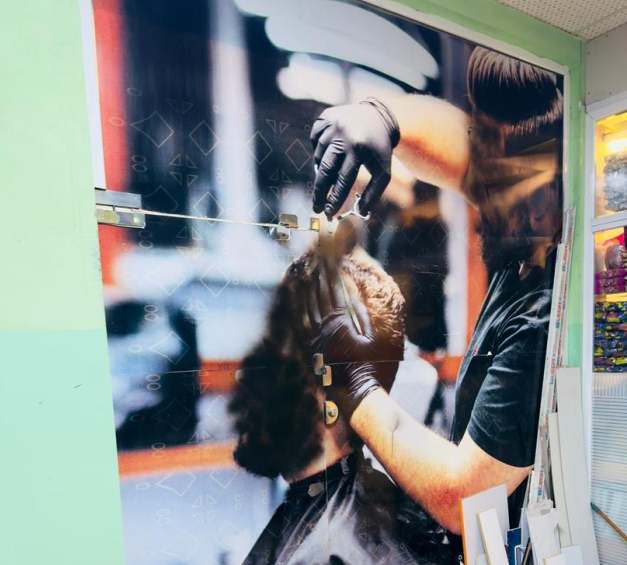 The new rules and increased surveillance of barbershops changed the way the profession could be practiced. Credit: Learning Together.
KABUL, July 7 (IPS) - Kabul barber Ahmed (name changed) used to keep a collection of pictures of different hairstyles on his phone. He would show them to his customers before cutting their hair so they could choose the style they liked. Some young men would bring their own pictures, and Ahmed would cut their hair according to their wishes. The business was particularly busy a few days before Eid.
Not anymore.
“Before the festival, I was in the shop day and night and hardly ever went home. The shop was never empty. Now things are completely different. I don’t open until ten or eleven in the morning and go home at four or five in the afternoon. I just go to work to pass the time and get through the day,” Ahmed says.
In Afghanistan, and especially in its capital, Kabul, men’s hair salons and barbershops have traditionally been about more than just getting hair and beards trimmed. They have provided opportunities for men and young people to gather, drink tea and chat. In recent years, modern hairstyles and beard trends had become popular, with barbers drawing inspiration from social media and global fashion trends.
When the Taliban took power in Afghanistan in August 2021, many everyday activities were restricted. The changes also had a significant impact on the operations of men’s hair salons.
In September of that year, the Taliban announced in some cities, especially Kabul, that cutting men’s beards was prohibited. Providing such services to men would now be against Sharia law.
The new rules and increased surveillance of barbershops changed the way the profession could be practiced. The restrictions reduced the range of services and created a climate of uncertainty among barbers. The effects of these changes quickly became visible in the everyday lives of both barbers and customers.
Ahmed is not only the owner of a barbershop, but also the father of four children. He shares his home with his family, his mother and two sisters, and the barbershop is their only source of income.
To speak to Ahmed discreetly, I go to his shop in downtown Kabul with my husband and our five-year-old son, under the guise of getting his hair cut.
When I enter Ahmed’s shop, it doesn’t look much like the salon it once was. The large posters showcasing hair and beard styles have been removed. They are no longer allowed to be displayed. The entire space has been stripped down, and it now looks more like a small, old-fashined barbershop than a modern hair studio.
When Ahmed has finished cutting my son’s hair, he gently places the scissors on the table and glances into the mirror. He pauses for a moment before sighing and saying:
“Sisters, I was eighteen when I started this job, full of passion for this craft. I’ve been in this profession for twenty years now. Just five years ago, before all these changes, I would ride my bike to work at 6:30 in the morning so I could open the shop by 7 a.m. I would work all day until 10 p.m., serving countless customers, children, adults and the elderly, from all walks of life.”
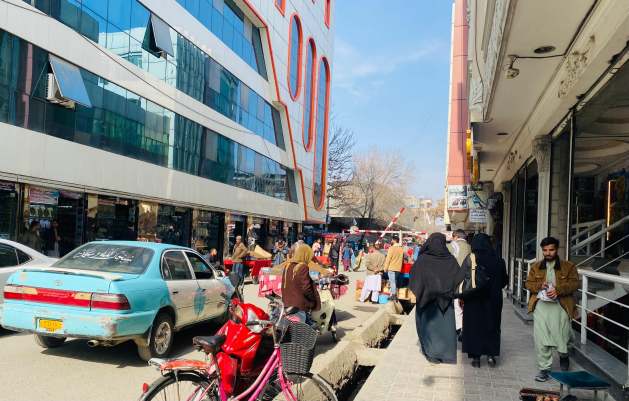 .
.Taliban restrictions on barbers in Afghanistan have reshaped daily life in Kabul, as beard bans and strict rules threaten livelihoods and creativity. Credit: Learning Together.
Ahmed’s barbershop sits on a busy alley in Kabul. In the past, the shop was more than just a place to get a haircut. It was where men would gather, wait their turn and drink tea while chatting about everything from football to politics. Ahmed smiles as he recalls:
“This wasn’t just a job, this was life. There were plenty of clients. Every day I learned new styles from YouTube, from clients and the pictures they brought in. There was competition in the industry and that kept me motivated.”
But that all changed in late 2021 and early 2022, when the so-called Ministry of Virtue and Prevention of Vice, known informally as the chastity police, began actively visiting barbershops. Barbers were told they could no longer trim or shave their customers’ beards. They should also avoid Western hairstyles and were warned that violations would result in serious consequences.
“At first, we just heard that we were not allowed to shave beards. Then, gradually, they started visiting our shops. Some days, two or three chastity police officers would sit here for hours, watching what I was doing and how I was cutting men’s hair and beards. While I worked, they would give me instructions on what I should and shouldn’t do,” Ahmed says.
During those first few months, Ahmed says, unofficial rumors circulated. Many barbers thought this was just a temporary measure. But it soon became clear that the rules had to be taken seriously. Over time, restrictions increased and regulatory forces began to visit stores more regularly.
“To be honest, we didn’t even dare try new styles anymore, even when customers asked for them. We were scared. Many of my barber friends were fined, and some had to close their shops for a while.”
Over the past five years, many barbers have faced various punishments: fines, arrests, and partial or complete closures of their shops. Some have changed careers, others have moved abroad. At the same time, a few, like Ahmed, continue despite the challenges, though his clientele has changed, and his income has been cut in half.
Ahmed says that conversations are shorter now, customer visits are less frequent, and the warm, lively energy that once filled the shop has evaporated. In this climate, barbering is no longer the motivating, dynamic profession that it once was for many.
“Young people used to care a lot about their appearance. Now they either don’t come at all or only want very simple haircuts. In fact, they’re scared. Recently, I was cutting a teenage boy’s hair when a chastity police officer showed up. He noticed I was styling my client’s hair and made a big scene. He forced me to cut my hair very short and threatened to close my shop. After a long discussion, they finally agreed to just fine me and leave.”
The experiences of Afghan barbers show that human creativity cannot be completely suppressed. People like Ahmed, despite the challenges and fears, have not given up. They continue to create small spaces where there is room for art, connection and hope. Perseverance is a sign of a community’s ability to recover, grow and rebuild.
The future may be difficult, but the spirit of resistance and human hope keep alive the possibility of change and a return to days when life and creativity thrived.
© Inter Press Service (20260707121734) — All Rights Reserved. Original source: Inter Press Service