5 months ago
55
5 months ago
55

 With no path beyond sixth grade, some Afghan girls deliberately fail exams to remain in the classroom for one more year. Credit: Learning Together.
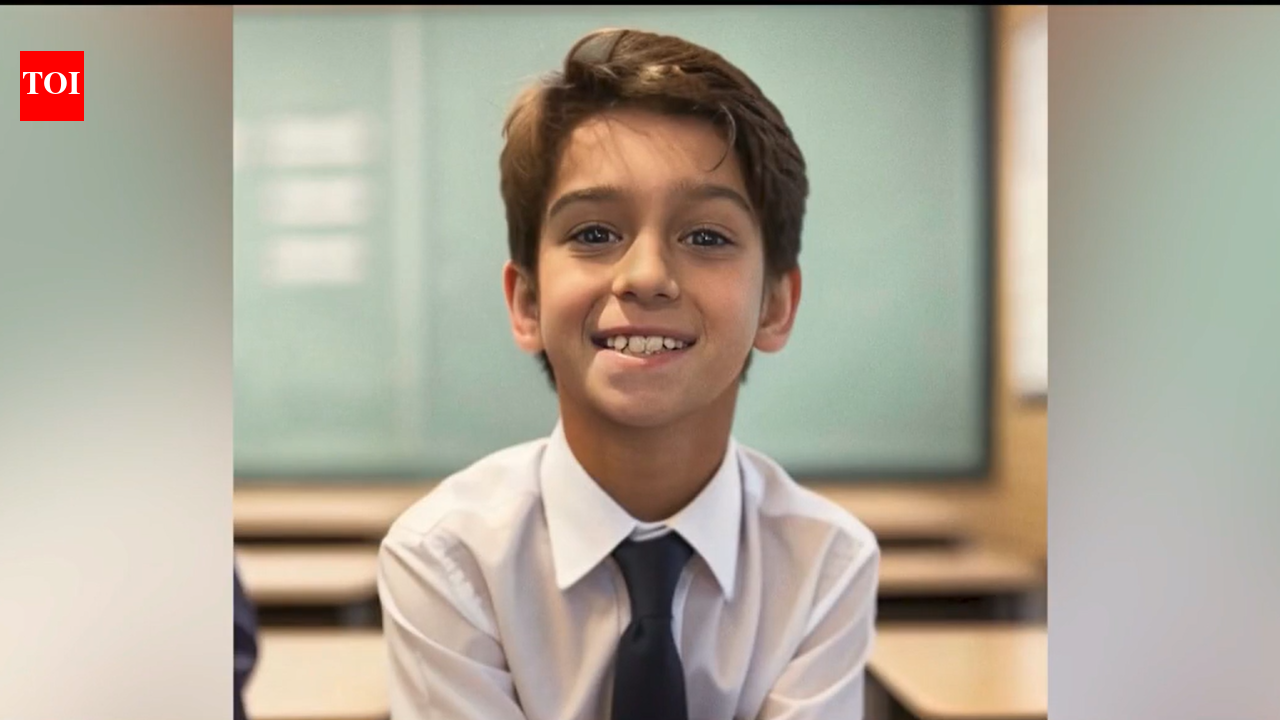
KABUL, March 30 (IPS) - It is almost unheard of for a student to deliberately fail final school exams for no apparent reason. Therefore, when 13-year old Sara (not her real name) from Mazar-i-Sharif in Afghanistan took her school report home to her parents, they were shocked to learn that the top-performing student had failed her final exams and would not advance to the next level. But there was no longer a next level for Sara, even if she had passed.
The Afghan calendar changes in March 2026. The year 1405 begins, and with it a new school year across the country.
For the fifth year running, girls have only been allowed to attend school up to sixth grade. After sixth grade, boys continue their studies, but girls aged 12–13 are no longer allowed to pursue further education or attend university.
As the new school year approaches, girls who have passed the sixth grade know they will not be allowed to return to the classroom. All that remains are memories of years spent at the desks and the friendships they made during their school years. For many, the end of school also marks the shipwreck of their dreams for the future.
However, some have found a pathway that is both bitter and hopeful. They leave their answer sheets blank to deliberately fail their final year exams, just to stay one more year albeit in the same class. It is the only chance to stay in a place where they can study and dream about the future.
“My sister says I’m lucky to still be in school, but I don’t feel happy. This is just a delaying battle. When this year ends, will I have to stay home and become a seamstress?”
Sara is one of those who have chosen to fail her final exams. She deliberately answered the exam questions incorrectly so that she would fail and be allowed to stay in school for another year.
Restricting girls’ education was one of the Taliban’s first orders in August 2021. In late 2022, the Taliban announced that universities would also be closed to girls and women “for the time being.” It was unclear how long the suspension would last.
Nearly four years later, “for the time being” is still in effect, and young women are still not allowed to study. They live in uncertainty and do not know what the future holds.
Sara lives in a middle-income family with her parents and five siblings. She is the fourth child.
Sara’s father works intermittently in construction, employed for a few months a year and unemployed the rest of the time. Sara’s mother is a seamstress, sewing clothes for the women in the area and contributing to the family income.
Sara’s parents have done everything they can to ensure that their children go to school. Her mother, who has never been to school herself, says:
“Sara’s father and I are both illiterate, and our greatest wish is for our children to receive an education. I work day and night as a seamstress so that my children have a better future and do not end up in the same hopeless situation as their father and me. My daughters in particular need to study, succeed, and be independent. But my eldest daughter has sadly been out of school for two years. She now works with me as a seamstress. I hope that my other two daughters and three sons will be able to complete school.”
Sara started school six years ago with enthusiasm and hope. She wipes her eyes with the edge of her scarf as she recounts her school journey with her older sister, Marwa.
“Every morning we woke up early. I carefully braided my hair, packed my books in my bag and walked to school with Marwa. It was less than half an hour to school. Classes started at eight. We used to spend four hours at school and walked back home together when school ended at noon”.
“Marwa and I talked on the way to school about how we would become doctors. But after sixth grade, my sister couldn’t go back to school. For the last two years, she has been helping our mother as a seamstress, and I don’t want that life. I want to be a doctor. That’s why I decided that I couldn’t stop schooling.”
Sara decided to rewrite her destiny, even if it was just for one year.
“To be honest, I had always tried to be the best in my class”, she continues. “So the decision to deliberately fail was incredibly difficult. But it was the only way I could stay in school. When I got my certificate after the exams and saw that I had failed some subjects, I felt both joy and sadness. I had failed, but I didn’t feel defeated. I get to study for one more year. I can still wear my black dress and white scarf and go to school”, she says.
Sara’s family was shocked when they learned she had failed her final exams. Her father stared at the report card repeatedly, as if searching for a mistake. Her mother could not believe it, as her daughter had always ranked at or near the top of her class.
“There was a silence at home that was heavier than any reprimand. I knew I had to tell them what I had done,” Sara recounts.
She pauses, then continues: “I told my parents that my failure was not an accident and that I had intentionally left some questions unanswered or answered them incorrectly. My father was completely shocked. He could not believe I had done it on purpose. He was very and asked me why I wanted to fail.”
His anger subsided when Sara explained her reason: she wanted to go to university like her brother.
Wiping tears with her scarf once more, Sara says she feels sorry for her parents, who worked hard in order for them to live comfortably, go to school, and have a future.
“I don’t know if my decision was right or wrong. My family eventually accepted that I would go back to school, but I feel like I disappointed them anyway.”
When school starts this year, Sara will return to the sixth grade. She will carry the same books and return to a classroom where her former classmates are no longer there.
“My sister says I’m lucky to still be in school, but I don’t feel happy. This is just a delaying battle. When this year ends, will I have to stay home and become a seamstress?”
This question concerns not only Sara, but millions of Afghan girls who have been denied the right to go to school and who ask every day: when will we learn again?
Denying girls an education is not merely an educational policy. It excludes half of the country’s population from public life and deprives them of the opportunity to build their own future and that of their nation.
The consequences are far-reaching, both socially and economically. Before long, women will no longer be working in the fields of medicine, education and social services. The impact is severe, as the absence of female professionals directly affects the health and well-being of millions.
© Inter Press Service (20260330130109) — All Rights Reserved. Original source: Inter Press Service