1 hour ago
1
1 hour ago
1

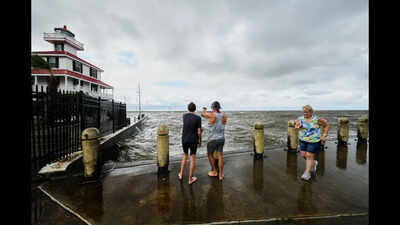
Louisiana issues health alert amid outbreak of flesh-eating bacteria, warns beachgoers to be cautious.
At least five people have been killed in Louisiana by deadly flesh-eating bacteria, prompting officials to issue an alert to beachgoers as the infection mostly occurs from exposure to seawater.
Vibrio vulnificus is part of a wider group of Vibrio bacteria. Found primarily in warm, coastal waters, it can cause serious, potentially life-threatening infections when contaminated seawater enters an open wound, according to the CDC.Infections can also occur when someone eats raw or undercooked shellfish, especially oysters.The Louisiana Department of Health has reported nine cases and five deaths so far this year. All nine cases were linked to people entering seawater with open wounds, and all of the infected patients had existing medical conditions, officials said.
What is the Louisiana Vibrio culnifucus outbreak?
- Vibrio bacteria are found in higher numbers from May to October, when water temperatures are warmer.
- Although infections are rare, Vibrio vulnificus can cause an illness called vibriosis, often marked by vomiting, diarrhea and abdominal pain, as well as potentially severe skin infections.
- "People with severe infections may require intensive care or limb amputation," Louisiana health officials warned. "About one in five people with Vibrio vulnificus infection dies, sometimes within a day or two of becoming ill."
- Initial signs and symptoms of a Vibrio skin infection include fever, redness, pain, swelling, warmth, discoloration and discharge, per the CDC.
- While healthy people generally experience only mild symptoms, those who are immunocompromised or have chronic liver disease can face serious health risks. All the fatalities in Louisiana had pre-existing medical conditions.
- If Vibrio vulnificus enters the bloodstream, it can cause advanced illness marked by fever, chills, septic shock and blistering skin lesions.
- Some severe cases can cause an infection called necrotizing fasciitis, which is when the flesh around an open wound dies, the CDC said. This rare side effect has led to Vibrio vulnificus being described as "flesh-eating bacteria."
- Health officials cautioned against entering warm saltwater or brackish water if any fresh cuts, scrapes or wounds are present.
- The alert also urges beachgoers to avoid consuming raw oysters and other raw shellfish, and to avoid cross-contamination of other foods with raw seafood or its juices.