1 hour ago
4
1 hour ago
4

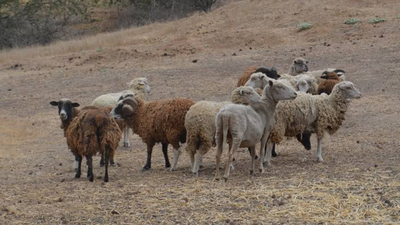
In 1980, conservationists began an ambitious ecological restoration programme on Santa Cruz Island, off the coast of Southern California. The main goal was to remove tens of thousands of feral sheep whose uncontrolled grazing was damaging native plants and threatening wildlife habitats.
Over the next seven years, organised eradication efforts dramatically changed the island’s landscape. According to historical records from The Livestock Conservancy and information documented in Wikipedia’s Santa Cruz sheep entry, the feral population fell from about 21,500 to fewer than 100 animals by 1987. With a genetically distinct heritage breed close to extinction, conservationists launched a rescue mission, capturing 12 lambs to save the breed on the American mainland.
A centuries-long presence on the island
Domestic sheep were first brought to Santa Cruz Island in the mid-19th century. Historical information from Islapedia shows that livestock operations were established around 1851 under Spanish and American ranch managers. For decades, large-scale sheep shearing was an important activity across the island’s rough landscape. But this changed during the 20th century. When private owner Edwin L. Stanton bought the western part of the island in 1937, he shifted the main focus of the ranches to cattle.
Sheep shearing stopped across large areas, leaving thousands of sheep without proper management. Over many generations, the animals returned to a completely wild state and adapted to the difficult conditions of the Channel Islands. Cut off from mainland sheep, the Santa Cruz animals developed special traits that helped them survive. They became smaller, very agile, resistant to many common sheep diseases and able to live on limited vegetation without human care.
However, their growing population became a serious threat to the island’s already fragile ecosystem.
Environmental crisis and eradication efforts
By the late 1970s, the island’s natural plant life was under severe pressure. Large numbers of feral sheep were eating native vegetation, causing soil erosion and destroying habitats needed by endemic species. In 1980, environmental non-profit organisation The Nature Conservancy took control of most of Santa Cruz Island and began a major restoration project. Research by ecologist Dirk Van Vuren, published in the journal Biological Conservation, showed how heavy sheep grazing was damaging trees and stopping native plants from growing back.
To restore the island’s natural biodiversity, conservation workers began a large-scale eradication programme. Field teams used controlled hunts and aerial shooting from helicopters to reach remote valleys and ridges. Within seven years, the population of about 21,500 sheep had been reduced to fewer than 100.
The rescue of a rare genetic lineage
While environmentalists welcomed the return of native plants, livestock historians realised that a unique heritage breed was also close to disappearing. Research by The Livestock Conservancy, then known as the American Minor Breeds Conservancy (AMBC), showed that Santa Cruz sheep had a rare and largely unchanged genetic line linked to 19th-century Spanish and Merino sheep. In a feature published in The Livestock Conservancy’s News archive, researchers Phil Hedrick, Marion Stanley and Dirk Van Vuren played important roles in efforts to save the breed.
With the last island sheep facing possible extinction, conservationists stepped in late in 1987. A small team captured 12 wild lambs from the remaining flock and moved them across the Santa Barbara Channel to the California mainland. These 12 animals became the foundation of a captive breeding programme created to protect the breed’s future.
Securing the breed’s survival off the island
Moving from a wild island environment to mainland farms created new challenges.
The rescued lambs were not used to people and needed careful handling by experienced rare-breed owners. With help from private breeders, educational institutions and heritage livestock organisations, the mainland population slowly grew. The Livestock Conservancy introduced strict registration standards to reduce inbreeding while keeping the breed’s genetic line pure.
By the late 1990s, further rescue efforts by animal welfare groups such as Farm Sanctuary brought more sheep away from the remaining private parts of the island before government eradication programmes were completed. Today, Santa Cruz sheep remain one of the rarest sheep breeds in North America. The rescue carried out in 1987 ensured that these hardy animals survived in small conservation flocks across the United States. They now serve as a living link to California’s agricultural history and an example of successful livestock conservation.