1 hour ago
1
1 hour ago
1

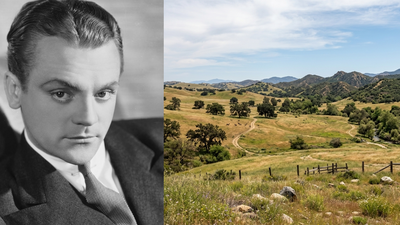
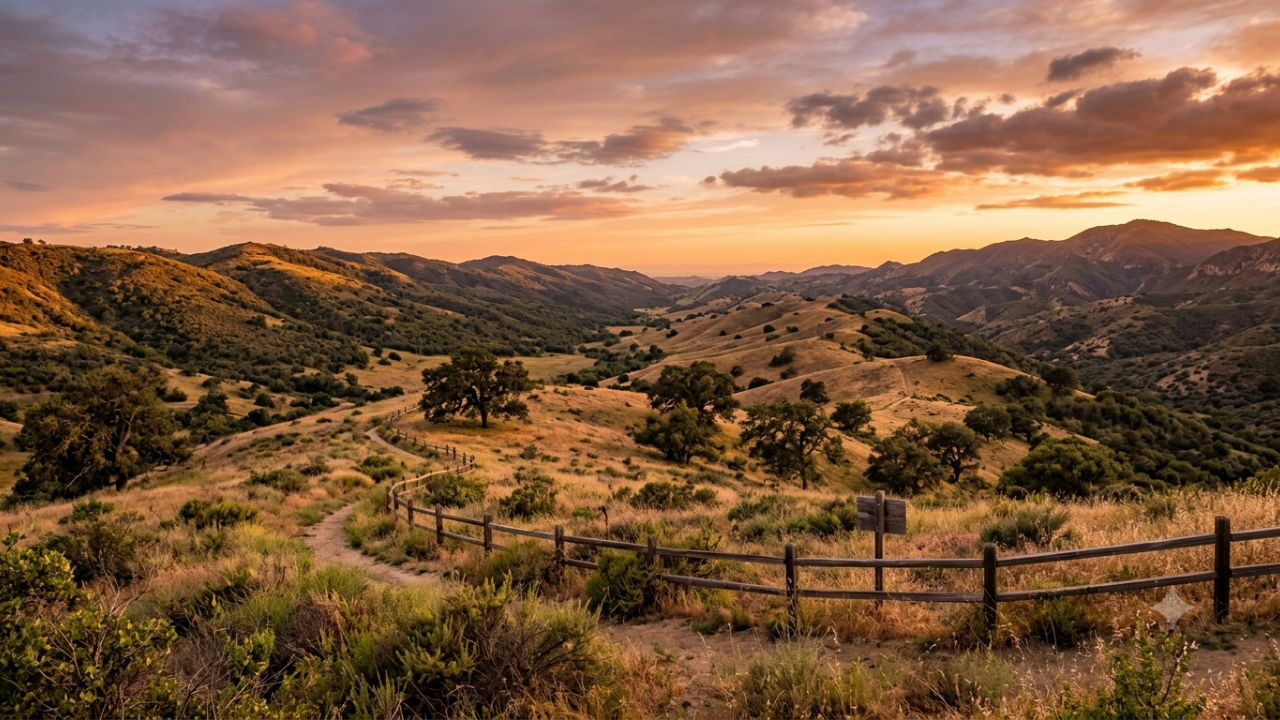
For decades, the grasslands outside Ramona, California, looked much as they had for generations: open country, seasonal pools and wide stretches of native vegetation broken by grazing land.
As reported by the local news report, The San Diego Union-Tribune, among the people who once owned part of this landscape was Hollywood actor James Cagney, who acquired hundreds of acres in the area with his brother William during the 1940s. The property did not remain intact forever. Portions were sold over the years, leaving 417 acres under the William J. Cagney Trust.By the early 2000s, however, the remaining tract had caught the attention of conservationists for a very different reason.
It was part of one of the last sizable grassland habitats in coastal Southern California, supporting rare plants and threatened wildlife. In 2003, after years of negotiations, the Nature Conservancy purchased the former Cagney property for $2.7 million, placing the remaining land on a path toward long-term protection.
How the Cagney brothers acquired the Ramona grasslands in the 1940s
Ramona was a very different place when the Cagney brothers acquired their land. The community was still relatively rural, and the grasslands stretched across a wide valley floor.
The property was used as open country, with livestock grazing among native grasses and seasonal wetlands.Reportedly, James Cagney was already a major film star by this period, known for films such as The Public Enemy and Yankee Doodle Dandy. His brother William, however, had a separate connection to the property and remained associated with the Ramona holding.Accounts of the land differ slightly on the exact size of the original purchase, but later reporting put it at more than 500 acres.
Over the following decades, portions were sold. What remained became the Cagney Ranch, held through the family trust.As reported, by the time conservation groups began seriously pursuing the property, the 417-acre remnant had become more significant than its size alone suggested.
AI Generated
How the Ramona grasslands kept habitats connected
Large grassland valleys are not easy to preserve in coastal Southern California. Their flat terrain makes them attractive for roads, houses and other development, leaving relatively few expansive areas intact.The Ramona grasslands were one of those exceptions. The wider area covered thousands of acres and contained a mixture of grassland, vernal pools and other habitats. It also formed part of a larger network of open land extending through San Diego County. Conservation groups saw the remaining large parcels as opportunities to keep those connections intact rather than allowing the landscape to become increasingly fragmented.The Cagney property sat close to the centre of that effort. It was not an isolated patch of vegetation surrounded by development. Its position meant that protecting it could help connect other conservation areas and leave room for further acquisitions.
Rare wildlife found across the Ramona grasslands
The land also supported species that had become increasingly difficult to find elsewhere.The Nature Conservancy identified the Stephens' kangaroo rat, San Diego fairy shrimp and arroyo southwestern toad among the threatened or endangered species associated with the Ramona grasslands.
Seasonal vernal pools on the Cagney property had also produced records of three rare plant species.Vernal pools are particularly distinctive features of the landscape. They fill during the wet season and then dry out, creating temporary aquatic habitats that can support species adapted to conditions found in few other places.For conservationists, preserving the surrounding grassland mattered as well. Wildlife does not necessarily remain inside the boundaries of a single protected parcel.
Maintaining open ground between habitats can allow animals and plants to persist across a wider landscape.
How the Ramona grasslands deal took six years to complete
The Nature Conservancy did not simply arrive one day and purchase the ranch. The idea had been developing for years.Dave Bittner, executive director of the Wildlife Research Institute in Ramona, had first contacted the conservancy about the property in 1997. Discussions continued, and the acquisition began taking clearer shape around 2000.That long timeline was typical of large conservation purchases. Finding a willing seller was only one part of the process. Millions of dollars had to be assembled, different organisations had to coordinate their contributions, and the ecological value of the land had to be weighed against competing possibilities for its future.Reportedly, a federal grant helped move the proposal forward. The US Fish and Wildlife Service provided $660,000, while the state contributed another $165,000.
The largest contribution, $1.236 million, came through California's Wildlife Conservation Board using funds from a statewide bond approved by voters in 2002.The Nature Conservancy put $639,000 of its own funds into the purchase. Escrow finally closed on June 30, 2003.
How one purchase could protect more Ramona grasslands
The $2.7 million transaction protected 417 acres, but conservation groups were thinking beyond that single purchase.At the time, the Ramona grasslands covered roughly 8,000 acres and contained several large privately held parcels.
The Cagney property helped connect existing conservation plans and offered a possible route towards a larger protected landscape.The Wildlife Research Institute, which owned 10 acres beside the southwest corner of the new preserve, intended to continue working towards protecting more of the grasslands. Its researchers had been documenting the area's wildlife and habitat for years.For them, the acquisition was a beginning rather than an endpoint.The broader conservation ambition was to keep substantial parts of the grassland intact while finding ways for development and habitat protection to coexist elsewhere. That was important in a county where coastal, mountain and desert environments meet, producing an unusually varied collection of habitats.
What remained from the old ranch
The 417 acres carried a family name linked to one of Hollywood's most recognisable actors, but the property's significance eventually came from something far removed from the film industry.Pieces of the original Cagney holding had disappeared over the decades as land changed hands. The remaining parcel was the part that could still make a difference to the surrounding ecosystem.In 2003, the Nature Conservancy described it as one of the last remnants of grassland habitat in coastal Southern California. The purchase kept that section from following the same path as many other flat, developable pieces of the region.The landscape itself had not changed overnight. There was no new monument or dramatic transformation when the sale closed. Instead, ownership changed hands, and with it came a commitment to manage the property as part of a wider conservation effort.For a piece of land first acquired by the Cagney family decades earlier, that was a quiet but significant change in direction.