1 month ago
43
1 month ago
43

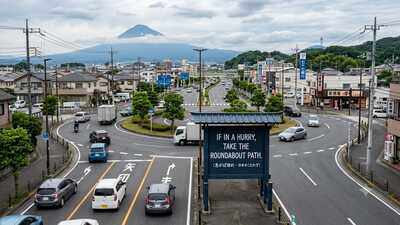
When time is running short, our first instinct is usually to rush. We cut corners, skip important steps and look for the quickest route to our destination. Yet haste often leads to mistakes that take far longer to fix than the time we thought we were saving.
The Japanese proverb, "If in a hurry, take the roundabout path," offers a surprising but timeless piece of wisdom. It suggests that patience and careful planning often produce better results than speed alone. By taking the safer, steadier route, we are more likely to reach our destination without unnecessary setbacks.Rooted in Japan's tradition of valuing discipline, mindfulness and thoughtful action, the proverb reminds us that true efficiency is not about moving as fast as possible; it is about making progress without creating avoidable problems along the way.
Japanese proverb of the day
"If in a hurry, take the roundabout path."
What does this proverb mean
The proverb teaches that rushing through important tasks often increases the risk of mistakes, delays and poor decisions. Taking a little extra time to plan carefully, prepare properly and work methodically may seem slower at first, but it usually saves time in the long run. The saying encourages patience, attention to detail and the understanding that lasting success is built on careful action rather than reckless speed.
Haste often creates the very delays we hope to avoid
When people feel pressured by time, they are more likely to overlook details, make careless errors or choose shortcuts that backfire. A rushed email may contain costly mistakes, hurried construction can compromise safety and impulsive decisions often require even more effort to correct later. The proverb reminds us that many delays are not caused by moving too slowly but by moving too quickly without thinking.
Careful preparation is rarely wasted
Athletes train for months before competitions, pilots complete detailed safety checks before every flight and surgeons follow strict procedures before an operation begins.
These moments of preparation may appear time-consuming, but they reduce the likelihood of serious problems later. Taking the "roundabout path" does not mean avoiding action, it means laying a strong foundation before moving forward.
Patience is a form of wisdom
Choosing the longer route is not always a sign of hesitation. Sometimes it reflects experience. People who have faced setbacks understand that steady progress often outlasts rushed success.
Whether building a career, learning a new skill or making an important life decision, patience allows us to think clearly, adapt when necessary and avoid unnecessary risks. In many cases, what seems like the slower choice turns out to be the most efficient one.
Why this proverb still matters today
Modern life often rewards speed. We expect instant replies, same-day deliveries and quick results in almost every aspect of life. Yet many of the things that matter most, earning trust, mastering a profession, building meaningful relationships or creating something of lasting value, cannot be rushed. This Japanese proverb reminds us that slowing down is not the opposite of progress. The enduring lesson behind the saying is that when the stakes are high, taking the thoughtful path is often the quickest way to reach the destination without losing your way.