59 minutes ago
3
59 minutes ago
3

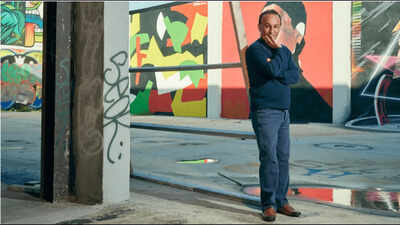
Moishe Mana, Founder & CEO, Mana CommonPhoto credit: Mana Common
Moishe Mana began buying property in Miami’s Wynwood district in 2009, when the area was still largely abandoned and in the early stages of transformation. Over 16 years, he assembled roughly 30 acres into what became Mana Wynwood, a cultural and events hub known for art fairs, concerts and festivals.
On September 29, 2026, Mana Common closed the sale of that assemblage to Citadel founder and CEO Ken Griffin for approximately $1.1 billion, a transaction the company describes as the largest land-assemblage deal in Florida history, as per Hauteresidence.com. The site is planned to become part of a new Carnegie Mellon University campus in Wynwood.
From distressed warehouse to cultural hub
Mana’s first major purchase in Wynwood was a distressed warehouse acquired for about $5 million, which became the foundation of Mana Wynwood.
Over the years, he invested less than $70 million to assemble his holdings in the area, according to Mana Common. The property evolved into one of the district’s largest cultural venues, hosting events such as Miami Music Week and the III Points festival.Mana’s approach drew on his earlier experience in New York City’s Meatpacking District, where he established Milk Studios during that neighbourhood’s early redevelopment.
He applied a similar model in Wynwood, investing not only in real estate but also in street art, music, fashion and community programming. Mana Common says it spent roughly $2 million to $3 million annually on neighbourhood culture, helping shape Wynwood’s identity as a creative district, as per reports.That investment strategy reflected a belief that culture and commerce could grow together. By creating a space that attracted artists, musicians, designers and event organisers, Mana helped establish Wynwood as a destination.
The sale to Griffin marks a new phase, with the focus shifting from cultural programming to education and technology.
The scale of the Griffin purchase
The approximately $1.1 billion price works out to about $36.7 million per acre, or roughly $842 per square foot of land, based on 30 acres equalling 1,306,800 square feet. Mana Common describes the deal as the largest land-assemblage transaction in Florida’s history, reflecting both the size of the holding and the strategic value of the location.
The sale includes the Mana Wynwood campus at 318 NW 23rd Street, which has operated as a cultural and events venue.
Ken Griffin is the founder and CEO of Citadel and the founder of Griffin Catalyst. His purchase of the Wynwood land is part of a broader commitment to Miami, where he has been building a significant presence. The transaction links that financial presence to a planned research and workforce platform centred on Carnegie Mellon University.For Mana, the sale represents a return on a long-term bet. Using only the disclosed figures, the sale price represents a gross value uplift of at least approximately $1.03 billion, or more than 15 times the stated investment, before accounting for operating, cultural, carrying, financing, entitlement and transaction costs, the report suggests. These are indicative calculations rather than realised profit figures, but they illustrate the scale of the appreciation.
Carnegie Mellon’s planned Wynwood campus
Carnegie Mellon University announced a $3 billion gift from Griffin, which the university describes as the largest individual philanthropic investment in higher education. Of that amount, $2 billion is earmarked for the Miami campus and $1 billion for Carnegie Mellon’s Pittsburgh campus and broader academic priorities. The Miami campus is planned to occupy more than 35 acres in Wynwood, indicating that the university’s footprint may include land beyond the parcels sold by Mana Common, reported Haute Residence.At full scale, the campus is planned to support more than 3,500 undergraduate, master’s and doctoral students, with nearly 300 faculty members and more than 600 staff. Construction is expected to begin in 2027, with graduate enrolment targeted for 2028 and undergraduate enrolment expected four years later, subject to regulatory approvals. The campus will include industry research labs and venture studios, positioning it as a hub for innovation alongside education, it further reported.Planned areas of focus include human health, biodiversity, national security, energy and climate resilience, advanced manufacturing and industrial transformation. These fields align with the broader vision of Wynwood as a place where technology, education and industry converge. Carnegie Mellon President Farnam Jahanian has described the Miami campus as a sister or peer campus rather than a satellite, underscoring its importance to the university’s future.
What the sale means for Wynwood
The transaction reflects a shift in Wynwood from its initial creative and cultural redevelopment phase toward an education- and technology-oriented land use. Carnegie Mellon’s planned presence could generate demand for housing, research space, retail, hospitality, student services and innovation-focused companies. The campus is expected to bring thousands of students, faculty and staff to the area over time.Student housing is part of the plan, with dormitories mentioned by Jahanian in comments to the Miami Herald. The number of beds and their exact location have not been disclosed, so it is not yet clear how much demand will reach the private rental and condo market. For nearby residents and property owners, the campus represents a long-term institutional anchor that could reshape the neighbourhood’s character.Mana Common retains more than 15 acres in the Wynwood area and says it will continue to invest in the neighbourhood.
The company will also continue to oversee operations and maintain existing events at the Mana Wynwood space for the foreseeable future. That continuity suggests that the cultural programming that helped define the district will not disappear overnight.
Mana’s broader Miami vision
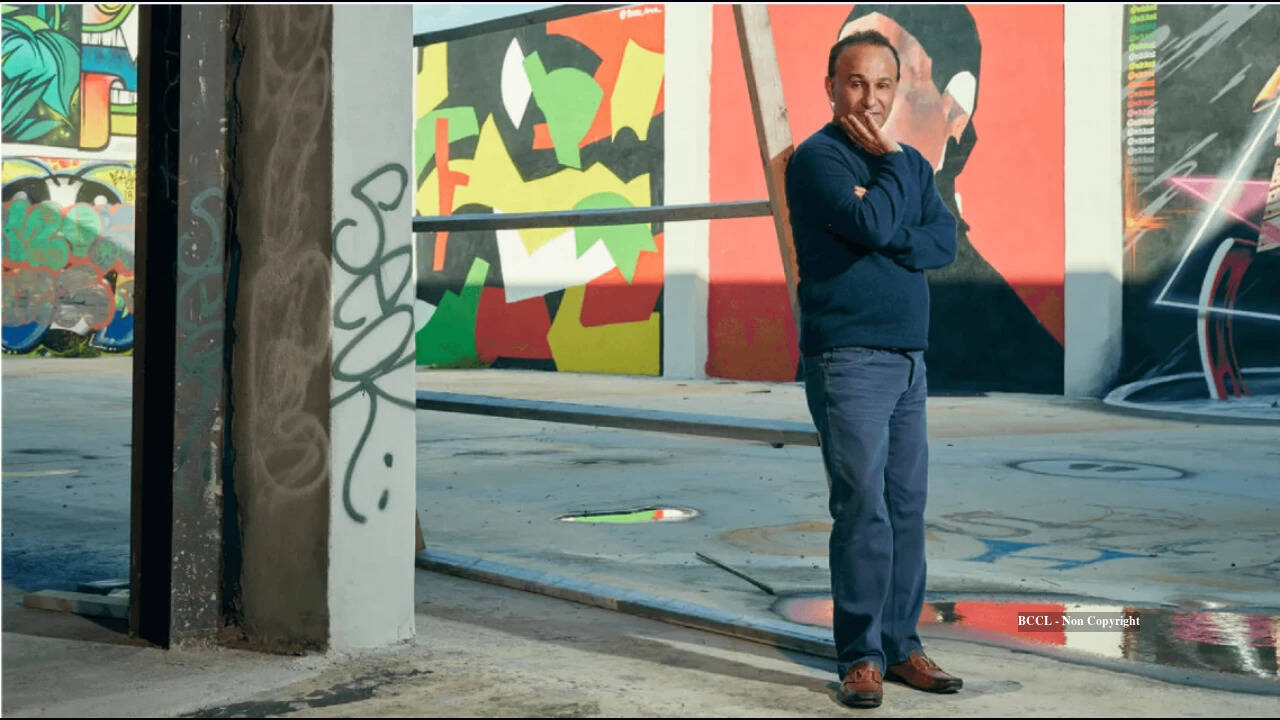
Moishe Mana, Founder & CEO, Mana CommonPhoto credit: Mana Common
Beyond Wynwood, Moishe Mana has been assembling a significant portfolio in downtown Miami’s Flagler District. Over the last 11 years, he has purchased around 80 properties in the area for approximately $600 million, creating one of the largest privately controlled portfolios in the urban core.
He also helped lead and fund the Flagler District beautification project.Mana’s broader strategy is framed as a One America vision of connecting the Americas, with Miami as a hub. Downtown is about something bigger than Wynwood, he says, describing Miami as an opportunity to become the economic and innovation capital connecting North America and Latin America. His Mana Tech division aims to attract technology companies and entrepreneurs to Miami, while Mana Fashion is building infrastructure to connect designers and manufacturers with buyers and international markets.The Wynwood sale, while significant, is not the end of Mana’s involvement in Miami. He still controls a large portfolio in Allapattah and continues to invest in downtown. For Mana, the sale is a passing of the torch, allowing someone else to build on what he started and take it even further.
A new chapter for a changing neighbourhood
The $1.1 billion sale of Mana Wynwood marks a turning point for a district that has evolved from abandoned warehouses to a cultural destination and now to a planned centre for education and innovation.
Ken Griffin’s purchase clears the way for Carnegie Mellon University Miami, a project that could bring thousands of students, faculty and staff to the area over the next decade. The transaction is a reminder of how quickly urban neighbourhoods can change when long-term investment meets strategic vision.For Moishe Mana, the sale validates a 16-year effort to build an ecosystem around art, culture and community. For Ken Griffin and Carnegie Mellon, it represents an opportunity to add another layer to that ecosystem through education, technology and innovation. As construction begins in 2027, Wynwood’s next chapter will be shaped by a university campus that aims to become a major research and workforce hub in South Florida.