1 month ago
26
1 month ago
26

Beirut, Lebanon – On Tuesday, representatives from Lebanon and Israel met at the US Department of State in Washington, DC – the first session of a two-day round of negotiations that Lebanese negotiators hope will end an invasion of their country.
The negotiations, which started at 9am local time (13:00 GMT), come as Israel’s invasion of Lebanon pushes deeper than at any point since the year 2000 and as Hezbollah and Israel continue to trade attacks. Israel has killed 3,468 people in Lebanon since March 2, according to Lebanon’s Ministry of Public Health.
With the war raging on, what do Lebanon and Israel have to discuss and will the talks lead to an end of the Israeli assault?
Here’s everything you need to know.
What will Israel and Lebanon discuss?
Similar to past meetings, the two sides are ostensibly looking to come to some kind of deal following fighting between Israel and Hezbollah, with strong doubts it will be achieved.
Lebanon’s government is still pushing for a total ceasefire. However, as talks started, Israel was striking various parts of southern Lebanon. Lebanon is also trying to get Israel to withdraw from Lebanese territory in the south, so that more than 1.2 million displaced people can return home, and so the state can resume finding a way to disarm Hezbollah and rebuild areas devastated by Israeli attacks.
Israel is meanwhile looking to get assurances that Lebanon will disarm Hezbollah, a prospect analysts say Israel knows is complicated by the continuation of its military operations and occupation of swaths of southern Lebanon. Instead, Israel appears to be trying to fuel sectarian tensions inside Lebanon, leading to chaos and internal strife.
What has happened so far?
An initial meeting took place in April between Israel and Lebanon’s ambassadors to the United States. A second round took place in May with a larger delegation on both sides.
On Friday, a meeting took place with Lebanese and Israeli military representatives, while Hezbollah, the Iranian-backed Lebanese group, is not involved in the meetings.
Israel claimed the two sides found common ground in that they both wanted to see Hezbollah disarmed. Some Israeli officials suggested there may soon be trade agreements and an exchange of tourists between the two countries. Lebanon, however, said it preferred to find a deal closer to the 1949 armistice agreement between the two countries.
In the last meeting, Beirut reportedly outlined the damage done by Israeli attacks since the 2024 ceasefire agreement and presented detailed maps showing homes destroyed or razed by Israel.
Is there a chance for a ceasefire?
That remains to be seen, but for now, Israel’s Prime Minister Benjamin Netanyahu said his country’s military would continue attacking Lebanon.
On Monday, Netanyahu announced that attacks on Beirut’s southern suburbs would resume, despite a ceasefire. Apart from two targeted attacks, Israel has not struck the suburbs, known as Dahiyeh, since April.
Iran, which has attempted to include Lebanon in a wider ceasefire between themselves, on one side, and Israel and the US on the other, then intervened by threatening to attack northern Israel.
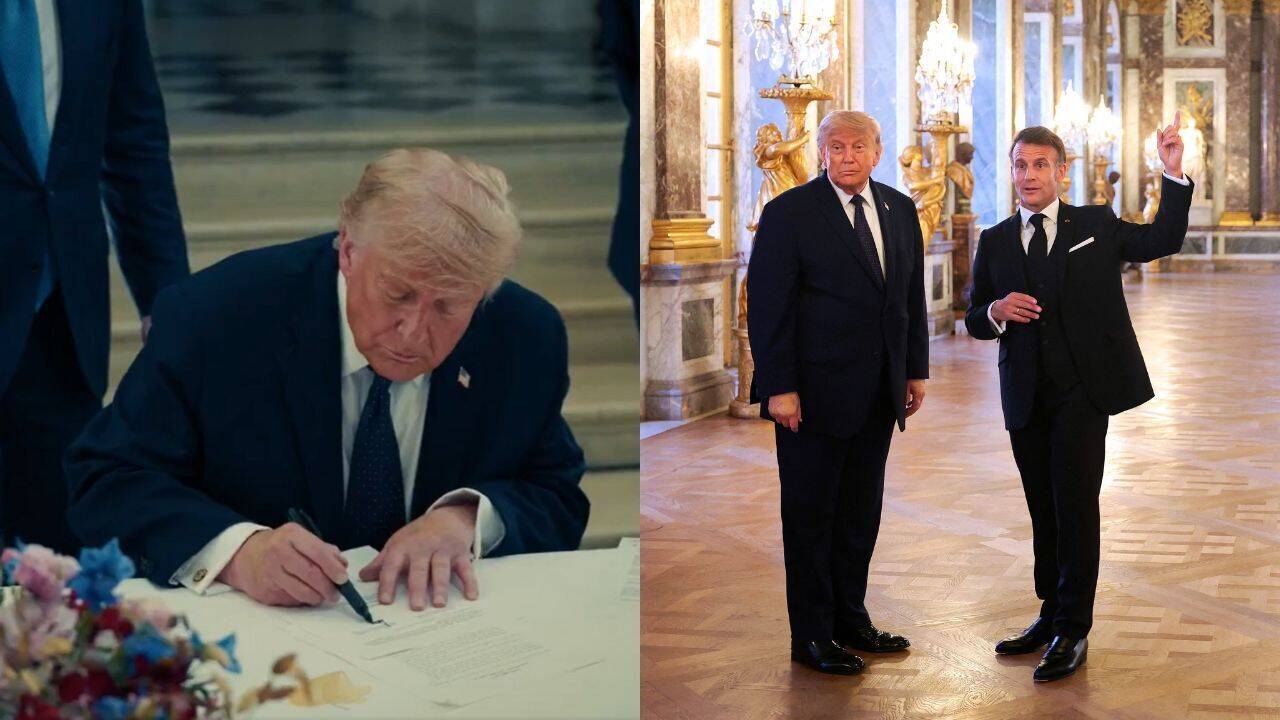
US President Donald Trump reportedly intervened to stop Israel’s attacks. He announced another ceasefire, after his previous announcement of one between Israel and Lebanon on April 16, after claiming he had gotten the approval of Netanyahu and spoken to Hezbollah.
“There will be no troops going to Beirut, and any troops that are on their way have already been turned back,” Trump announced on his social media platform, Truth Social.
But attacks from Israel and Hezbollah are continuing.
How do Lebanese people feel about the talks?
Not everyone is on the same page.
Some Lebanese support the talks and say they are the only option the state, which has little leverage, has. Among those who believe direct talks are the best way forward are Lebanon’s President Joseph Aoun and Prime Minister Nawaf Salam.
“There is no option other than negotiation,” Aoun said in a statement on Tuesday.
Others, however, oppose direct talks. Parliament Speaker Nabih Berri and his allies, Hezbollah, have said indirect talks are preferred and that negotiations cannot be conducted while attacks are ongoing.
How are Iran and the US connected?
Israel and the US attacked Iran on February 28, killing the country’s longtime leader Ayatollah Ali Khamenei.
Iran is Hezbollah’s primary benefactor, and two days after Khamenei’s assassination, Hezbollah fired six rockets towards Israel on 2 March.
Hezbollah’s response brought a huge response from Israel, who have crossed the Litani River – the supposed buzzer zone in southern Lebanon it had created – towards the Zahrani River.
Despite a 2024 ceasefire, Israel had never stopped attacking Lebanon, while Hezbollah had only responded once in December 2024.
Iran has attempted to include Lebanon in the ceasefire deal it has with the United States and Israel, who say this theatre is not part of the agreement.
Although Trump has now announced a ceasefire between Hezbollah and Israel twice, the invasion of southern Lebanon continues.
Are there other actors involved?
Gulf states have also intervened. Saudi Arabia has been working behind the scenes to get Lebanon’s leadership – Aoun, Salam and Berri – on the same page. Meanwhile, analysts say Saudi Arabia and Qatar engaged the Trump administration to stop an escalation in Lebanon.