49 minutes ago
1
49 minutes ago
1

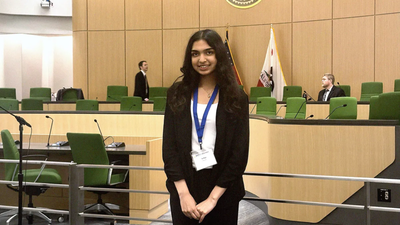
A student-led movement supporting neurodivergent children and their families has grown into a global network across several continents, led by a high school senior in California.
Nithya Ravuri, a student at Emerald High School in Dublin, California, founded Sevah Neuro to provide accessible resources, social connections, and community support for children with neurological differences. What started as a local effort to create learning materials has grown into an organisation with more than 500 members and 15 chapters worldwide. The initiative began after Ravuri shadowed occupational and paediatric therapists and worked directly with children diagnosed with conditions including autism and Down syndrome.
During this clinical experience, parents often told her about the lack of affordable specialised learning materials and the social isolation their children faced. Instead of accepting the lack of support, Ravuri started creating custom educational tools to help fill the gap. The project soon became a structured non-profit called Sevah Neuro, a name taken from the Sanskrit word for selfless service.
Global expansion and chapter network
Working with fellow Emerald High School student Aatmika Kapoor, who serves as chief operating officer, Ravuri strengthened the organisation and expanded the non-profit far beyond Northern California.
According to reporting by The Independent and republished by SFGate, Sevah Neuro has established more than 15 chapters across the United States and other countries, including India, Nepal, Bangladesh, Zimbabwe, Ghana, and Mexico.
To provide direct support, the non-profit launched the Sevah Pediatric Neuroinclusion Fellowship, a five-week online summer programme offering life-skills lessons and organised social activities for more than 400 neurodivergent children.
"We try providing them a safe space for them to grow as people and we teach them life skills," Ravuri said in an interview with local media outlet Livermore Vine. "I always wanted to start addressing this; giving them a safe space is one of my biggest priorities. But also, so other people, not just me, can learn from these children and see how talented they are."
Overcoming operational challenges
Running a multi-chapter non-profit while attending high school brought administrative and personal challenges.
In an interview with Bold Journey Magazine, Ravuri explained how early setbacks and self-doubt tested her commitment to the cause. "There were moments of real self-doubt, wondering if a 17-year-old could actually be taken seriously running an organization, balancing schoolwork with the responsibility of leading a team, and facing setbacks when partnerships fell through or plans didn't work the way I expected," Ravuri said.
To keep the organisation moving forward, the leadership team focused on building steady and sustainable working habits instead of chasing short-term attention. "Consistency: SEVAH Neuro didn't grow from one big moment; it grew from continuing to show up for the kids and their families, even after the initial excitement wore off," Ravuri told Bold Journey Magazine.
Legislative advocacy and future development
Along with family support and educational programmes, Sevah Neuro has expanded into policy advocacy.
The student organisation has lobbied California state officials for greater public awareness and more educational resources about neurodivergence, with plans to take its advocacy to federal lawmakers. The organisation is also developing an educational book and a dedicated mobile app to give parents and caregivers direct access to learning tools.
Looking ahead, Ravuri hopes Sevah Neuro will become a permanent institution that can open specialised trusts and physical educational centres. "When people hear Sevah, they should always think about the work we've done and the children we impacted rather than the people behind it," Ravuri told The Independent. "And not just me, we have a huge team."