3 weeks ago
36
3 weeks ago
36

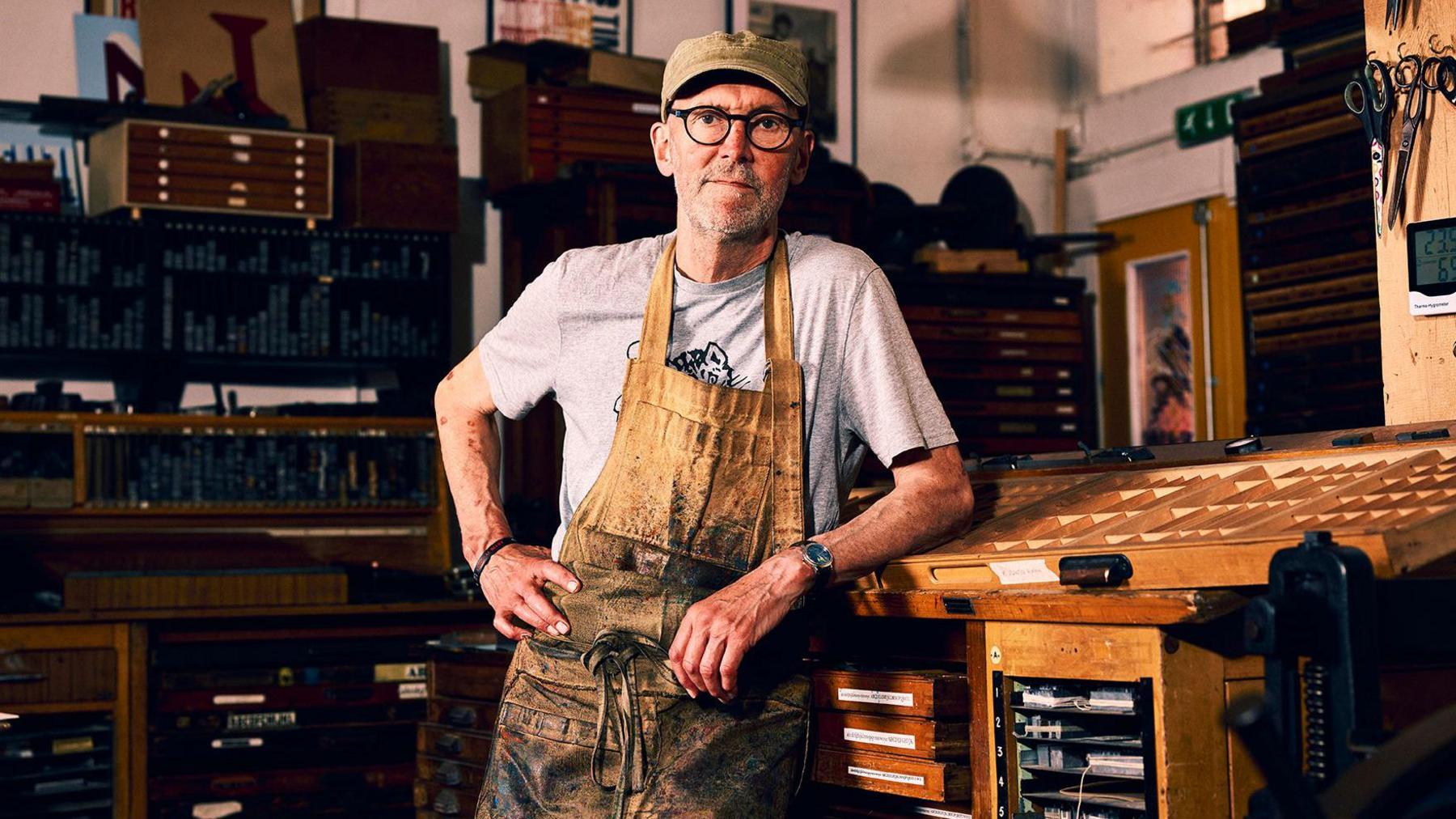 Image source, Jess Hand Photography
Letterpress printer Nick Hand warns once traditional craftmanship is gone, "it's gone forever"
ByBea Swallow
West of England
Some skills have survived for centuries, passed carefully from one pair of hands to the next using historic techniques that have changed little over time.
But many traditional crafts are now on the brink of extinction, as advances in technology render them obsolete and valuable knowledge fades into the past.
Heritage Crafts' red list reveals those with limited training opportunities and low financial viability are at "serious risk" of disappearing within a generation or two.
While artificial intelligence (AI) and mass production take over, artisans across the west of England are determined to prevent these skills from disappearing forever.
Heritage Crafts is the national charity dedicated to safeguarding and supporting traditional craft skills and knowledge.
Those on its endangered list currently have enough craftspeople to pass their skills to the next generation, but "there are serious concerns about its ongoing viability".
Among those featured is letterpress printing, which first began in the 15th century.
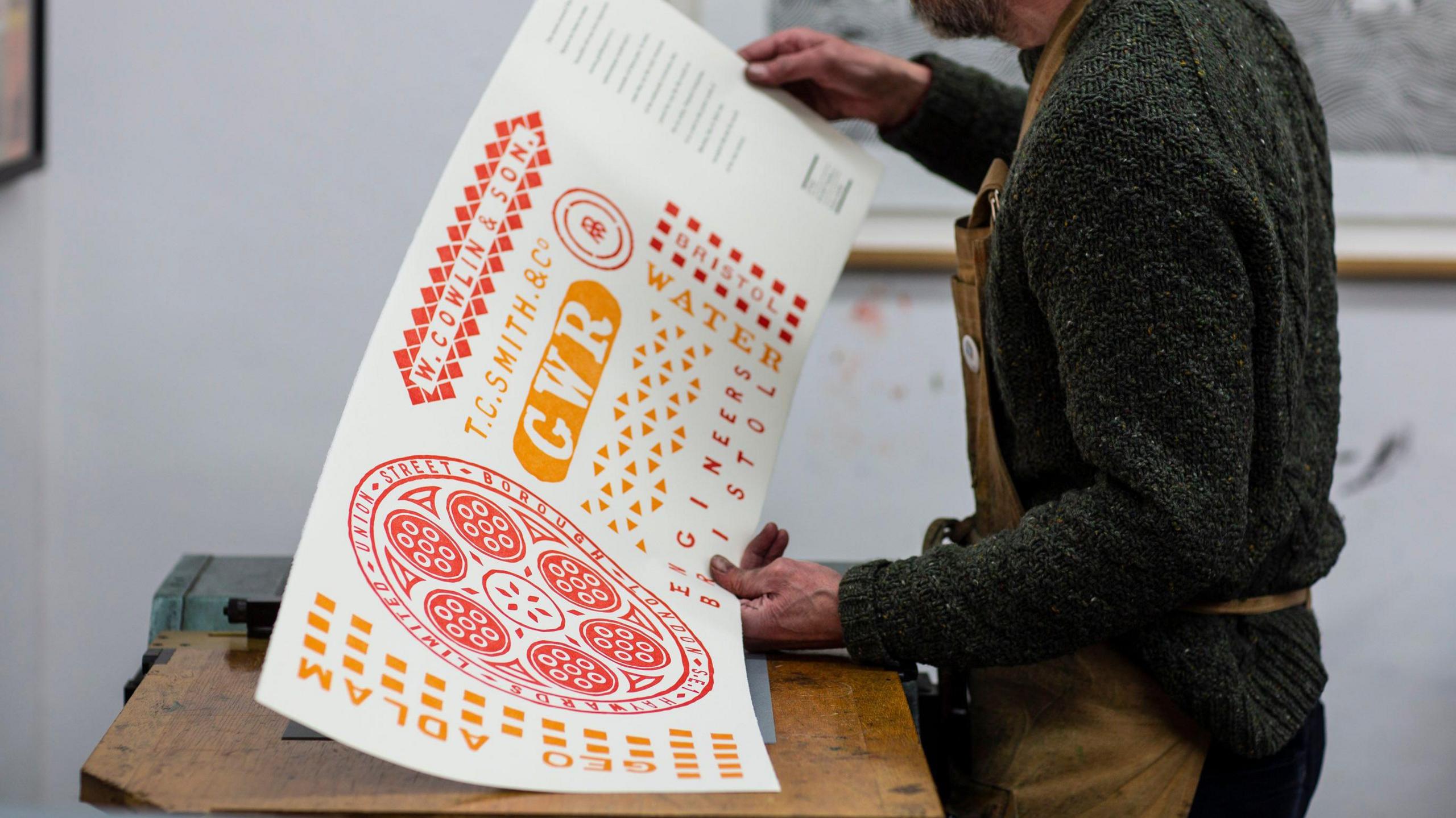 Image source, Jess Hand Photography
Letterpress printed commissions include album covers, menus, wedding invites, and event posters
The technique has only survived through private collectors and artisan printers like Nick Hand, who runs the Department of Small Works in Bristol.
His collection began when the last commercial letterpress printer in the city closed in 2012 and he intervened to prevent the historic equipment being melted down.
"Having a working knowledge of machines and how to use and repair them - once that's gone, it's gone forever," he explained.
"The machines are amazing pieces of engineering and it came frighteningly close to disappearing completely."
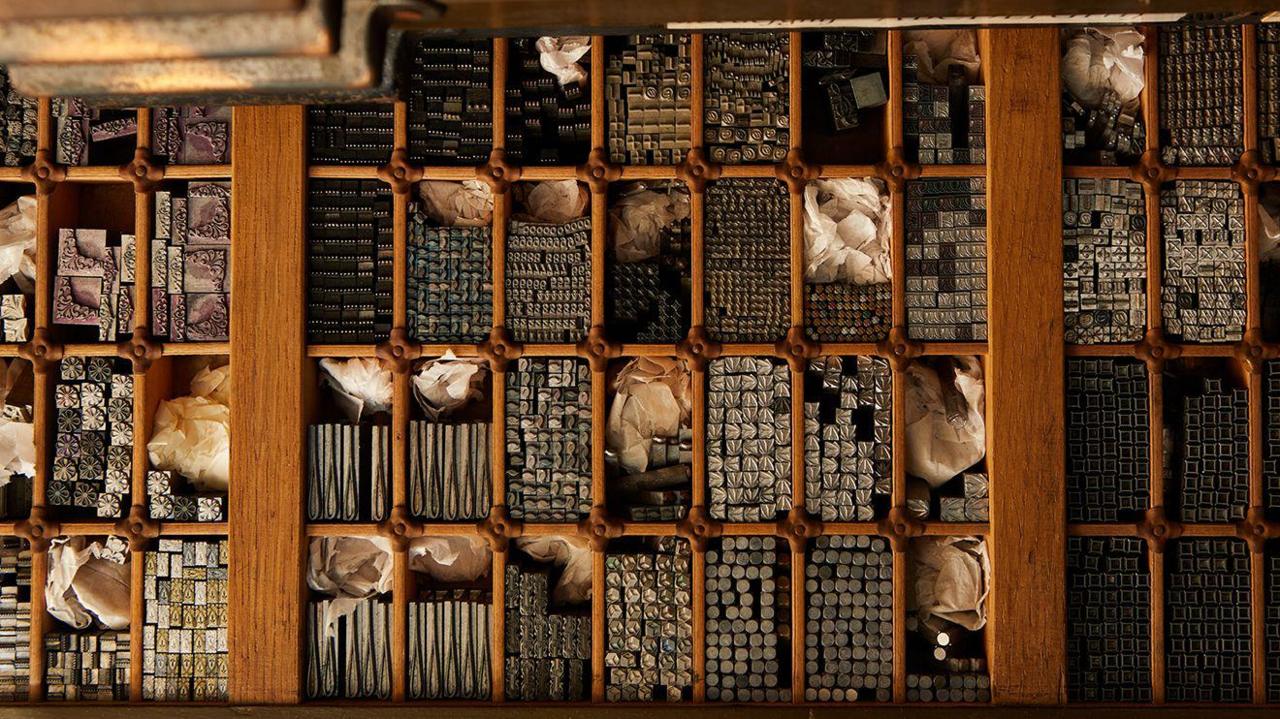 Image source, Jess Hand Photography
Hand's oldest piece of letterpress equipment dates back to 1831
Hand now runs a workshop housing more than 20 pieces of rescued equipment, running DIY classes, commercial commissions and collaborating with local artists.
Although the professional workforce is dwindling, he remains "optimistic" about its future, with plenty of young people showing an interest in apprenticeships.
"Nowadays, with the ways things are going with AI, people are searching for that satisfaction of working with your brain and your hands," he explained.
Echoing this sentiment is Charlie King, a reverse glass sign painter based in Tisbury, Wiltshire.
This early-to-mid 19th century craft involves applying artwork, lettering and gold leaf backwards onto glass panes, as often seen in traditional pubs or shop fronts.
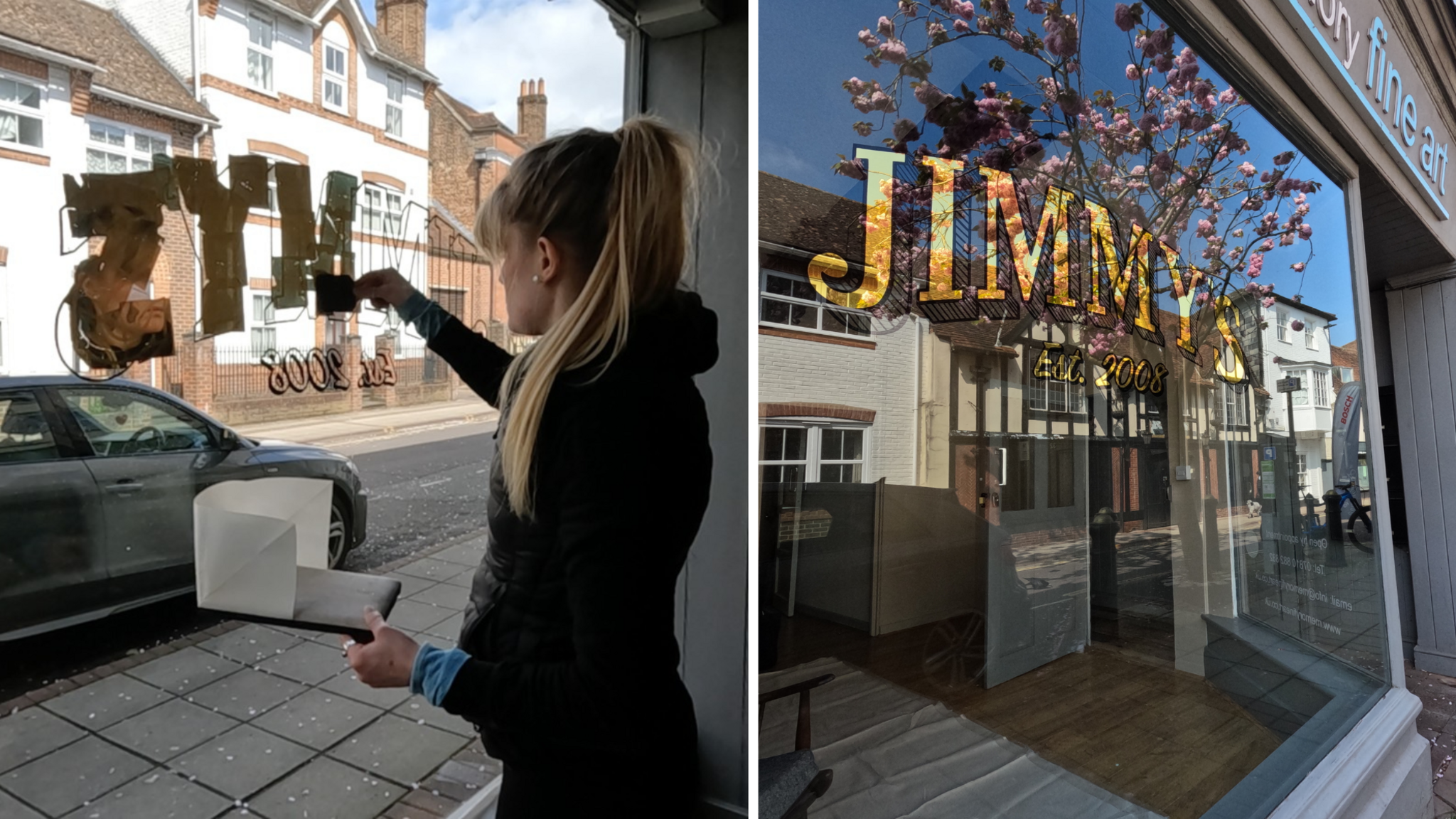 Image source, Artful Charlie
Charlie King says reverse glass sign painters are "very much few and far between"
"I think AI is impacting traditional trades in a way that is actually going to benefit us," King said.
"People are quite keen to have something a bit more antique and traditional.
"They are so bored of modern stuff - they want something that's got feeling and passion in it."
However, King added the price of genuine 23 carat gold leaf has "sky-rocketed, so it's not a cheap process to learn", and few are taking it up as more than a hobby.
"Sign writers, gilders - they're very, very much few and far between," she said.
Also on Heritage Crafts' red list is dry stone walling - an ancient method of building structures from interlocking stones without using any mortar.
The earliest evidence of these structures, often used to mark property boundaries and contain livestock, dates back 5,000 years.
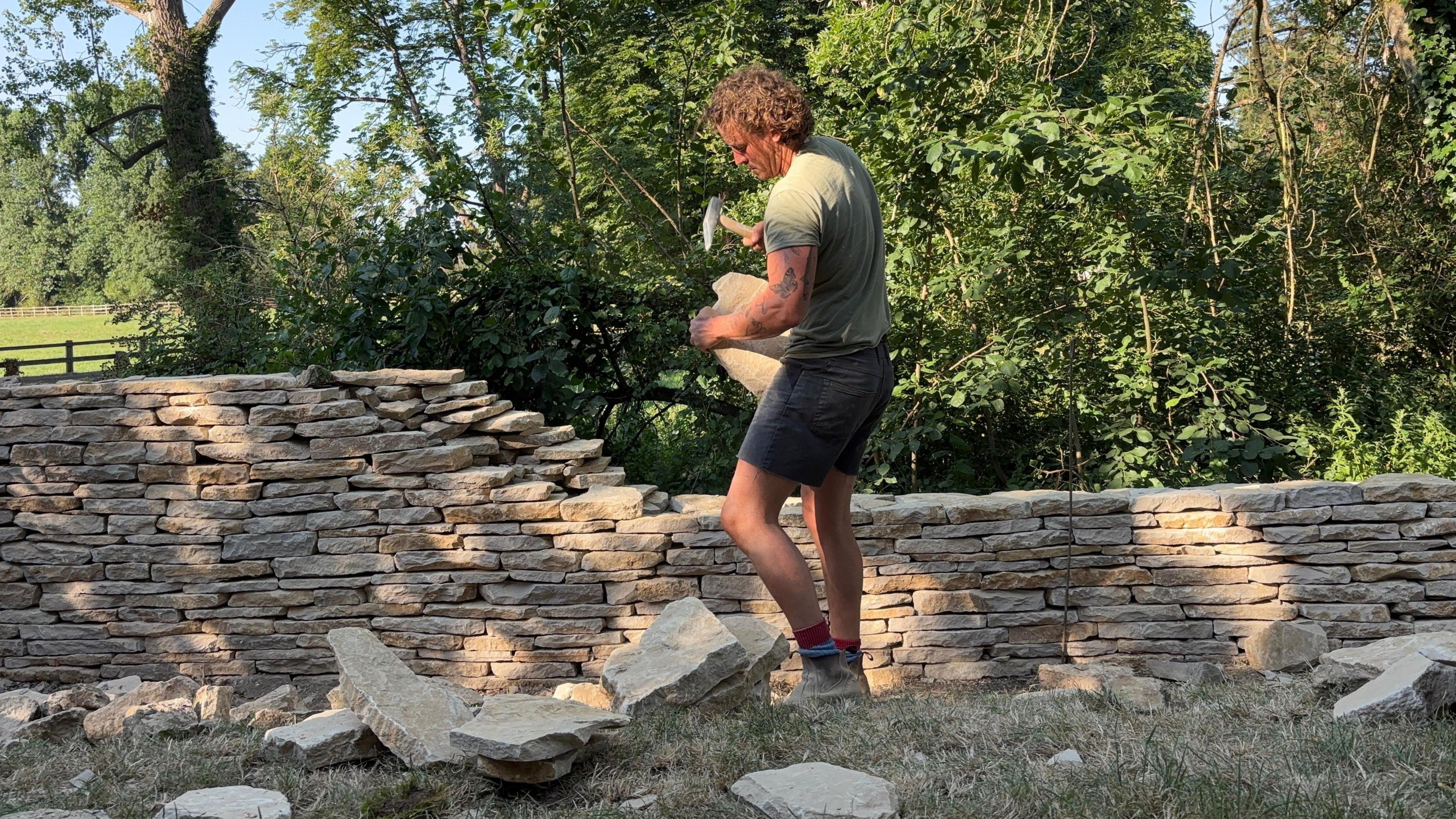 Image source, Joe Hanlon
Dry stone waller Joe Hanlon says people "admire the fact that it takes a bit of time"
Joe Hanlon, who runs Cotswold Dry Stone in Gloucestershire, says it has long been a "defining feature" of the local area, often featuring on picturesque postcards.
"It's a lovely thing to see and people appreciate it, even stopping to ask about it," he said.
"They admire the fact that it takes a bit of time and you're keeping a tradition alive."
Hanlon warned the barrier to entry is much higher than other construction trades such as bricklaying or carpentry, which are available as college diplomas.
But he believes the personalised touch and patience involved in traditional craftsmanship is precisely what continues to draw people to it.
"A lot of people have got almost a defining style of how they build their wall," he explained.
"There is a lot of skill and imagination involved. It's an art form, really."
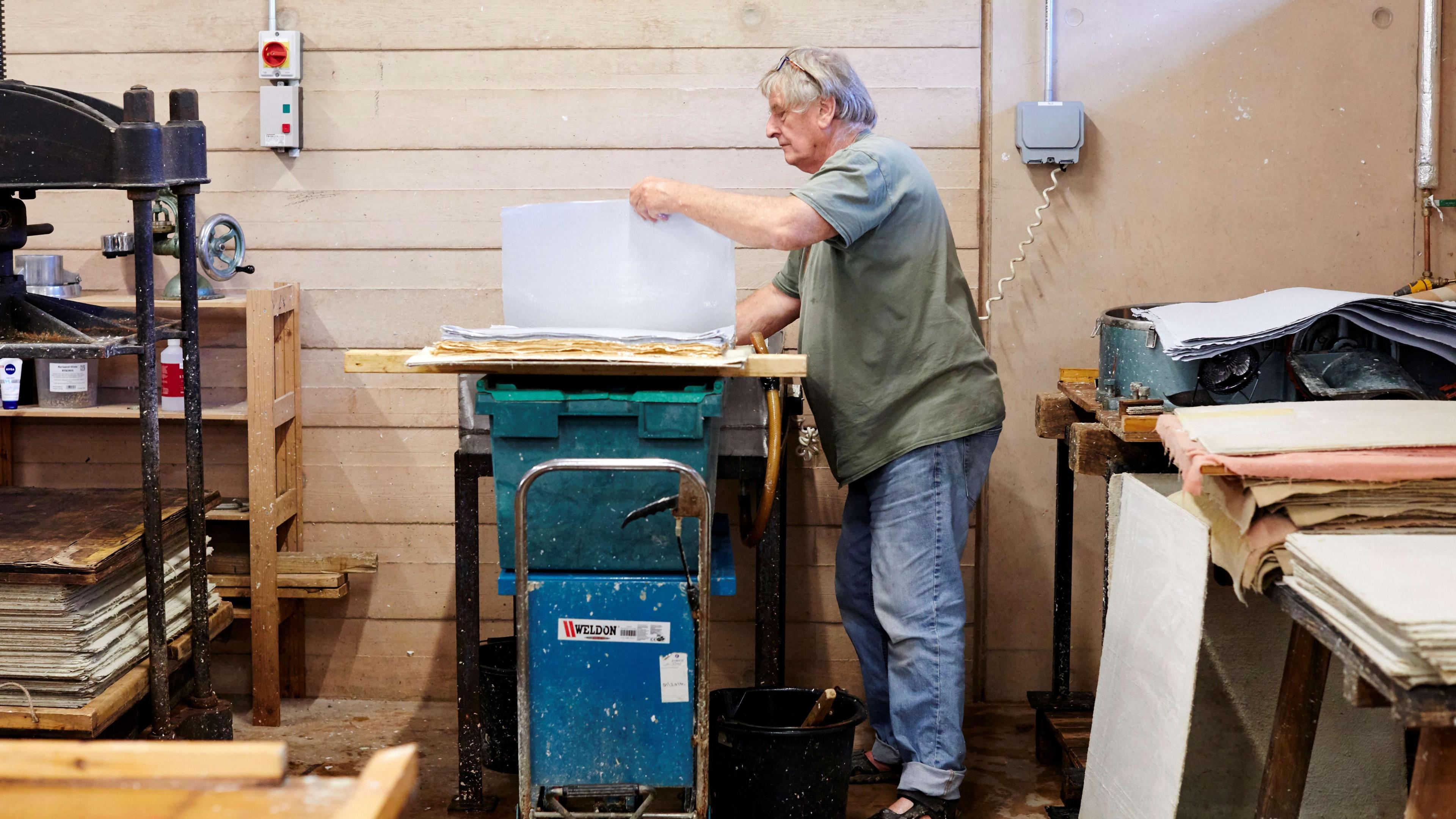 Image source, Carmel King
Jim Patterson says the appeal of handmade paper lies in its "inconsistency"
That demand for endearing imperfection is also helping to sustain one of the country's oldest papermaking traditions.
Jim Patterson, 79, owner of Two Rivers Paper in Watchet, Somerset, still makes paper using techniques that pre-date the invention of the paper machine in 1806.
Using unbleached cotton and linen rather than wood, the company produces paper by hand for fine artists, watercolour painters and bookbinders.
"The difference between anything that's made by hand, and that which is made on a machine, is the consistency of it," he said.
"We sell imperfection, and that's attractive for some. It's not 'unreliable', it's the measure of craftsmanship."
In an age of AI-generated images and machine-manufactured products, it may be those imperfections that keep some of Britain's oldest skills alive.
Get in touch
Tell us which stories we should cover in Somerset