1 hour ago
4
1 hour ago
4

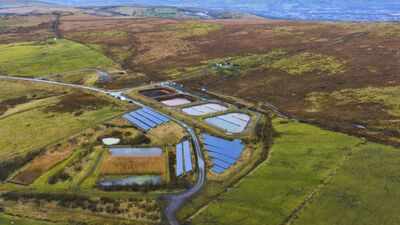
PC: Mining Remediation Authority
A long-derelict brownfield site in the heart of Chester is being prepared for a new residential development after mine water treatment by-product was reused to stabilise contaminated soil.The 5,200 square metre site was historically occupied by lead works and later used as a car park. It remained undeveloped because of legacy contamination, including lead-impacted soils and asbestos-containing materials.According to the Mining Remediation Authority, ochre produced during mine water treatment is being used to manage the contamination safely on site. The approach involves mixing the iron-rich material into the ground so contaminants remain bound within the soil.
Why is ochre being used at the former lead works site
The project uses ochre from the Mining Remediation Authority’s Deerplay mine water treatment scheme in Bacup, East Lancashire. Ochre is a naturally occurring iron-rich material produced during mine water treatment. The ochre is being supplied and applied in partnership with remediation specialist Rhodar at the former lead works site in Chester.The site covers 5,200 square metres and was later used as a car park.
It has remained undeveloped for years because of legacy contamination. The contaminated materials include lead-impacted soils and asbestos-containing materials.The remediation work uses ochre as part of a chemical stabilisation process. The material is mixed into the ground to bind contaminants within the soil and manage them on site.
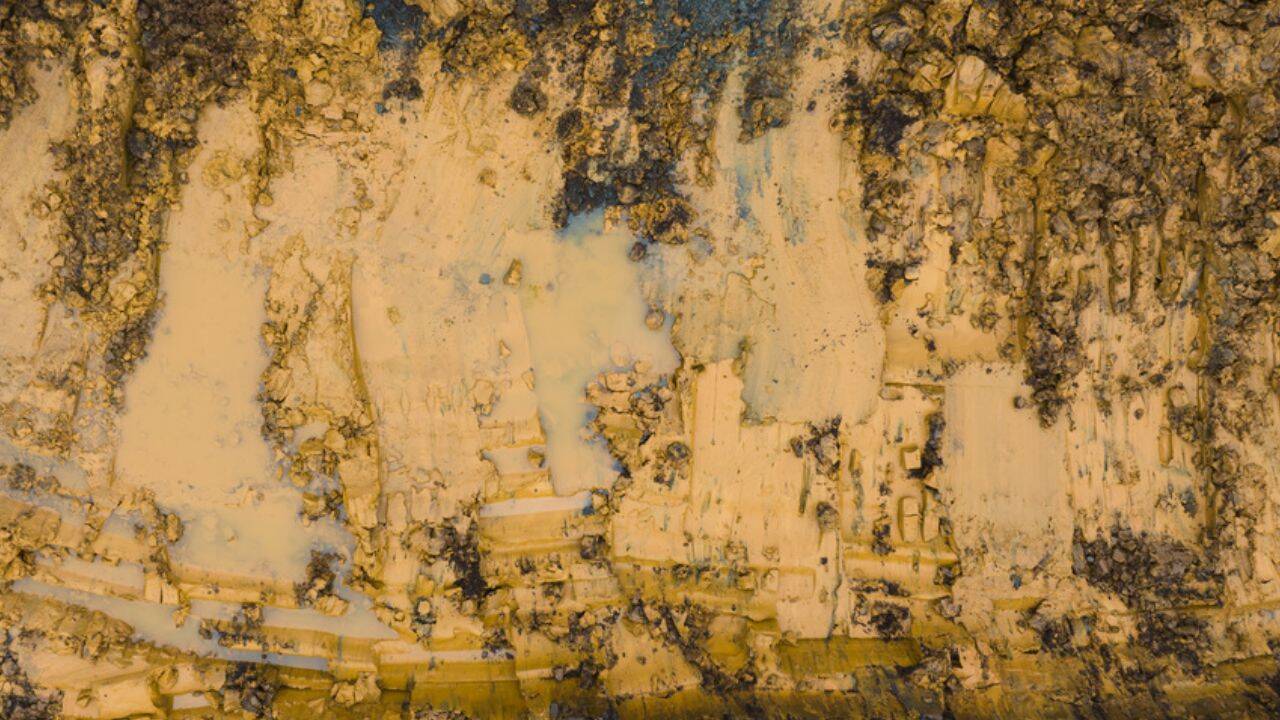
PC: Mining Remediation Authority
The ochre-based process helps contain lead and heavy metals
The chemical stabilisation process is designed to limit the movement of lead and other heavy metals within contaminated soil.
Ochre is mixed into the ground, where it helps bind the contaminants. This allows the contamination to be managed safely on site rather than excavated and removed.The Mining Remediation Authority has used ochre in contaminated-material treatment before. The approach was previously applied during the Mersey Gateway infrastructure project, where ochre supported the safe management of arsenic-contaminated soils at scale.At Chester, the remediation works address legacy contamination that had kept the brownfield land undeveloped. The work is intended to prepare the former lead works site for its proposed residential use while managing the contamination safely within the ground locally.
How will the remediation help bring 126 new apartments to the site
The remediation works will enable a proposed residential development of 126 new apartments at a prime city-centre location. The project is also intended to support regeneration while reducing environmental impact.
Repurposing ochre gives a mine water treatment by-product a second use instead of treating it as waste.The Mining Remediation Authority said this approach supports circular-economy principles. It also reduces waste, vehicle movements and carbon emissions associated with traditional remediation approaches. The project lead, James White, said“This project demonstrates how materials produced through mine water treatment can be reused to address complex contamination challenges.
Repurposing ochre to help stabilise heavy metals is reducing risk, cutting waste and supporting safe regeneration of an important city-centre site”.
How is ochre being reused to help redevelop the Chester site
The ochre being used in Chester comes from the Deerplay mine water treatment scheme in Bacup, East Lancashire. The material is collected as a by-product of the treatment process and is now being used in the remediation of contaminated land. The work connects mine water treatment with the redevelopment of a former industrial site that has remained unused for years.At Chester, the ochre-based stabilisation process means contamination can be managed on site instead of being excavated and removed. The proposed 126-apartment development can then move forward following the remediation works.The project also demonstrates the organisation’s wider use of ochre in contaminated-material treatment, including its earlier use at the Mersey Gateway infrastructure project to support management of arsenic-contaminated soils.