.png) 4 weeks ago
30
4 weeks ago
30

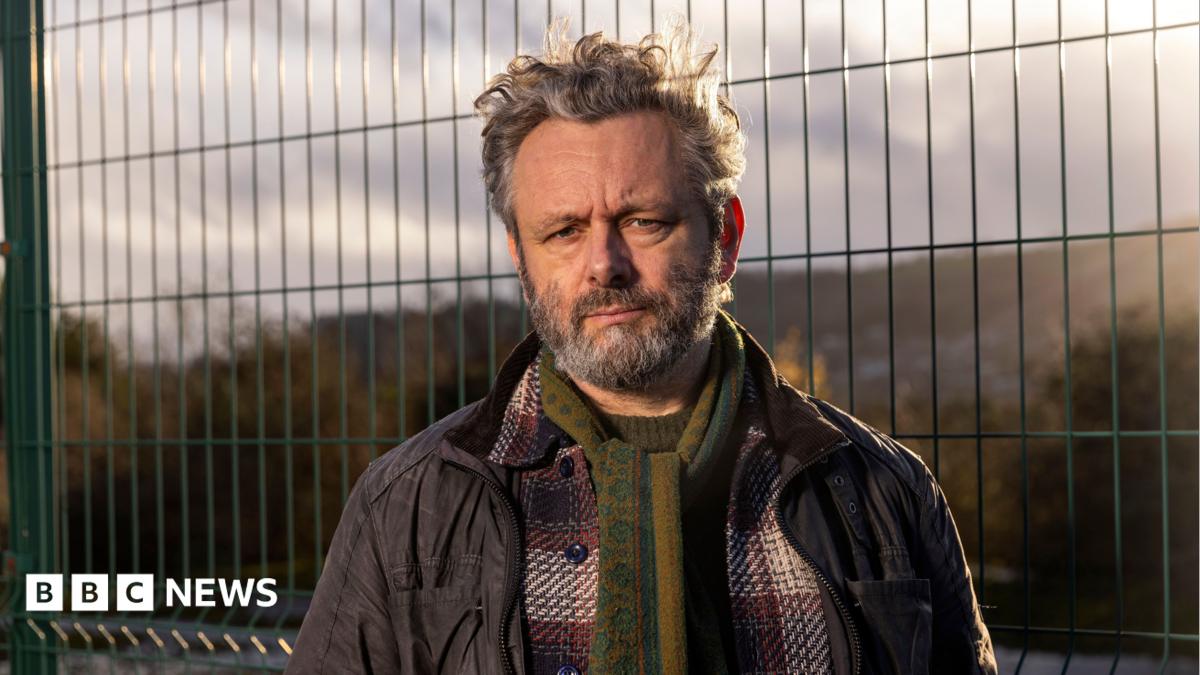
Prime Minister Andy Burnham running near his house in Warrington, Cheshire. Picture date: Saturday July 25, 2026. (Photo by Ryan Jenkinson/PA Images via Getty Images)
Ryan Jenkinson - Pa Images | Pa Images | Getty Images
The U.K.'s new prime minister, Andy Burnham, said he would be willing to call out U.S. President Donald Trump to defend the U.K.'s national interest, as he set the tone for the key trans-Atlantic relationship.
Speaking to the BBC in an interview aired Sunday, Burnham said he had a phone conversation with Trump on Monday when he officially took on the role, describing it as "a good exchange" and that he found Trump "warm".
"We will continue to build the relationship as we go forward," Burnham added.
Asked if Burnham would place his trust in Trump, Burnham said: "it's a changing world isn't it, and you just obviously have to call things as they develop".
Trump has frequently criticized the U.K., among other European and NATO allies, for not pulling their weight in the U.S.-led war on Iran.
But Trump has welcomed Burnham's plan to fast-track oil and gas exploration in already-licensed fields in the North Sea. Writing on Truth Social last week, Trump called North Sea oil "invaluable," adding it will take the U.K. from a "Poverty Stricken Disaster, to one of the Richest Countries anywhere in the World!"
Trump had criticized Burnham's predecessor, Keir Starmer, over the U.K.'s energy policy. In an interview with The Telegraph newspaper in April, Trump said: "All Starmer wants is costly windmills that are driving your energy prices through the roof."
Starmer announced last month that he would step down from his post. His two years in office were marked by a series of policy U-turns, scandals over staffing appointments and a dramatic loss in Britain's local elections which sparked calls for his resignation from within his own ranks.
MANCHESTER, ENGLAND - JULY 24: Andy Burnham leaves No 10 North at Heron House on July 24, 2026 in Manchester, England. (Photo by Ryan Jenkinson - Getty Images)
Ryan Jenkinson | Getty Images News | Getty Images
Asked by BBC journalist Laura Kuenssberg if he would call out Trump if it was the right thing to do, Burnham said, "of course", and added: "You have to defend your own national interest before anything else. That's what you're required to do if you're to do this job properly."
"I can't at any point say that I won't take a different opinion from him, that I will need to voice a different idea that is right for Britain," Burnham said.
Defense spending
Burnham declined to be drawn on a date for raising defense spending to 3% of GDP.
John Healey, the U.K.'s new finance minister – known as the Chancellor of the Exchequer – under Burnham, is expected to see defense spending as a priority. Healey's appointment as Burnham's second-in-command came just weeks after he resigned as Starmer's defense minister, citing his view that the government was "unwilling to commit the resources that the nation needs to defend the country."
Burnham said: "I appointed my new chancellor very aware of what he had said about the critical importance of defense spending and the position that he had taken about that.
"The first challenge facing us both is to ensure that the defense investment plan is fully funded and that's the thing that's right in front of us and we need to work that through as we go towards the budget later this year."
Starmer had announced in June an extra £15 billion ($19.9 billion) in defense spending over the next four years as part of the U.K.'s Defence Investment Plan (DIP), which will lift annual spending to £79.1 billion by 2029, or 2.7% of GDP.
The DIP is intended to bolster the U.K.'s military capability, its nuclear deterrent and industrial capacity, while making way for greater technical investment in areas like cybersecurity, drones and AI.
But analysts warn that high levels of public debt and the highest borrowing costs among its G7 peers could constrain the new government's ability to dramatically boost spending.