3 weeks ago
25
3 weeks ago
25

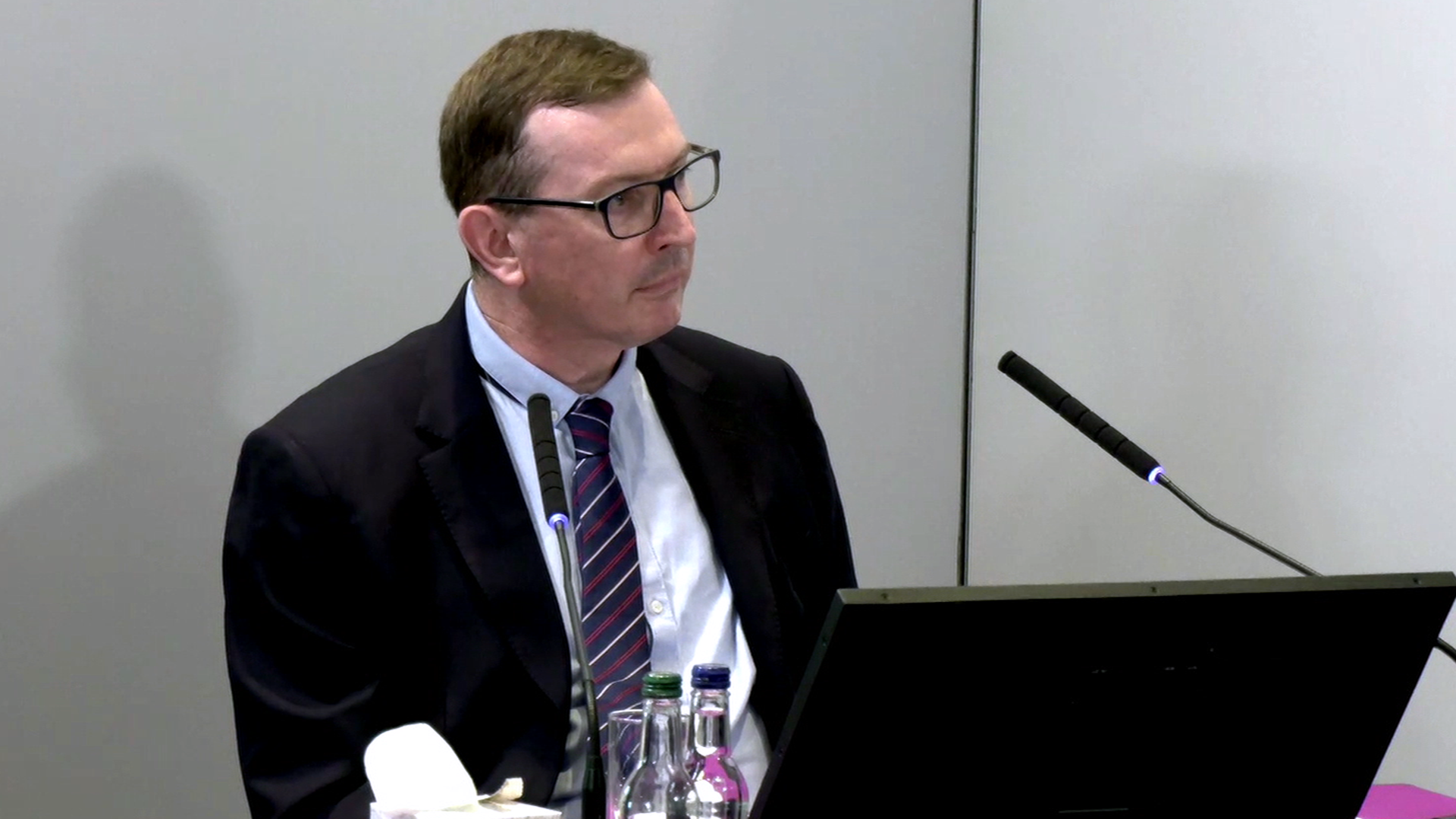 Image source, Lampard Inquiry
Brian O'Donnell told the Lampard Inquiry he had worked in child and adolescent mental health services in Essex for more than 20 years
By
East of England health correspondent
A senior clinical manager at the trust that runs mental health services in Essex says he was told 4,000 unresolved patient safety reports needed to be "gone", while a public inquiry was under way.
Giving evidence to the Lampard Inquiry, Brian O'Donnell, a clinical lead at the St Aubyn Centre in Colchester, said he believed the trust was "panicking" and also accused it of a "cover up" to stop him from speaking out.
The inquiry was set up following the deaths of more than 2,000 mental health patients over a 24-year period.
Essex Partnership University NHS Foundation Trust (EPUT) told the BBC: "All reports are taken seriously, recorded and investigated."
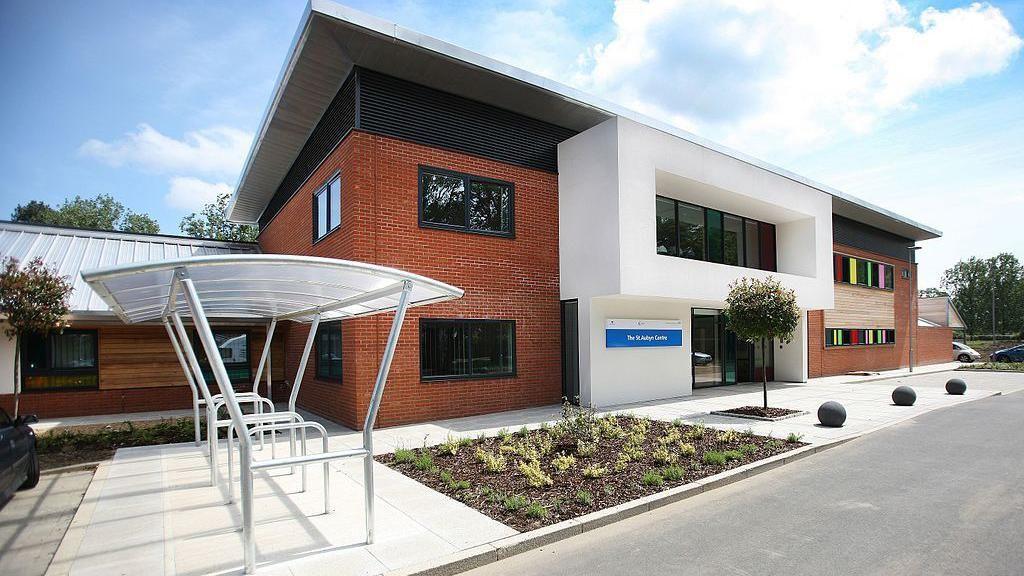 Image source, EPUT
The St Aubyn Centre, which opened in 2012, is a child and adolescent mental health unit
O'Donnell told the inquiry that, at the end of 2024, he was asked to review thousands of incident reports raised by staff, some dating back to 2021.
He said he was instructed by a senior member of staff, who said: 'We need to get these gone'."
He said they included incidents involving self-harm, assaults on staff and racial abuse.
"The first thing that popped into my head was there's an inquiry going on and they're panicking about these because no-one's looked at them - that was my first thought and that's what I still think."
Talking about the way the trust acted at the time, he said: "There wasn't, 'Can there be a thorough investigation of these and can you feed back?' It was, 'We need these gone, we need these processed and we need them gone.'"
O'Donnell said he initially closed some of the reports but stopped after becoming uncomfortable.
"I thought, I can't put my name to this and say I've thoroughly investigated it because I haven't," he told the inquiry.
Asked what happened to the remaining reports, he said: "They sat on my dashboard for a very long time then disappeared one day. I don't know whether they've been dealt with. I doubt it."
O'Donnell also raised concerns about staffing levels.
He said staff who reported concerns were often seen as "a nuisance or a trouble-maker".
"You're not allowed to talk about staffing issues," he said.
O'Donnell told the inquiry a staffing rota he drew up still showed gaps even when all staff were theoretically available.
"It was very clear that we were short of staff. We'd been raising concerns for a very long time," he said.
 Image source, Family handout
Elise Sebastian died in 2021 after being found unresponsive at the St Aubyn centre in Colchester
He told the inquiry he believed there had been an attempt to silence him after he raised concerns with a coroner following the death of 16-year-old Elise Sebastian.
He said his access to incident reporting systems was removed four days later.
"It was a clear cover up to try and silence me from speaking out," he said. EPUT did not respond to this specific allegation.
O'Donnell also alleged staff were told to say "as little as possible at inquests" and that the trust seemed to care "more about its reputation than someone having the courage to speak up".
Asked why he had chosen to give evidence, O'Donnell said: "I think we owe it to the families."
Trevor Smith, chief executive of EPUT, said staff had "a professional duty to report concerns" and that extensive work had taken place to create a culture where colleagues and patients felt able to raise issues.
"All reports are taken seriously, recorded and investigated," he said.
Do you have a story suggestion for Essex? Contact us below.