2 months ago
28
2 months ago
28

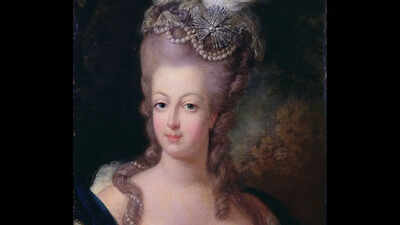
Marie Antoinette (Image: Wikipedia)
Every generation believes it is living through unusually stressful times.People worry about work. They worry about money. They worry about the future. News headlines arrive faster than ever, carrying stories about crises, conflicts, economic uncertainty and social change.
A single day can feel emotionally exhausting before lunchtime arrives.In moments like these, panic spreads quickly.One anxious person affects another. A rumour becomes a certainty. A small problem suddenly feels enormous. Emotions take over, and clear thinking quietly slips away.That is why a quote often attributed to Marie Antoinette continues to resonate centuries after her lifetime:“When everyone else is losing their heads, it is important to keep yours.”The line sounds simple. Almost obvious. Yet history suggests that remaining calm when everyone else is overwhelmed may be one of the hardest things a person can do. Human beings naturally react to the emotions around them. Fear spreads. Anger spreads. Panic spreads.Calmness is different.Calmness usually requires effort.It requires resisting the emotional current pulling everyone else in the same direction.
Perhaps that is why the quote continues to attract attention. It speaks to something people experience repeatedly throughout life. Whether the challenge involves work, relationships, family difficulties or major world events, the ability to remain composed often determines how successfully people navigate difficult situations.The quote is not really about avoiding emotions. It is about refusing to let emotions take complete control.That distinction matters.
Quote of the day by Marie Antoinette
“When everyone else is losing their heads, it is important to keep yours”
Understand the meaning of the quote by Marie Antoinette
At its heart, the quote appears to be about maintaining perspective during moments of chaos.Most people can think of situations where emotions completely changed the outcome of an event. A disagreement becomes an argument because nobody pauses to think. A financial decision turns into a mistake because panic takes over. A workplace problem grows larger because everyone reacts emotionally instead of rationally.Marie Antoinette's observation suggests that difficult situations demand calm minds more than emotional reactions.That sounds straightforward in theory.Real life makes it much harder.When people around us become anxious, we often absorb their anxiety. When everyone appears worried, remaining calm can almost feel unnatural. Yet history repeatedly shows that the individuals who think clearly during turbulent moments are often the ones who find solutions.The quote does not promise that calmness will eliminate problems.It simply suggests that panic rarely improves them.Keeping your head means maintaining judgment when others lose theirs. It means resisting the temptation to react impulsively. It means creating enough mental space to think before acting.That ability can be surprisingly valuable.
The phrase feels especially powerful because of Marie Antoinette's story
Few historical figures remain as widely discussed as Marie Antoinette.Marie Antoinette lived during one of the most dramatic periods in French history. She became Queen of France at a time when political tensions, economic struggles and public dissatisfaction were growing rapidly.Eventually, those tensions erupted into the French Revolution, one of the most significant political upheavals in modern history.Whether the quote was spoken exactly as it is repeated today is debated by historians.
Yet the message feels closely connected to the lessons people often draw from turbulent historical periods.Times of uncertainty test character. They reveal how people respond under pressure. Some react emotionally. Others remain focused. History tends to remember both.What makes the quote fascinating is that it applies equally well to ordinary life. Most people will never experience a revolution. They will, however, experience uncertainty, stress and unexpected challenges.The need for composure remains universal.
Why panic is often more dangerous than the problem itself
There is an old observation that fear sometimes causes more damage than the thing people fear.It sounds exaggerated until you start noticing how often it happens. Investors panic and sell at the wrong moment. Drivers make poor decisions because they react suddenly. Arguments escalate because neither side takes a moment to breathe and think.The original problem may have been manageable. The emotional response creates something larger.Psychologists have studied this phenomenon for years. Under stress, people often become less capable of rational decision-making. The brain shifts into survival mode. Attention narrows. Long-term thinking disappears.This is not necessarily a flaw. Human beings evolved to respond quickly to threats.The challenge is that modern problems often require thoughtful responses rather than immediate reactions.The quote seems to recognise this reality.When everyone else is overwhelmed, the person who remains calm gains a significant advantage. They can evaluate options more clearly. They can spot opportunities others miss. They can avoid mistakes driven by panic.That does not make them fearless. It simply makes them more deliberate.
Calmness is often misunderstood
People sometimes assume calm individuals are naturally relaxed.That is not always true.Many calm people feel the same fears and worries as everyone else. The difference lies in how they manage those emotions.A firefighter entering a dangerous situation may feel fear. A surgeon performing a difficult operation may feel pressure. A business owner facing uncertainty may feel anxiety.Calmness does not mean the absence of emotion. It means functioning effectively despite emotion.That distinction is important because it makes the skill accessible to everyone.Nobody is born completely immune to stress.The people who appear composed often develop habits that help them maintain perspective. They focus on facts rather than rumours. They avoid making major decisions while emotional. They recognise that panic rarely improves outcomes.Over time, those habits become strengths.
Everyday moments where the quote comes to life
One reason this quote remains popular is that its lessons appear in ordinary situations constantly.Imagine a workplace where unexpected changes create uncertainty. Some employees immediately assume the worst. Rumours spread. Anxiety grows. Yet one person chooses a different approach. They gather information. They ask questions. They focus on what can actually be controlled.That individual often becomes a stabilising influence for everyone else.The same thing happens in families.A crisis emerges. Emotions run high. People react impulsively.
Yet one family member remains steady and practical. They help organise solutions rather than contribute to confusion.Their calmness becomes valuable. Not because they possess special powers. Because clear thinking becomes rare when emotions dominate. The quote captures this dynamic beautifully.
Leadership often begins with emotional control
Many people associate leadership with charisma, intelligence or authority.Those qualities matter. Yet emotional control may be equally important.When uncertainty appears, people naturally look for reassurance. They observe how others respond. Leaders who panic often spread panic. Leaders who remain calm frequently help others regain perspective.This does not mean pretending problems do not exist. In fact, false optimism can be just as dangerous as panic.The goal is balance.Acknowledging reality while maintaining composure. Recognising challenges without becoming consumed by them.Some of the most respected leaders in history earned admiration not because circumstances were easy but because they remained steady when circumstances became difficult.That ability tends to inspire confidence.
Other famous quotes by Marie Antoinette
- “Courage! I have shown it for years; think you I shall lose it at the moment when my sufferings are to end?”
- “I was a queen, and you took away my crown; a wife, and you killed my husband; a mother, and you deprived me of my children.”
- “Nothing is new except what has been forgotten.”
- “There is nothing new except what has been forgotten.”
Why this message continues to resonate centuries later
Some historical quotes survive because they belong to famous people. Others survive because they describe human behaviour so accurately that each new generation discovers them again.This quote seems to belong in the second category.The world has changed dramatically since Marie Antoinette's time. Technology, communication and society have all evolved in ways she could never have imagined.Human nature, though, remains remarkably familiar. People still worry. They still overreact. They still struggle with uncertainty. They still face moments when emotions threaten to overwhelm good judgment. That is why the message continues to feel relevant.It offers a reminder that composure is not weakness. Calmness is not passivity. Keeping your head does not mean ignoring reality.It means facing reality without surrendering control of your thinking.In a noisy world filled with opinions, fears and constant distractions, that may be one of the most valuable skills a person can develop.The challenges people face will always change. New problems will replace old ones.
Unexpected events will continue disrupting carefully made plans.Yet the individuals who remain steady while others panic often find themselves in the best position to move forward.Perhaps that is the lasting wisdom hidden inside the quote.When everyone else is losing their heads, keeping yours is not simply helpful.It can change everything.