
 5 months ago
57
5 months ago
57

Chris MasonPolitical editor

 PA Media
Right now in government, contingency planning is the order of the day.
At the heart of it all, a flotilla of questions that begin with "what if?"
The implications and consequences of the Iran war are already huge and hanging over everything is the biggest unanswered question of all: how long will this go on for?
Ministers are guessing, just like the rest of us.
For Chancellor Rachel Reeves there is an economic shock to react to, in real time.
In the Commons later, she will focus on the domestic impact of the ongoing situation in the Middle East.
I am told there will be three elements to her address to MPs, beginning with a short update on how the war is affecting the economy.
There will also be a section on energy security, with a promise to crack on with delivering new nuclear power stations. The legislation to allow this to happen is expected later this year and will be set out in the King's Speech in May.
What is described as "a new anti profiteering framework" will be set out too, which could give the regulator, the Competition and Markets Authority, new time limited and targeted powers to tackle companies proved to be exploiting price rises to rip customers off.
Reeves will then talk about the principles that will drive any further support to families if energy bills spiral in the coming months. Given the energy price cap on gas and electricity is in place until the end of June, ministers have time to work out what might be feasible, affordable and necessary.
The chancellor will indicate that she believes it wouldn't be fair or affordable, in all likelihood, to offer every household help.
There was universal support provided when Liz Truss was prime minister, not long after Russia's full scale invasion of Ukraine, which had huge consequences for the public finances given its cost.
And this came not long after the vast government interventions during the pandemic.
People still argue about whether those interventions were a good idea or not, but put both of them together and they help explain why the cost of paying the interest on the national debt amounts to about £1 in every ten that the government spends.
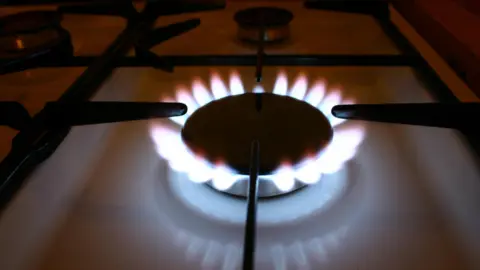
There are fears energy bills could spiral in the months ahead
Another message we can expect to hear from ministers amounts to, as one figure put it to me, "going gangbusters on renewables and nuclear".
With the Conservatives, Reform UK and some Labour MPs calling for new drilling for oil and gas to be authorised in the North Sea, the Energy Secretary Ed Miliband told a meeting of Labour backbenchers last night: "Anyone who tells you that new licences in the North Sea will make any difference to price is not telling you the truth. Because gas is bought and sold on the international market and the price is set there."
Miliband's focus today is on plug in solar panels, which he says will be available to buy in the UK later this year. These are expected to be for sale in supermarkets in the next few months, cost a few hundred pounds and be able to be put up on balconies or in gardens.
The energy secretary's team look enviously at their popularity in Germany and how Spain is less vulnerable to gas price fluctuations because of its embrace of renewables.
Meanwhile, in the Middle East, the war continues.
Ministers walk a tightrope of preparing for various scenarios, updating us on what they are doing or willing to do and hoping they don't induce any sense of panic or alarm.



