1 year ago
48
1 year ago
48

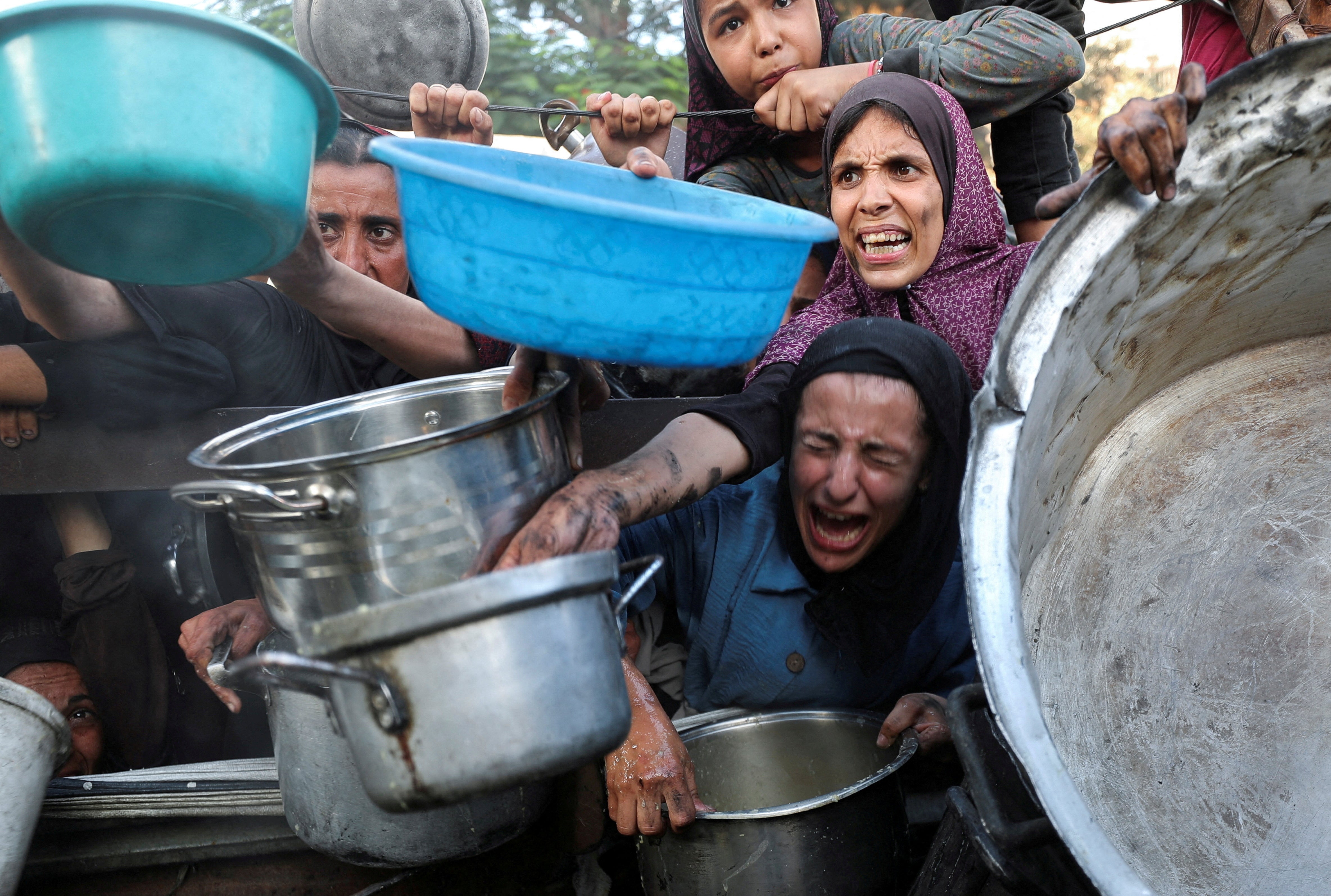
Starving Palestinians have described the unfolding horror in Gaza as catastrophic levels of hunger forces them to risk death for aid and trade their personal gold for flour.
Growing levels of starvation in the Gaza Strip have tipped over the edge in recent days. Most of the 111 hunger-related deaths have come in recent weeks, and 80 were children, according to Palestinian health officials.
Israel has imposed heavy restrictions on the amount of food and aid allowed to enter Gaza, limiting aid to a handful of trucks each day following a total 11-week blockade earlier this year. UN officials say the aid delivered into the strip is a drop in the ocean of what is needed.
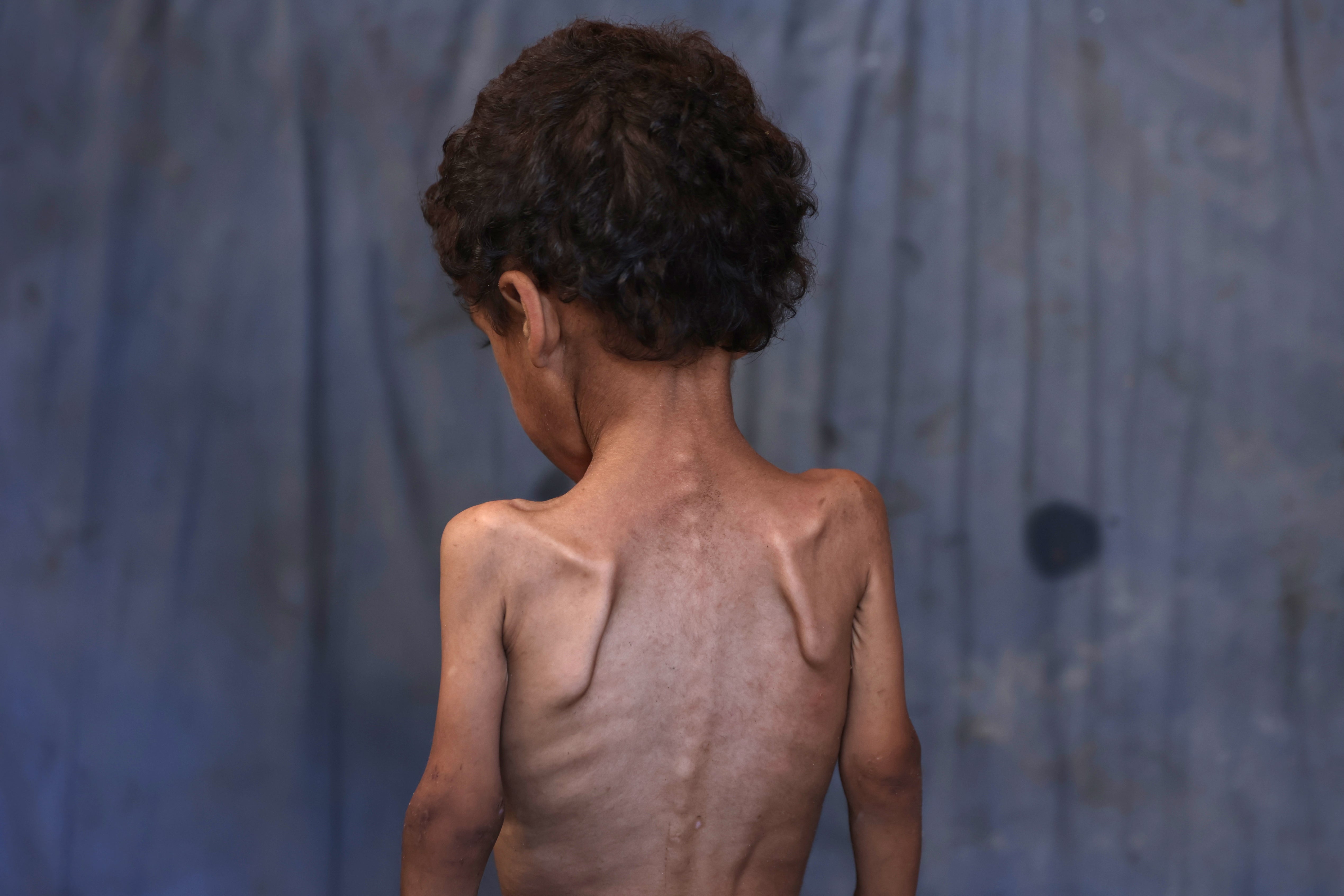
Israeli forces have killed hundreds of Palestinians as they rushed to secure food from the limited number of aid trucks, according to those on the ground, drawing widespread condemnation, including from many of its own allies.
As more than 100 human rights groups and charities demanded more aid in a letter on Wednesday, The Independent has spoken to Palestinians suffering daily as they look to provide for their starving families.
“We are living in hunger and daily suffering, as prices have risen in an insane way that no Gazan citizen, whether employed or unemployed, can bear, in a way that is beyond comprehension,” said Wajih Al-Najjar, 70, from Gaza City, the breadwinner for a family of 13.
“People are forced to go to death in search of some aid,” he said, lamenting the “insane” price spiral of flour, which he says has shot up from 35 shekels (£7.74) to up to 180 shekels (£39.80) per kilo.
Mr Najjar, who has lost one quarter of his bodyweight - dropping from 85kg to 62kg - says he can not get a full meal for himself. “So what about children who need food more than three times a day?” he told The Independent.
The 70-year-old recalled his grandchildren asking him to buy flour, which he could not afford. He divided the family’s remaining bread among them, but it was not enough to satisfy their desperate hunger.
“We have all become hungry and can barely eat one meal a day if we can afford it. We no longer even talk about sugar, as its market price has reached nearly $100 per kilo,” Mr Najjar said.
He explained that vegetables and fruits are also at exorbitant prices. “We are the poorest geographical area and we have the most expensive food commodities in the world.”
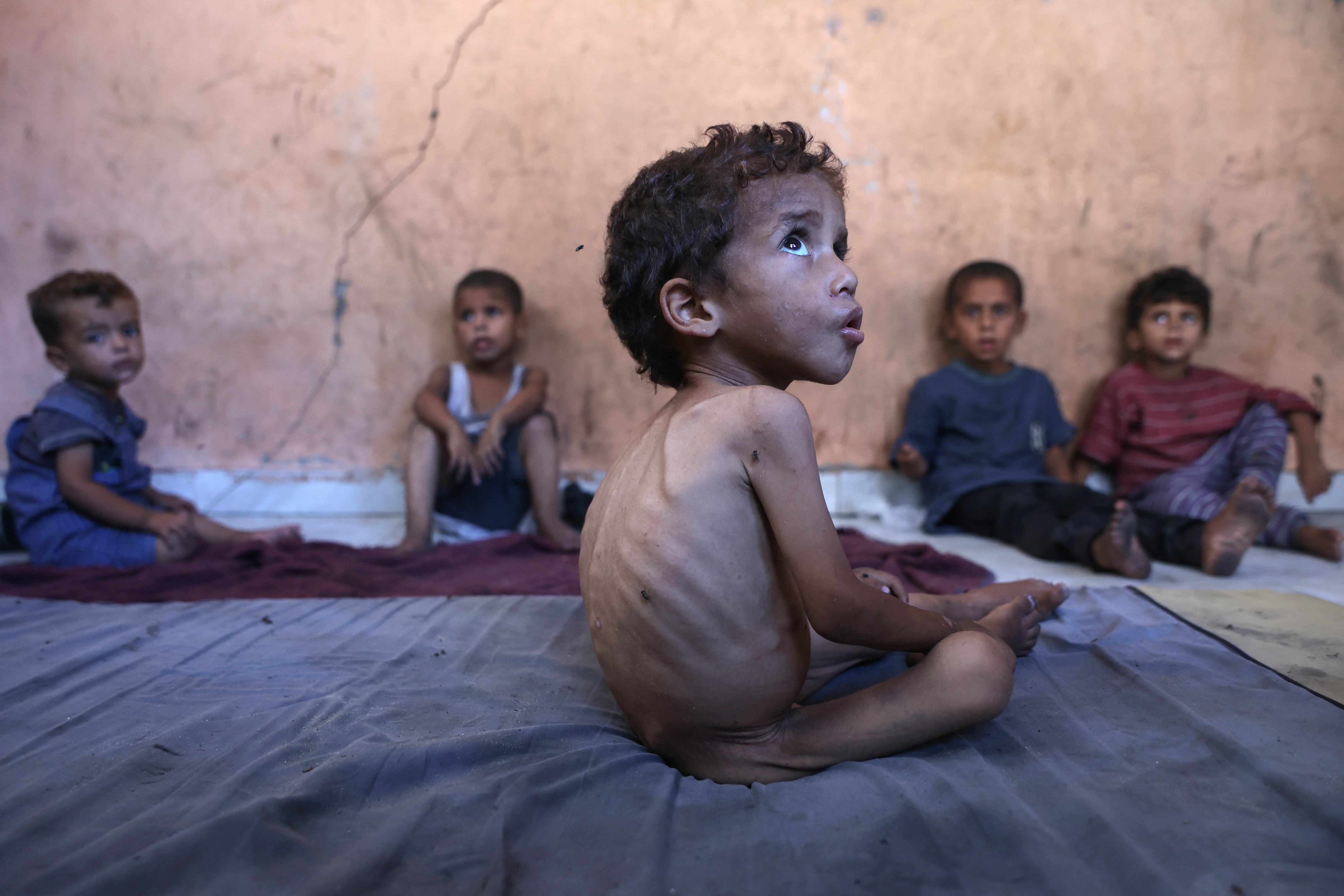
“We appeal to the entire world to work to bring in aid as soon as possible so that our children do not die. We want the world to pressure the occupation to allow the entry of humanitarian aid,” Mr Najjar appealed to the international community. “The food we eat is not suitable for our bodies. We are all suffering from [being] underweight.”
Hanaa Almadhoun, 40, told the BBC that Gazans are trading their personal possessions, including their gold, to pay for flour. Flour is the “basis of everything”, she said, but it is “expensive and difficult to secure”.
Prices continue to rise beyond control and food scarcity has soared to an unprecedented level in the Gaza Strip, in the 21st month of a destructive Israeli invasion and bombardment which Palestinian health officials say has killed more than 60,000 people.
The war and invasion began on October 7, in response to attacks on Israel by the Hamas militants that killed 1,200 people and captured at least 250 hostages in October 2023.
Ihab Abdullah, a 43-year-old university lecturer who is the breadwinner for nine family members, said every night before he goes to sleep, he asks: “How will I provide for my children today? I can bear the hunger, but what about my children?”
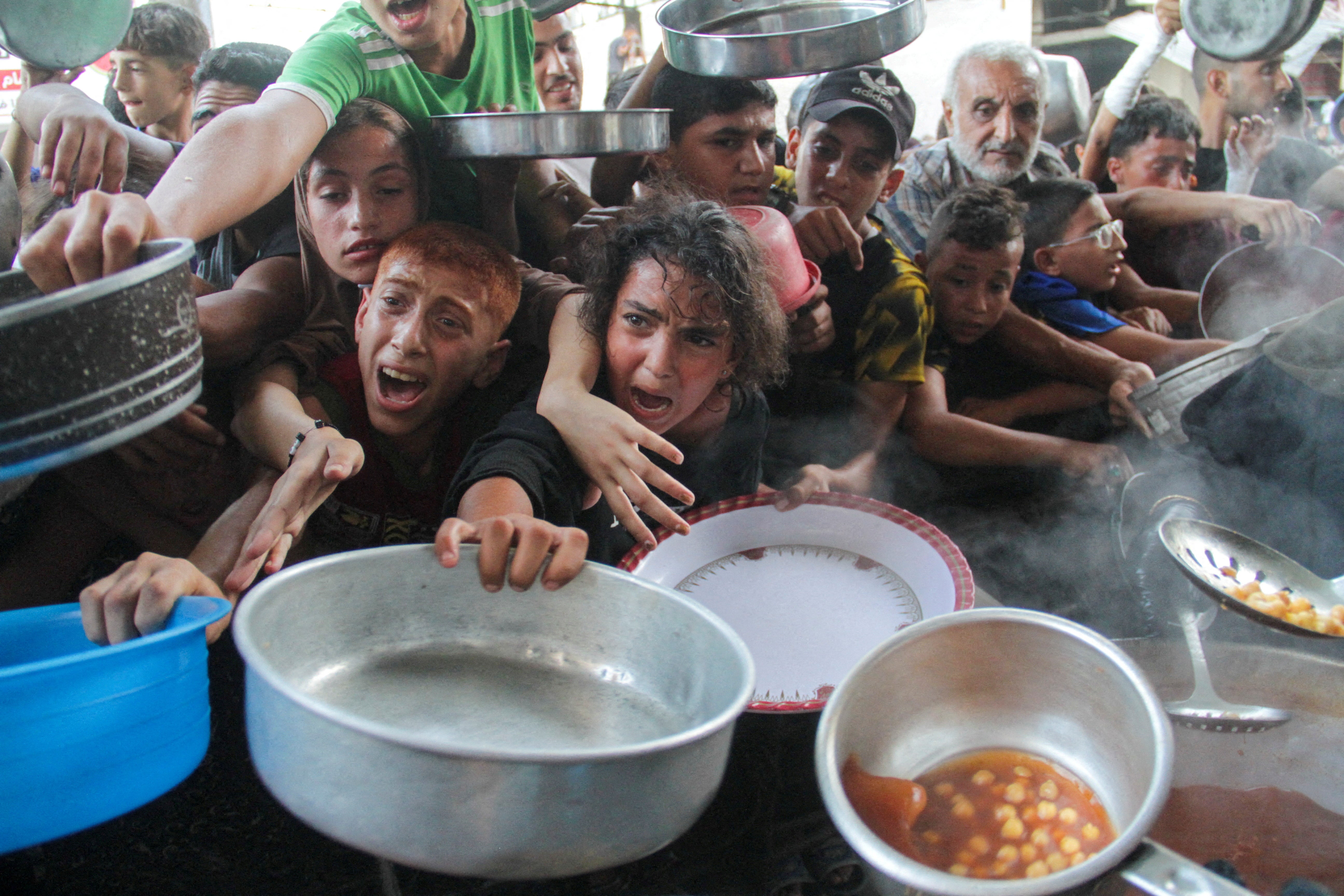
“We have become unable to buy or find food in the markets. We live in daily hunger because the most needed commodity, flour, is not available in sufficient quantities. We are in a situation where we can not buy food even if we have money. Those who have money and those who do not have money are the same. Purchasing value has disappeared.
“I have to walk long distances to find one kilo of lentils and beans. I work as a university lecturer and need at least $100 a day to buy lentils, which have reached $30 per kilo, in addition to firewood.”
Younis Abu Odeh, a 32-year-old who is displaced in Gaza, says he feels as if Gazans have been “put on a chicken farm and starved”.
“We are living through a war of extermination, famine, and psychological warfare," Mr Odeh told The Independent. “A war of displacement, a war of tents, a war of heat and sun.”
On Wednesday, more than 100 organisations signed a letter calling for more aid to Gaza as it faces “mass starvation”.
The Israeli government insists it is not causing a famine, and that the “man-made shortage” of food is “engineered by Hamas”, according to spokesman David Mencer.
Mr Mencer said on Wednesday that more than 4,400 aid trucks entered Gaza from 19 July until Tuesday, containing food, flour and baby food.
The Gaza Humanitarian Foundation - the controversial US-backed organisation leading aid deliveries in Gaza - delivered two million meals to Gazans in one day on Tuesday, he added.
"Hamas is trying to prevent the distribution of food. Where there is hunger in Gaza, it is hunger orchestrated by Hamas,” he added.