1 month ago
23
1 month ago
23

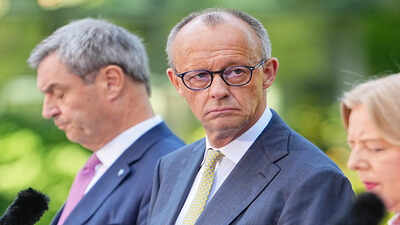
German Chancellor Friedrich Merz and his coalition government on Thursday presented a wide-ranging reform package aimed at reviving Germany’s sluggish economy, introducing tax cuts, pension changes, stricter sick leave rules and steps to reduce bureaucracy, according to government statements and Reuters reporting.According to AP, Merz said the reforms were designed to reposition Europe’s largest economy for the future. He said, “These reforms all have one goal: We’re setting out into the future,” adding, “We’re strengthening ourselves so that we can live well in these new times.”He said, “From the very beginning, we set an agenda with a single goal in mind: We want to get Germany back on track. It is now clear that this is possible.”The government outlined 34 measures in the package, including income tax reforms aimed at reducing taxes for low- and middle-income families, an overhaul of the pension system, stricter rules on sick leave, and measures to cut administrative red tape.The tax changes, once fully implemented in 2028, are expected to provide a family with two working parents and two children, earning a combined taxable income of €60,000 ($64,416), a tax relief of more than €600 annually.
The total package is estimated to cost around €10 billion per year in tax relief.On pensions, the coalition said it would implement recommendations from an expert panel, including a gradual rise in the retirement age linked to life expectancy, aimed at stabilising the system and avoiding sharp increases in contributions.The reforms also target sick leave regulations. Under the proposed changes, employees would no longer be able to take up to three days off without a doctor’s certificate, with employers able to demand medical proof from the first day of absence.Merz has previously criticised high levels of sick leave, saying they are affecting productivity in the German economy.The package also includes measures to reduce bureaucracy, including cutting reporting requirements, lowering data protection standards to the European minimum, and simplifying tax filing procedures.Germany’s economy, Europe’s largest, returned to modest growth last year after two consecutive years of contraction, but government forecasts suggest growth of just 0.5% this year amid global and domestic pressures, including energy costs, weak investment and trade tensions.The coalition, in office for just over a year, has faced criticism over slow progress on reforms. Merz sought to counter that narrative during the announcement.Merz said, “We know that you, ladies and gentlemen — the citizens of our country — want decisions, and you don’t want conflict. And that is exactly what we have delivered.”