5 months ago
26
5 months ago
26

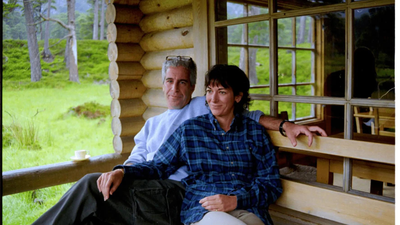
Jeffrey Epstein with Ghislaine Maxwell (AP image)
Three million documents are supposed to explain everything — but do they?As the US Justice Department releases the largest-ever cache of records linked to Jeffrey Epstein, powerful names and long-suppressed testimonies have once again been pushed into public view.With every new disclosure tied to the disgraced financier, the story grows darker — not because of what is newly revealed, but because of what was known for years. An unsettling question lingers: how did one man move so freely through elite circles, and why did institutions fail, again and again, to stop him? The files do not just reopen a case. They reopen doubts about who was protected, who was ignored, and who ultimately paid the price.
Who was Jeffrey Epstein — and why do his files still haunt the system?
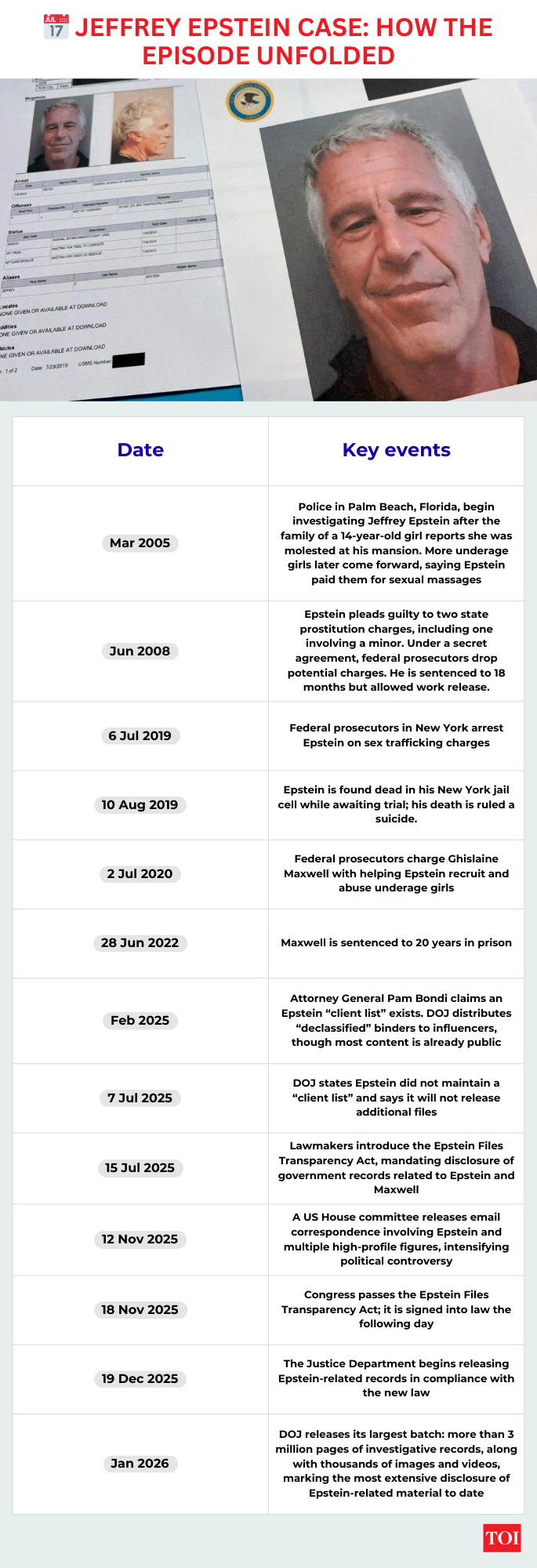
Long before his name became synonymous with one of the most notorious abuse scandals of modern times, Jeffrey Epstein cultivated an image of wealth and influence. He mingled comfortably with the elite circle of society and owned homes in New York, Florida, New Mexico, and the Virgin Islands.The case first surfaced in 2005 when the family of a 14-year-old girl in Palm Beach, Florida, reported she had been molested at Epstein’s mansion.
As the probe began, investigators found multiple victims. Many said that Epstein paid them for sexual massages. Police recommended serious charges. Yet in 2006, he was indicted on a single count of soliciting prostitution. In 2008, Epstein pleaded guilty to state-level charges. He served a limited jail term, much of it under work release. Many called the sentence far too lenient.
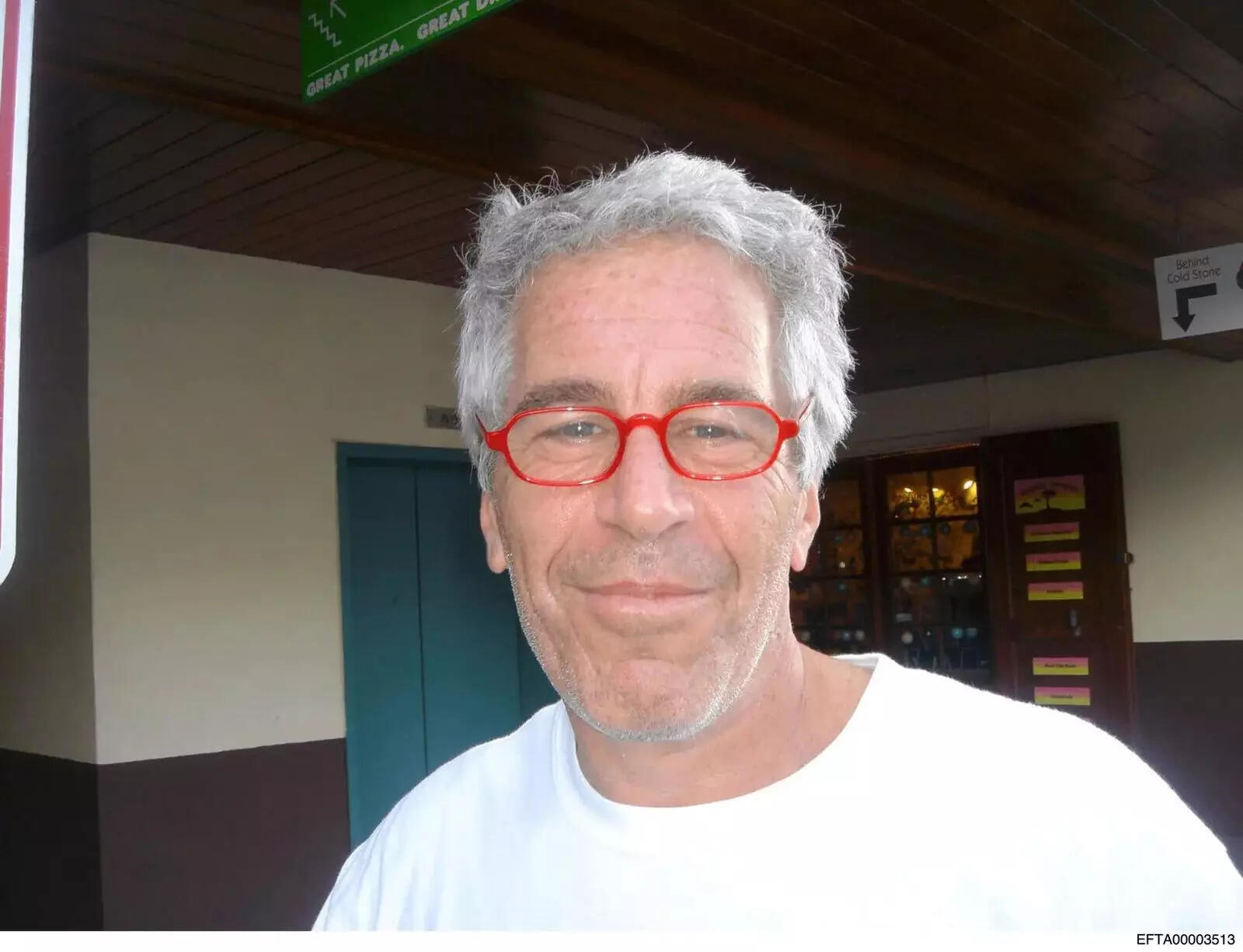
After Epstein’s release, survivors turned to civil courts, filing lawsuits that accused him of trafficking underage girls to powerful men.
While many allegations were disputed or denied, the litigation generated a vast documentary record: sworn depositions, emails, travel logs, financial documents and investigative material.Epstein was arrested again in 2019 on federal sex trafficking charges. Weeks later, he was found dead in his New York jail cell. Authorities ruled it a suicide. But the circumstances remain mysterious. His death froze the criminal case and left the world with the infamous Epstein Files, a vast collection of documents that continue to reveal the reach of his influence.
What are “Epstein Files,” really?
The term “Epstein files” is often misunderstood. They are not a master list, nor a single investigative conclusion. Instead, they consist of:
- Law enforcement investigative records
- Court filings from criminal and civil cases
- Depositions and sworn statements
- Emails, contact lists and travel documents
- Digital evidence collected during investigations
- Submissions received by federal agencies over the years
Crucially, the presence of a name or reference in these files does not establish criminal wrongdoing. Many documents capture unverified claims, second-hand accounts or material collected as part of routine investigative processes.
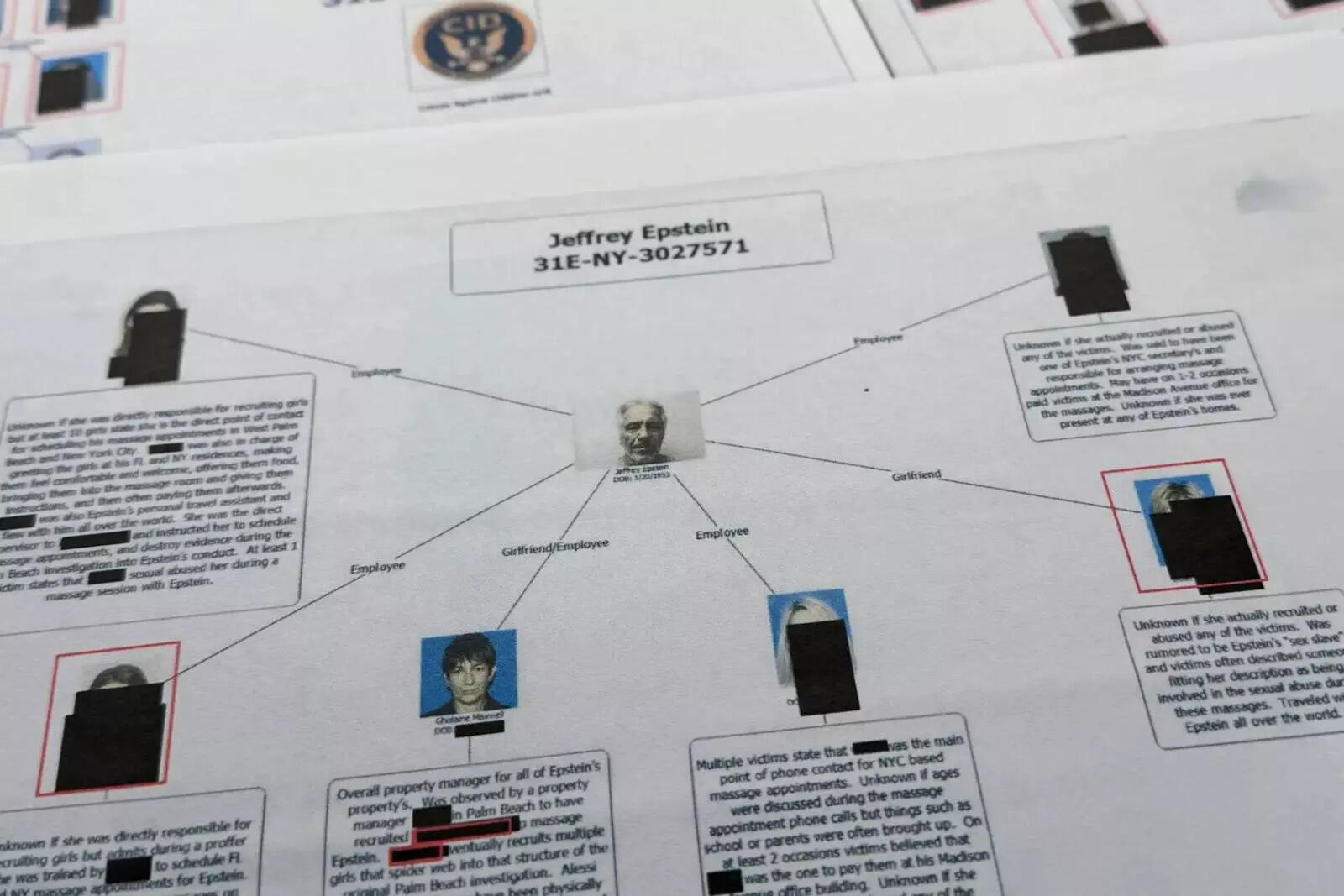
Epstein Files: The latest release and murky web of the powerful
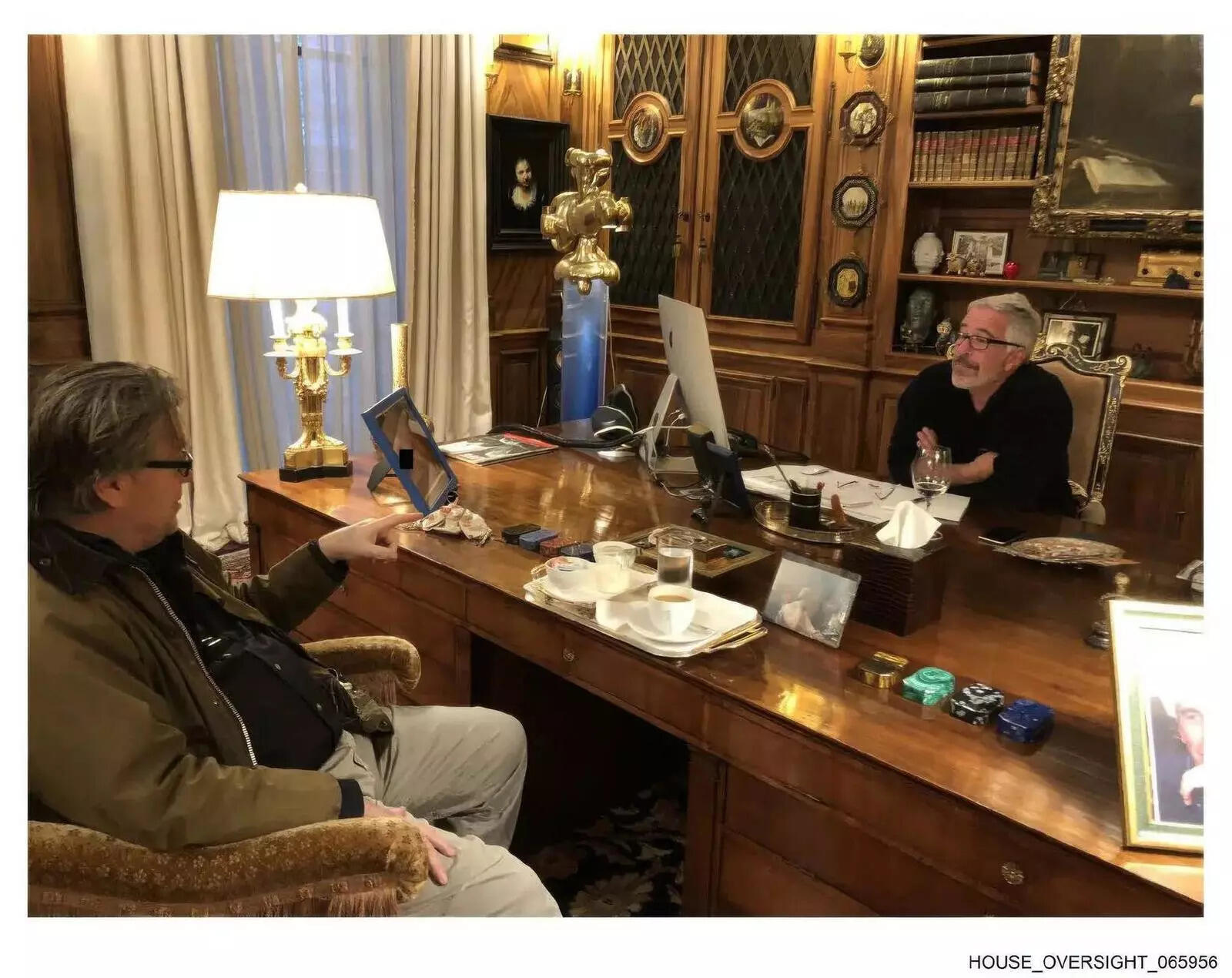
The shadow of Jeffrey Epstein has grown darker with the latest release of documents by the US department of justice last month.The collection spans over 3 million documents, 180,000 images, and 2,000 videos. Among the names that surface in this latest tranche are Elon Musk, Bill Gates, Richard Branson, Donald Trump, Andrew Mountbatten-Windsor, Sarah Ferguson, Lord Mandelson, Steve Bannon, Miroslav Lajčák, Sergey Brin, Ehud Barak, Noam Chomsky, and Bill Clinton, among others.
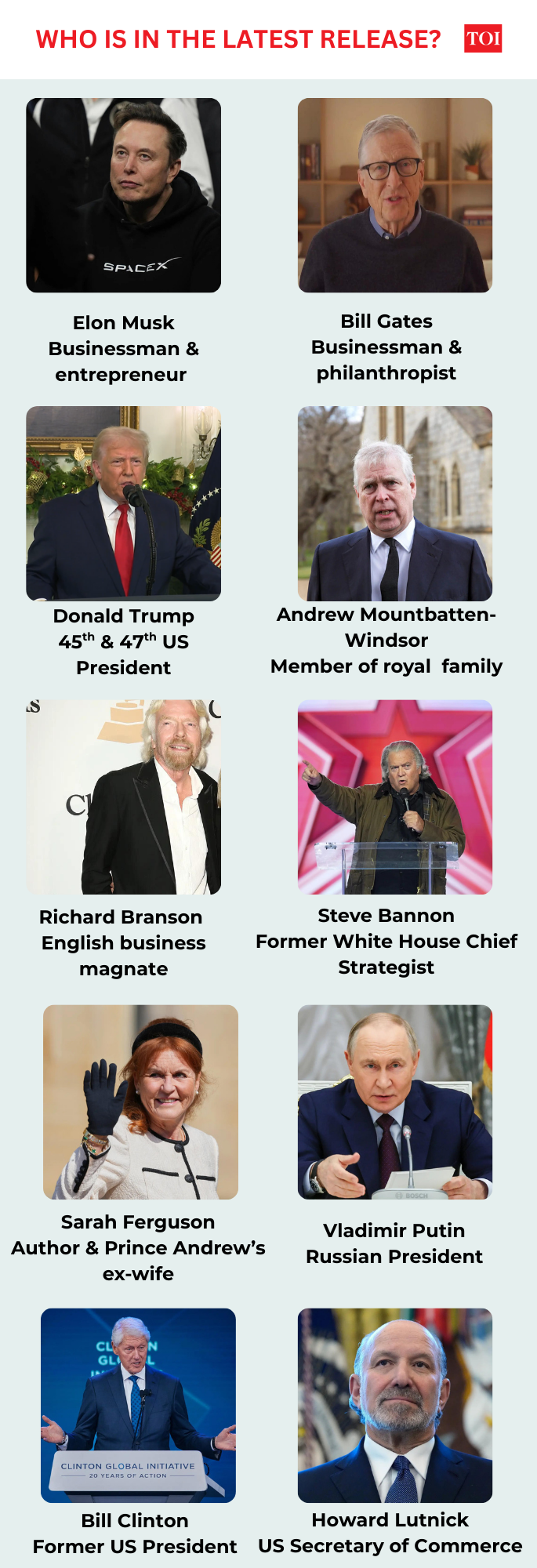
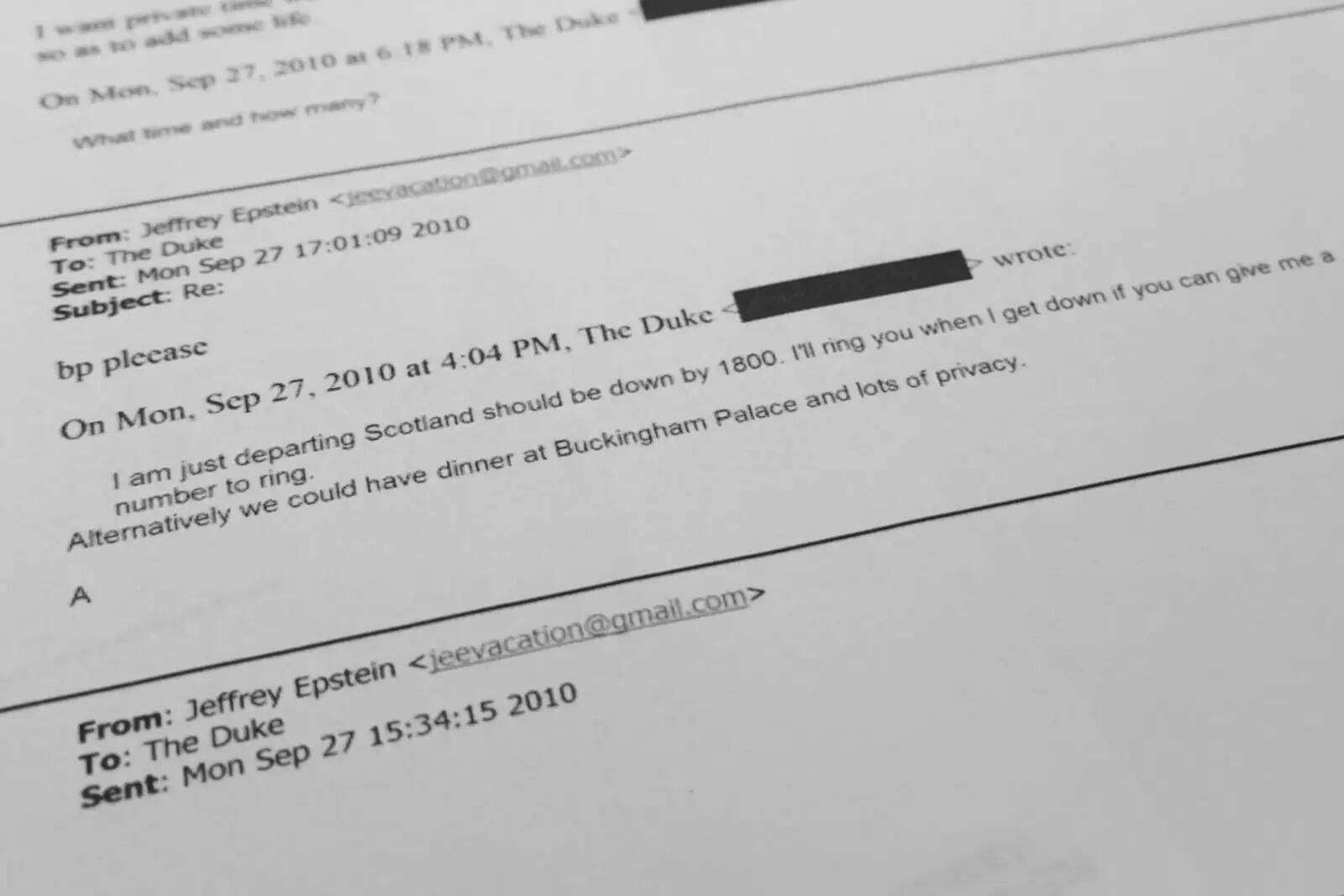
The emails suggest startling glimpses of Epstein’s connections. Former Prince Andrew Mountbatten-Windsor invited Epstein to Buckingham Palace after his house arrest ended, promising “private time” and arranging for him to bring companions. His former wife, Sarah Ferguson, also surfaces in the files. In August 2009, Ferguson described Epstein as the “brother I always wished for”, highlighting his kindness in front of her daughters, Princess Beatrice and Princess Eugenie.
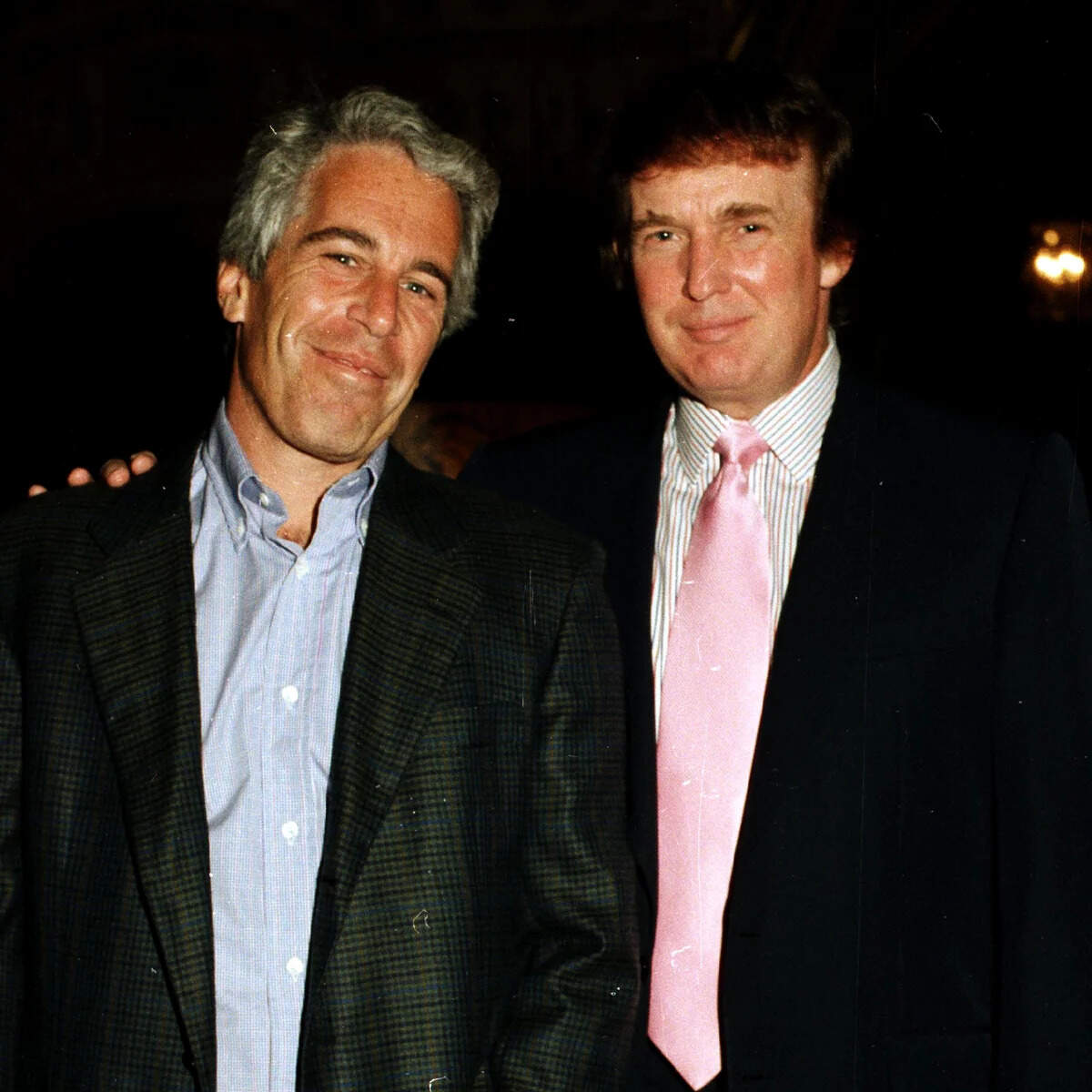
US President Donald Trump appears hundreds of times in the files, despite his denials of any wrongdoing. Elon Musk’s emails reveal discussions of potential trips to Epstein’s private island in 2012. The latest tranche of Epstein files adds another layer to the financier’s far-reaching global connections, with newly disclosed emails referencing Russian President Vladimir Putin in the context of backchannel diplomacy.
According to Politico, nearly a month before President Donald Trump met Putin at the Helsinki summit in 2018, Epstein sought to position himself as an informal intermediary with Moscow. In a June 24, 2018 email to Thorbjorn Jagland, the former Norwegian prime minister who was then leading the Council of Europe, Epstein suggested that Russia’s top diplomat engage directly with him.“I think you might suggest to putin that lavrov can get insight on talking to me,” Epstein wrote, referring to Sergei Lavrov, Russia’s longtime foreign minister.Other high-profile names appear repeatedly across correspondence and documents, linking Epstein to influential figures in politics, business and media around the globe.
Who really controls what the public sees?
As millions of pages linked to Jeffrey Epstein slowly become public, one uneasy question keeps coming back: who decides what we get to see and what stays hidden?The Epstein files are no longer just about abuse, power and wealth.
They are now also about secrecy and the fine line between transparency, privacy and politics.
According to Matthew Mokhefi-Ashton of Nottingham Trent University, whose analysis was published by PTI, the release of these documents highlights one of the most difficult challenges faced by any democracy: balancing the public’s right to know with the state’s duty to protect individuals and institutions.For years, the Epstein files have been used as a political weapon by both Democrats and Republicans.
At the same time, online speculation grew, with a global audience guessing what the documents contained and whose names might appear. That pressure eventually led the US Congress to vote in November 2025 to release the files.But what the public received was not one clear set of files. Instead, there were many different documents: FBI investigation records, court papers and sealed grand jury material. Each comes with its own legal limits.The blacked-out pages only deepened public doubt. Names, emails, addresses and photos were hidden behind thick black lines. Some of it made sense, especially to protect victims and witnesses. Others came with no explanation, leaving people to guess what or who was being hidden.
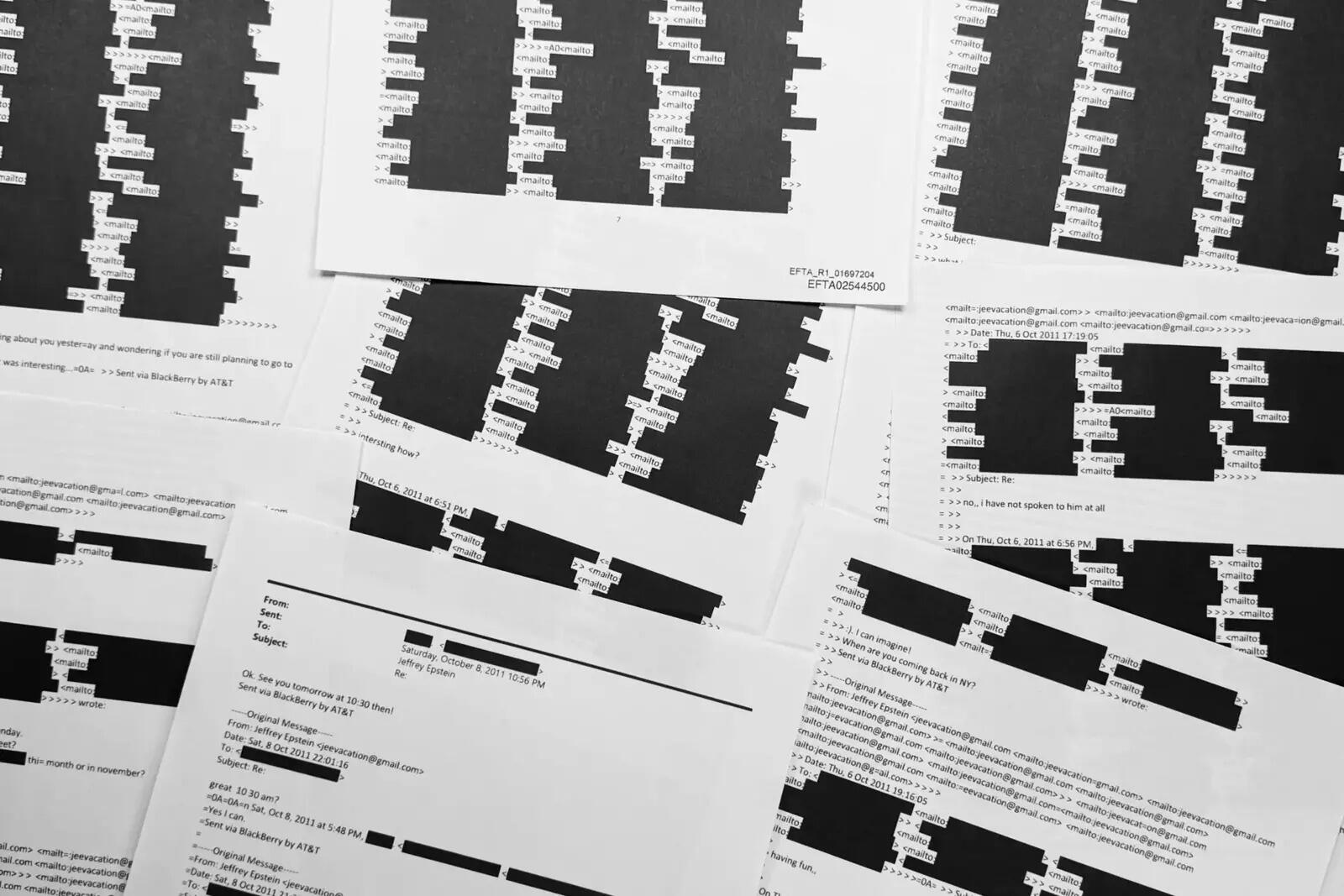
The confusion is made worse because different agencies follow different rules. In some cases, one office redacts information that appears openly in another file, or is already public elsewhere.At the centre of this process is a complex legal framework. The US Freedom of Information Act was created to make government activity more transparent. But it operates alongside laws such as the Privacy Act of 1974, which aims to protect innocent individuals from reputational harm. Added to this are national security exemptions, financial confidentiality rules and sealed court and grand jury records, which only judges have the power to release.Most redaction is done by civil servants, not politicians. But without clear reasons, the public cannot tell if a hidden name belongs to a suspect, a witness,or someone with no real link to the case.
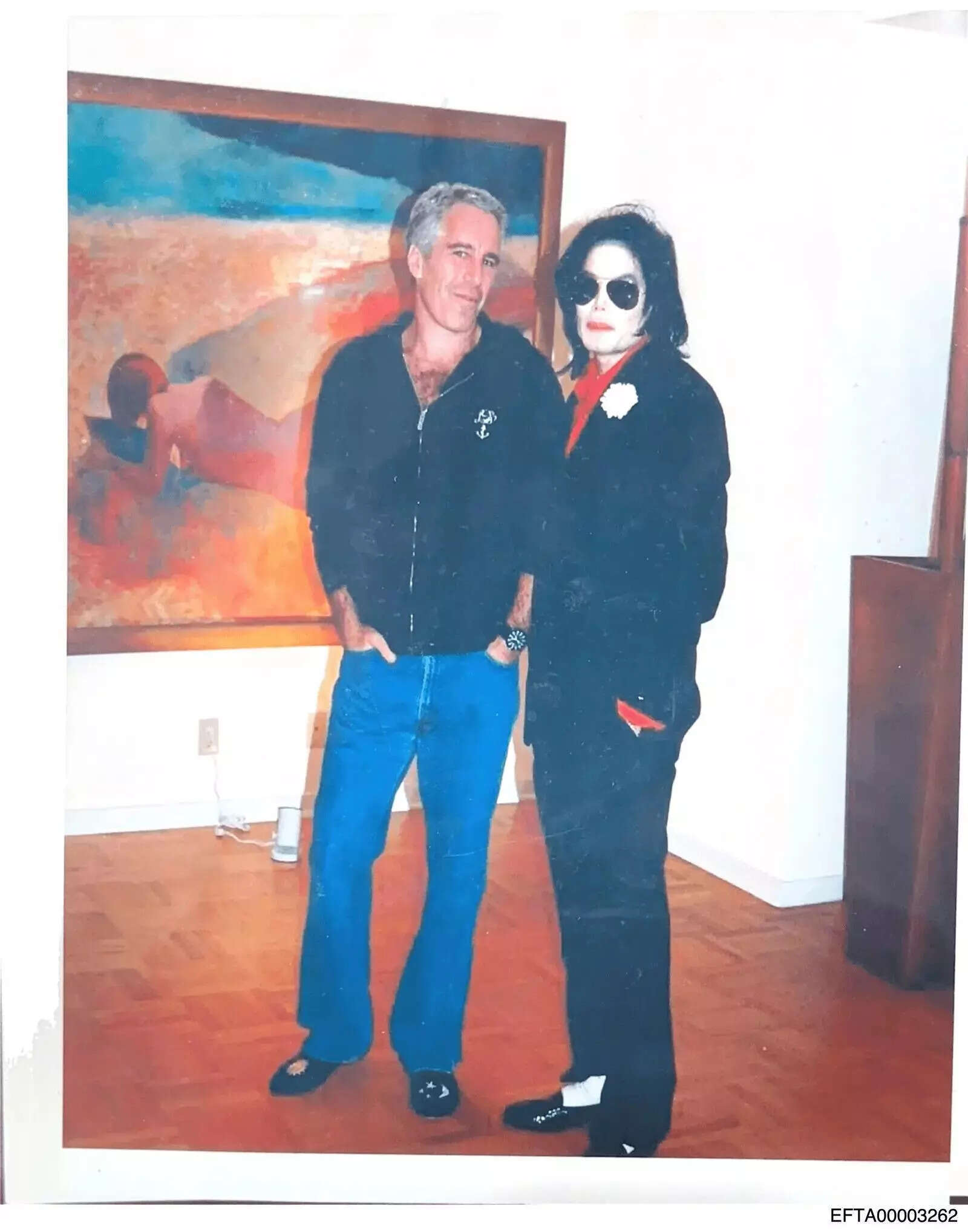
In the end, the Epstein files tell two stories. One is about a powerful man and the harm he caused. The other is about a system still struggling to decide how much truth the public is allowed to see and at what cost.
Survivors speak: The human toll of Epstein’s crimes
Deputy Attorney General Todd Blanche said that the latest release of documents aims to “bring closure” for Epstein’s victims, who had endured “unspeakable pain.”But for many survivors, the release brought both relief and renewed trauma, especially for those whose identities were accidentally revealed due to redaction errors. According to the BBC, several women who had not previously been named spoke candidly about the emotional toll of seeing private details exposed.One survivor described the impact as devastating: “I'm heartbroken for the girls whose information was released.
It's such a huge violation of one of the most terrible moments of their lives.” Similarly, another survivor highlighted the difficulty of processing new information about Epstein’s network while grappling with the DOJ’s mistakes: “It is hard to focus on the new information that has been brought to light because of how much damage the DOJ has done by exposing survivors this way.”A victim describing the emotional exhaustion of living through public scrutiny while seeking accountability said: “It's exhausting, it's emotional, it's raw… It can be really hard to keep going, but we know we're trying to change things for the next generation.
Hopefully something like this never happens again because of the time we've spent… trying to get justice - trying to get transparency.”A 2025 study in The Journal of Regional Studies Review described the Epstein Files leakage as “one of the most significant events in the context of the debate on transparency and accountability at a global scale.” The research highlights how the release exposed intricate webs of elite power and institutional failures, raising questions about whether traditional justice systems are equipped to handle abuses involving highly connected individuals.According to the study, making information public can reveal misconduct and allow the public to hold institutions to account. At the same time, it exposes a deeper problem: international mechanisms often rely on media pressure, public scrutiny and rigid legal procedures, leaving little room for meaningful accountability.
Beyond the Epstein Files
The Epstein Files are more than a collection of documents. They are a mirror, reflecting both the corridors of power and the vulnerabilities of those society is meant to protect. Millions of pages, thousands of images and endless emails cannot fully capture the human cost of exploitation, nor the culture that allowed abuse to persist. They expose an uncomfortable truth: wealth, status, and influence can shield perpetrators, while survivors bear the weight of public scrutiny and systemic failure.