1 hour ago
4
1 hour ago
4

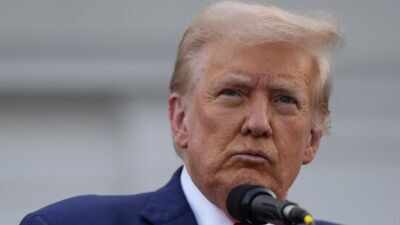
US President Donald Trump.
US President Donald Trump is facing rising pressure to bring down fuel prices as increasing costs squeeze American households and businesses ahead of the November midterm elections.Despite measures to boost diesel supplies and reduce fuel taxes, prices remain elevated, raising questions about how much the administration can do to ease the burden on consumers in the coming weeks.Diesel prices in the US have climbed sharply since the US-Israel war with Iran began in February, with the average price hovering around $6.30 per gallon in early October.The conflicts involving Iran and Russia’s war with Ukraine have disrupted global fuel supplies, pushing up costs for farmers, truckers and other businesses that depend on diesel.According to news agency Reuters, US diesel prices have risen by around 70 per cent since the war with Iran began, even after the Trump administration backed the release of emergency fuel reserves and expanded access to tax-exempt diesel.The surge in fuel prices has also become a political concern for Republicans, who are seeking to defend their narrow congressional majorities in the November 3 midterm elections.
The cost of living remains a major issue for voters, particularly in rural areas that traditionally support the Republican Party.
What has Trump done to lower fuel prices?
Trump signed an executive order this week to temporarily expand the use of red-dyed diesel on public roads. The fuel, normally reserved for off-road uses such as farming and construction, is exempt from certain fuel taxes.The move is intended to help farmers, truckers and businesses reduce operating costs.
Trump has said the measure could save truckers more than $100 each time they fill up, while also lowering costs for farmers and helping reduce the prices of goods and groceries.However, the plan faces practical challenges. Although red-dyed diesel is chemically identical to regular diesel, its tax-exempt status means that its use on public roads is normally restricted.The temporary relaxation of the rules is intended to make the fuel more accessible, but retailers and fuel suppliers have raised concerns over tax liabilities, logistical difficulties and the risk of penalties when vehicles cross state lines.The savings could also be limited when diesel prices remain above $6 per gallon.The administration has also sought to ease supply concerns through an agreement among G7 countries to release 100 million barrels of oil and petroleum products from emergency reserves. Trump had pressed allies to make more fuel available to the market.Several US states have also reduced or suspended certain fuel taxes, providing some relief to consumers and businesses.
However, a reduction in federal gasoline taxes would require congressional approval, making it more difficult to implement before the elections.
Why are fuel prices still high in the US?
The main challenge for the administration is that fuel prices are being driven by global supply disruptions rather than taxes alone.The war involving Iran has disrupted the flow of oil and refined petroleum products through the Strait of Hormuz, a critical route for global energy supplies.
Meanwhile, Ukrainian attacks on Russian refineries have added pressure to the market.Although some oil flows have recovered, prices remain elevated, with the impact extending to diesel and gasoline. Higher energy costs have also contributed to inflation, putting additional pressure on household budgets and businesses.
Can Trump bring down fuel prices before the midterm elections?
Trump has already used several policy options available to his administration, but analysts say a sustained reduction in fuel prices will depend largely on developments in the Middle East and the Russia-Ukraine conflict.Patrick De Haan, head of petroleum analysis at GasBuddy, told the BBC that the president had largely used the smaller measures available to him, while prices remained elevated. A meaningful and lasting reduction would require easing the geopolitical tensions disrupting energy supplies.Even if the conflicts subside, a quick return to normal prices is not guaranteed. Damage to energy infrastructure in the Middle East could take months to repair, delaying a full recovery in production.Higher fuel and grocery bills have become a concern for voters ahead of the November 3 elections, putting pressure on the administration to demonstrate that it can ease the cost of living.