1 hour ago
2
1 hour ago
2


A vintage Airstream trailer parked on a Wisconsin pasture may not sound like a financial lifeline, at least not six years ago. But it is now for Brit Thompson, 33, who runs Pink River Ranch in Wisconsin.
She converted her vintage Airstream trailer into an Airbnb, and most of her guests are Chicago-area professionals looking for countryside experiences.Thompson is a farmer, but the unstable economy pushed her to think beyond the box. "I don't want to be out there working my b**t off for $5 an hour when I can make $100 cleaning the Airstream for an hour,” she told MarketScreener. For farmers like Thompson, that difference matters.
It can take far longer to earn the same amount by selling beef and lamb through restaurants or farmers' markets.
The rise of agritourism

Brit Thompson, who also raises animals for meat on her farm, is one of many farmers turning to agricultural tourism, a $4.5 billion industry, according to data from the US Department of Agriculture (USDA). Her trailer now doubles as an Airbnb, offering overnight stays. The decline in income from farming and the rising demand for rural experiences have motivated many farmers in the US to step into tourism.
Thompson's ranch sits down the road in Blanchardville, surrounded by Highland cattle, Icelandic sheep, and the kind of landscape that urbanites yearn for. Most of her bookings come from urban areas, including Chicago. Professionals seeking weekend escapes book the stay. Guests visit almost every week during the peak season, drawn by spring-fed trout streams, forested hiking trails, and unpolluted night skies.
Needless to say, the income surpasses what her livestock operation generates. This also opens new opportunities for Thompson: she teaches her guests about sustainable grazing, as well as fishing from her riverbank with her five-year-old daughter, who reels in fat catfish with a miniature hot-pink fishing rod.
Growing trend
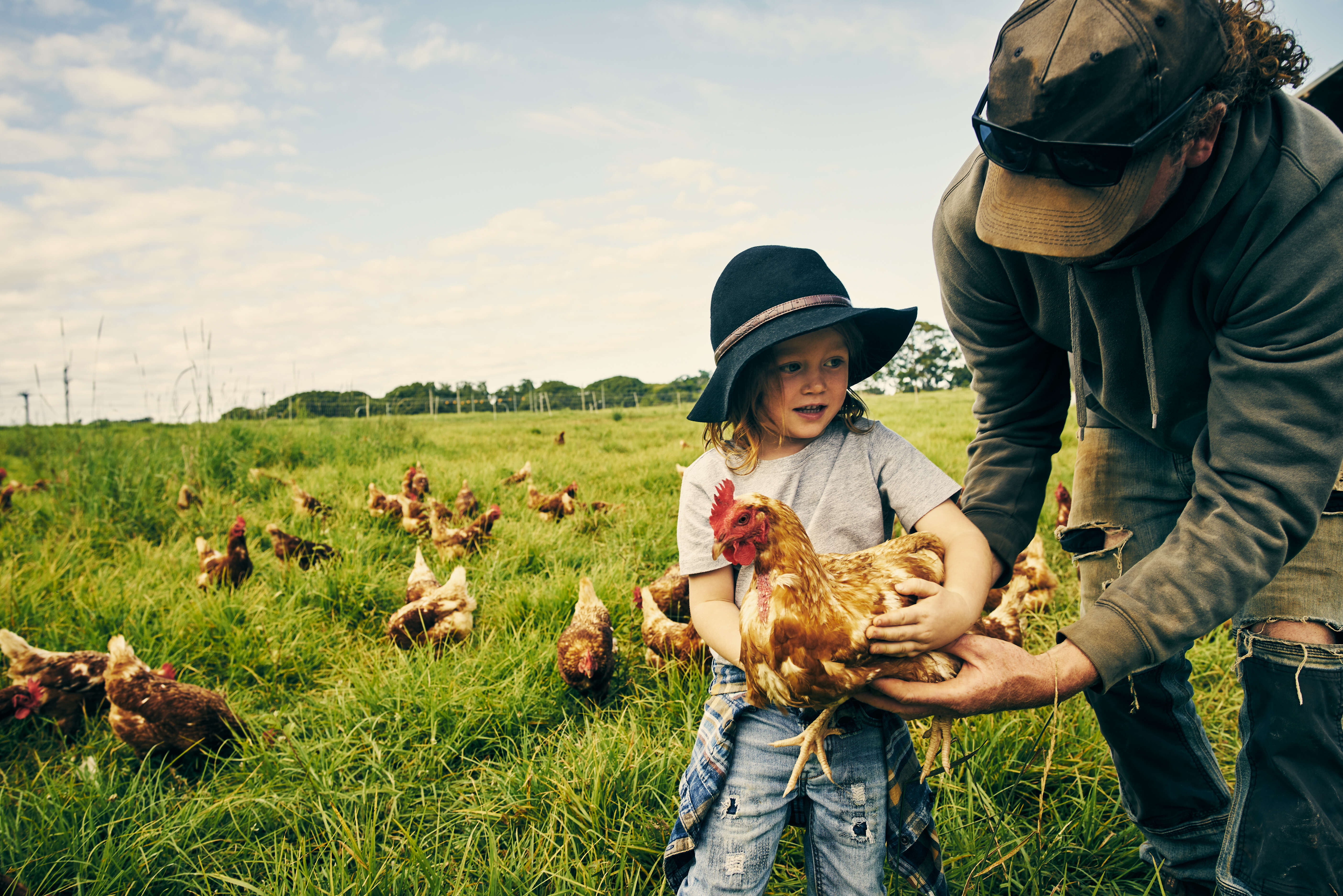
Thompson is far from alone in recognising the potential of agritourism. Farmers across the US are making the same calculation.
They are turning corn mazes, pumpkin patches, farmstays, and cabin rentals into essential revenue streams as traditional agriculture withers. This revenue is nowhere comparable to what most of them make from farming alone. For families trying to hold on to their land, these enterprises mean a lot.
They no longer have to sell their land.Farm income has dropped 23% from 2022, according to data from the USDA. This is one of the steepest declines in history, and the American Farm Bureau confirms that the agricultural economy is in recession.Commodity prices for corn and soy hit four-year lows last year. But input costs for seeds, fertiliser, and labour remain punishingly high. Interest rates have climbed. Potential tariffs loom. The maths for row-crop farmers has never been worse."You cannot survive as a family farm only farming," Catherine Topel, 56, a North Carolina hog producer who hosts an Airbnb cabin and campsites through HipCamp, told Reuters."The cabins, the camping – it makes you sustainable and resilient in hard times, and it gives you flexibility to enter into other enterprises instead of toeing the line of what your dad did and what your dad's dad did."Kaylee Heap, 35, co-manager of Heap's Giant Pumpkin Farm in Illinois, where guests pick sunflowers and pumpkins in autumn, ride hayrides, and navigate corn mazes, agrees. "We're able to weather some of these tighter or negative margin years because we've diversified the way we earn money," Kaylee Heap told the news agency.
"It's the reason we diversified. If we just focused on row crops, we’d be having a different conversation.
"
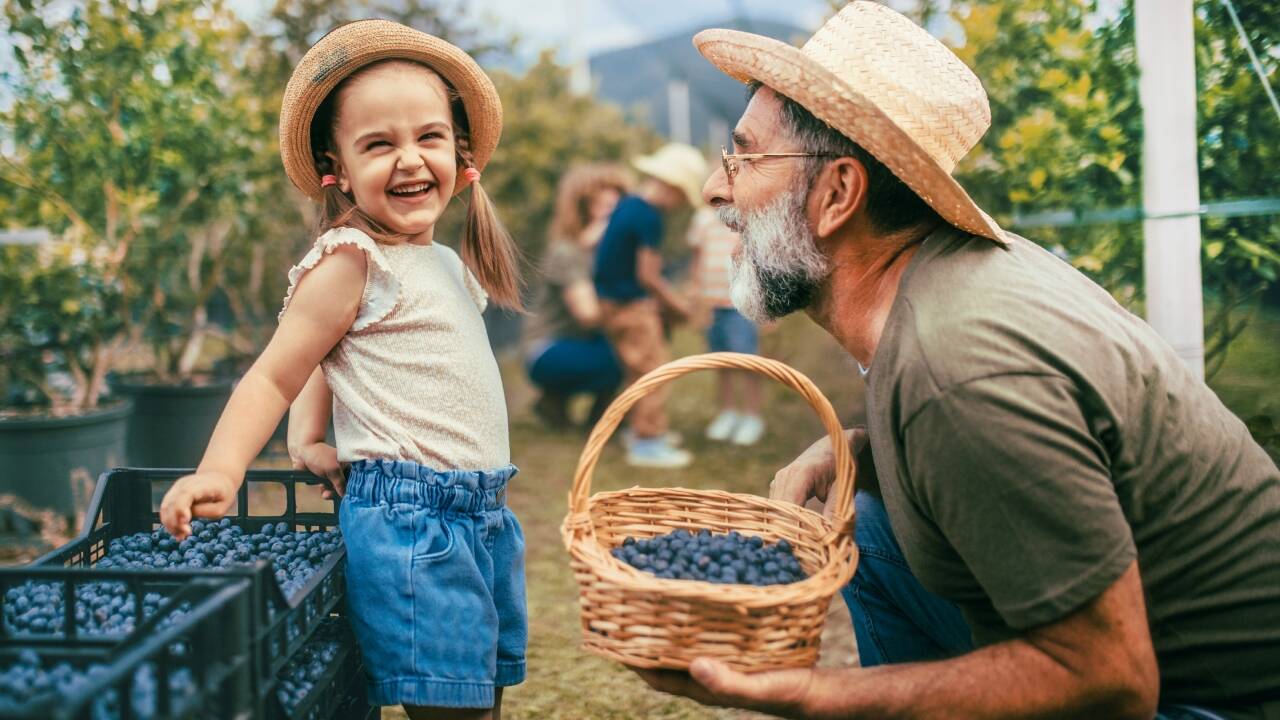
Agritourism flourished during the pandemic. People living in cities were in search of socially distanced holiday options, and rural properties offered exactly that. But this wasn't a temporary trend. The number of farmstays listed on short-term rental platforms jumped 77% over five years, roughly double the growth rate of overall listings.
Airbnb, HipCamp, Harvest Hosts, and The Dyrt all report substantial increases in farmstay inventory.
Not every property is suited for this type of tourism. Countryside properties are at the top of the list, as are secluded locations surrounded by nature.The trend is here to stay, according to Ryan Pesch, an extension educator at the University of Minnesota. “The younger generation finds the farm doesn't have to be this long litany of depression and bad prices. They say: 'Why don't we do this other thing?’ They see opportunities and entrepreneurship," he told Reuters.