2 hours ago
3
2 hours ago
3

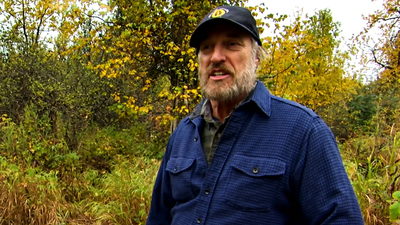
Vietnam veteran Kenneth Deardorff arrived in Alaska in 1974 with a geography degree and plans to find work with the US Geological Survey or another employer. Instead, the California native became fascinated by the idea of building a life in the state's remote wilderness.
He travelled to the Bureau of Land Management office in Anchorage, learned about homesteading and eventually claimed land along the Stony River in southwestern Alaska. The decision changed the course of his life. Deardorff settled in an isolated area with no nearby roads, hunted and trapped for income and operated a small general store while developing his property. He completed the requirements for his homestead in 1979, but his government patent did not arrive until May 5, 1988.
By then, the Homestead Act had ended for new claims in Alaska. The document made Deardorff the last person in US history to receive a homestead title under the law.
Kenneth Deardorff's journey from Vietnam veteran to Alaska homesteader
Born near Los Angeles, Deardorff joined the US Army after high school and served in Vietnam, where he was wounded in action. After leaving the military, he returned to California and earned a college degree in geography. In 1974, he travelled to Alaska, initially looking for employment and hoping his education could lead to work with the US Geological Survey or another organisation.
His plans changed after he became interested in the federal homesteading programme.
Deardorff visited the Bureau of Land Management office in Anchorage to learn about available land and eventually established a homestead claim along the Stony River in southwestern Alaska. Rather than pursuing the conventional career he had originally imagined, he chose to build a new life in one of the country's most remote regions.
Life on a remote homestead along the Stony River
Deardorff's new home was far removed from the towns and roads of California. His homestead along the Stony River had no nearby road connecting it to the outside world, making even routine travel a difficult undertaking. He relied on boats, aircraft and long journeys on foot to reach other communities. Mail could arrive only about once a month, and collecting it required travelling to another village. Despite these challenges, Deardorff worked to make the property sustainable and developed several ways to support himself.
He hunted and trapped furs and established a small general store on his property for people travelling along the Stony River. These activities helped him earn an income while he continued improving the land and building his isolated homestead.
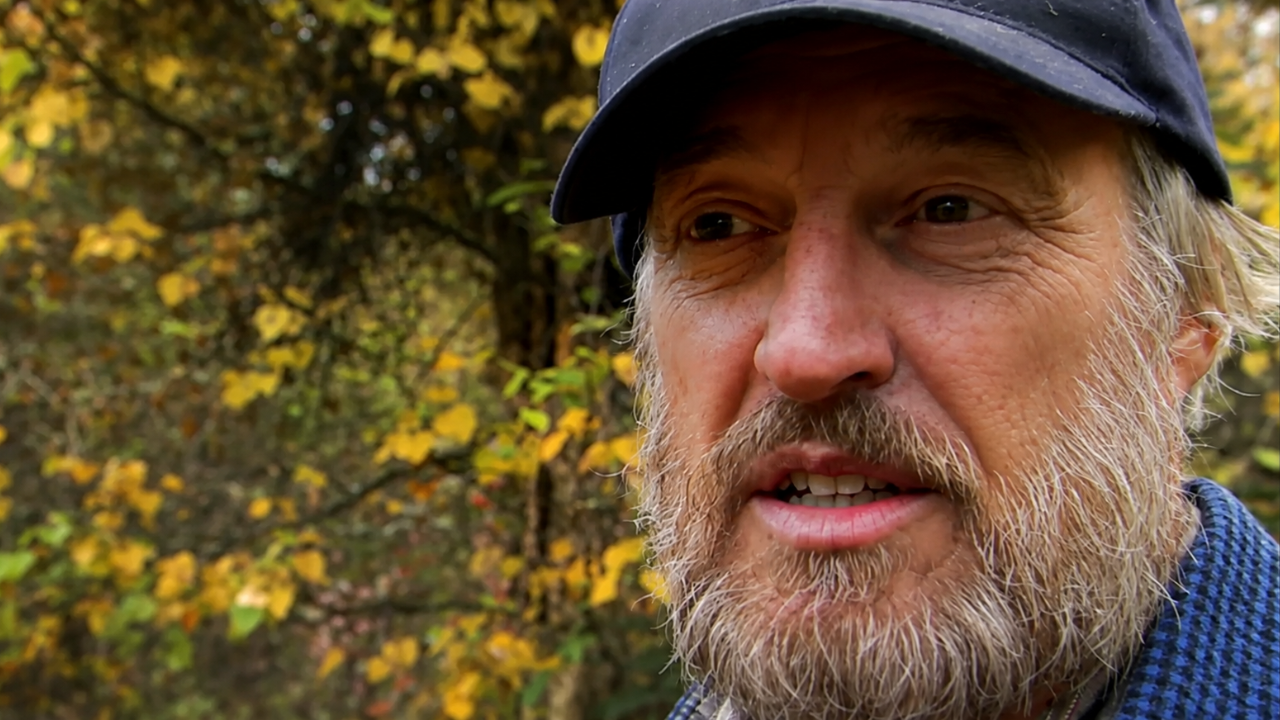
From clearing the land to completing the homestead requirements
Building a successful homestead required much more than simply occupying the property. Deardorff had to improve and develop the land while meeting the legal requirements of the Homestead Act.
He completed those requirements in 1979, after years of work in the remote Alaskan wilderness. One of the most unusual parts of that effort involved a 1945 Allis-Chalmers Model C tractor that he acquired in 1976. Because there were no roads to his property, the tractor was dismantled and transported by aircraft in three separate loads before being hauled the remaining distance by dog sled.
Once reassembled, Deardorff used it to help clear the land, including pulling tree stumps.
His work eventually allowed him to fulfil the requirements for his homestead.
Why Deardorff had to wait until 1988 for his title
Although Deardorff completed the requirements for his homestead in 1979, the government did not issue his final patent for another nine years. The delay was particularly remarkable because the Homestead Act was already nearing the end of its long history. The Federal Land Policy and Management Act of 1976 ended homesteading in the lower 48 states but gave Alaska a special 10-year extension.
New homestead claims in Alaska could therefore continue until 1986.
Deardorff's claim had been filed in 1974, allowing his case to continue through the government process after the programme ended for new claims. On May 5, 1988, he finally received his federal homestead patent, completing a process that had begun 14 years earlier when he first arrived in Alaska.
The last person to receive a Homestead Act title
Deardorff's 1988 patent eventually became more than a document proving ownership of his remote Alaskan property.
Historical research completed in 2001 established that he was the final person to obtain title to a homesteaded property under the Homestead Act. The National Archives also identifies his May 5, 1988 patent as the final homestead awarded under the legislation. His story therefore became the closing chapter of a programme that had begun with the Homestead Act of 1862 and helped encourage settlement across large parts of the American West.
Deardorff later donated objects connected to his life as a homesteader, including his original patent and other belongings, to Homestead National Historical Park. His tractor was recovered from Alaska in 2017 and preserved, leaving behind physical reminders of America's final homesteading story.