3 weeks ago
28
3 weeks ago
28

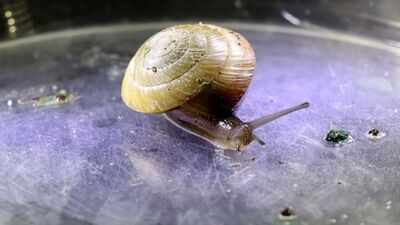
The great Bermuda snail, which was once considered to be lost forever, is now safe and secure. The species known as Poecilozonites bermudensis was believed to be lost for over 40 years until a small surviving population was rediscovered in a damp alleyway in the North Atlantic archipelago's capital, Hamilton, about ten years ago.
They were hidden from predators by a concrete block.The tiny group of snails was moved to Chester Zoo in the UK, where zoo keepers remade an ideal habitat for the snails to grow and breed. A partnership between the government of Bermuda, a conservation researcher from the Canada-based organisation Biolinx Environmental Research, and Chester Zoo, where thousands of snails were carefully bred before being returned to Bermuda, made it possible.The snails, which are only found in Bermuda, had been hit by global heating and habitat loss. However, their decline was accelerated by the introduction of predatory "wolf snails" and carnivorous flatworms, which ate the smaller native species.The team bred the snails in specially designed pods at the zoo and painstakingly released them in protected woodland habitats. Keepers adapted existing snail husbandry methods to find the best conditions for P.
bermudensis to multiply. Their findings are now part of the first conservation breeding guide for the species.
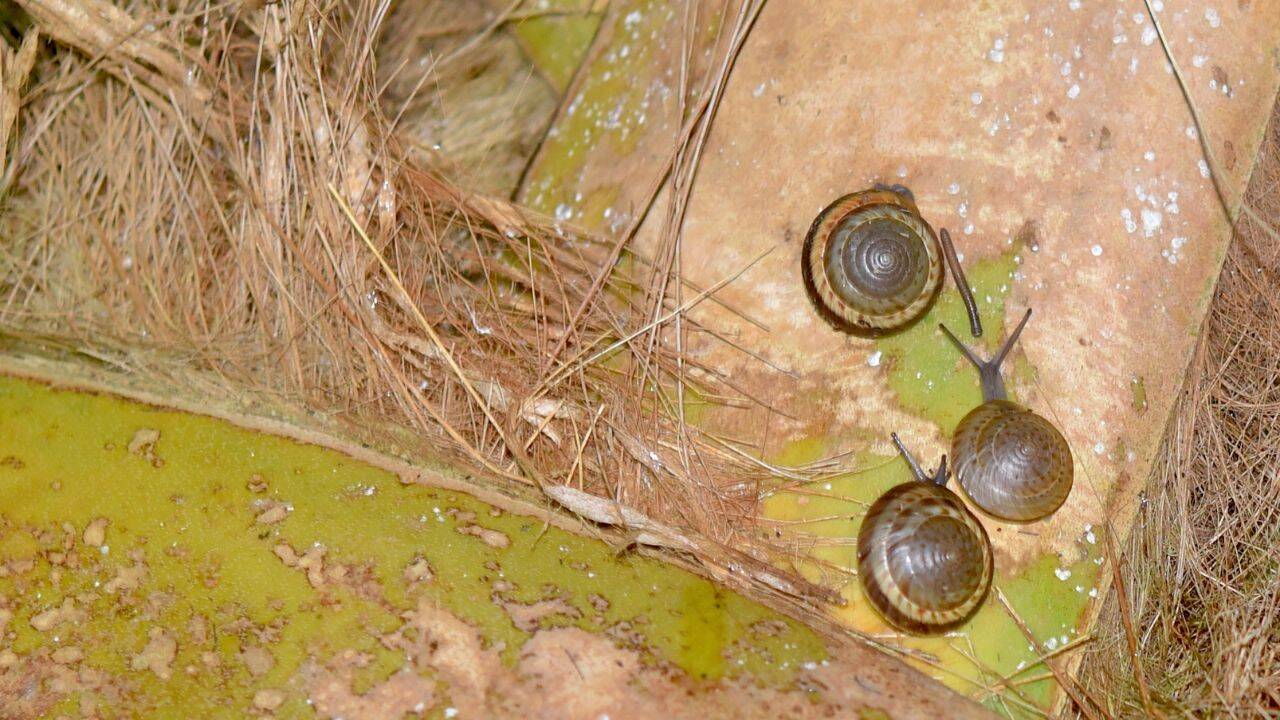
Since 2019, generations of the captive-bred snails have been returned to islands where they have been placed in protected wooded habitat
Since 2019, generations of the captive-bred snails have been returned to islands where they have been placed in protected wooded habitats, with biosecurity measures shielding the species from invasive predators. Six colonies of the released snails have successfully established in Bermuda, six hundred miles from the nearest mainland, according to a population assessment to be published in Oryx, the International Journal of Conservation, with the species’ recovery hailed on IUCN’s “reverse the red day”, which marks the global effort to repair biodiversity loss.
"It is very rare for a team to be able to announce that, having brought animals into human care and released them, their work is done. The fact that the snails are firmly established in six areas is massive," said Gerardo, who was among the team that bred the snails.The snails are vital for restoring the damaged ecosystems in the area. They function both as prey for larger animals and as consumers of live and decaying vegetation.
The return of P. bermudensis was carefully planned. Reintroduction areas were selected and monitored in a process Dr Garcia described as ‘like a war game’, with expanding populations represented by flags on a map.Dr Mark Outerbridge, an ecologist for the government of Bermuda, said: “It has been extremely gratifying to be involved with this reintroduction programme and to see these snails back in Bermuda’s ecosystem again. It is remarkable to think we only began with less than 200 snails and have now released over 100,000.”The Chester Zoo team is now focusing its efforts on breeding a second rare species of snail, the lesser Bermuda land snail.