7 months ago
45
7 months ago
45

EXPERT INTERVIEW — Evelyn Farkas has spent decades working at the center of U.S. national security and transatlantic defense policy. A former Deputy Assistant Secretary of Defense for Russia, Ukraine, and Eurasia, she now serves as Executive Director of the McCain Institute, where she focuses on strengthening democratic alliances and confronting authoritarian threats.
Farkas spoke with The Cipher Brief’s Suzanne Kelly from the Munich Security Conference, where global leaders gathered amid continued war in Ukraine, uncertainty about U.S. commitments abroad, and growing concern over China’s long-term ambitions.
Below are highlights from the conversation, lightly edited for length and clarity.
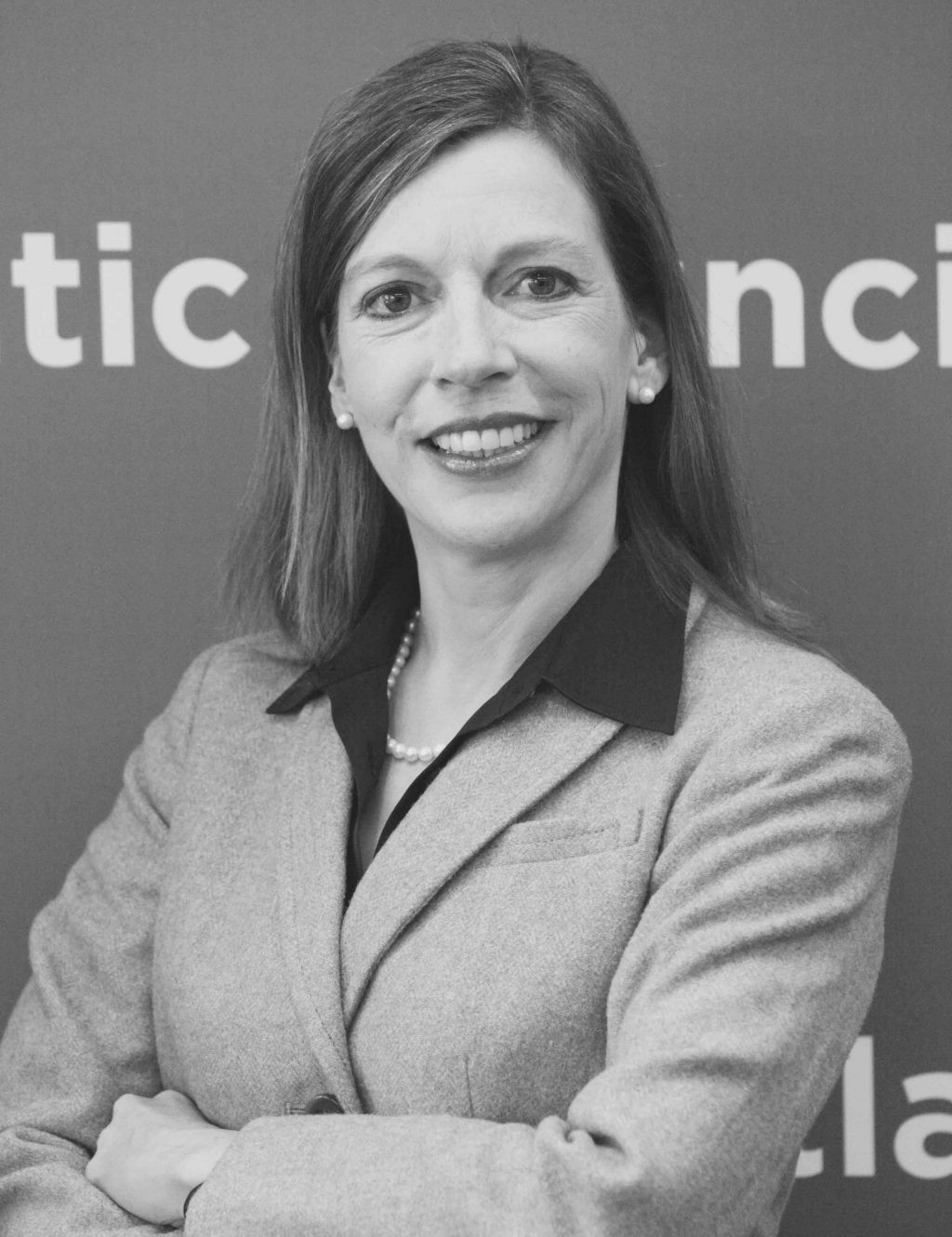
Evelyn Farkas
Dr. Evelyn N. Farkas is a senior fellow at the Atlantic Council, and served as Deputy Assistant Secretary of Defense for Russia/Ukraine/Eurasia from 2012 to November 2015 and as Executive Director of the Graham-Talent WMD Commission.
THE INTERVIEW
Kelly: With everything going on right now from the Middle East to Ukraine to technology and AI and how that’s going to impact global security overall, what is top of mind for you there in Munich?
Farkas: I think it’s the state of the transatlantic alliance and then beyond that really all U.S. alliances. For me, that’s the thing that matters most. And I think that’s what Europeans and others, even those outside of Europe, especially our Asian allies, are going to be listening for. Are we still united?
Kelly: Secretary Marco Rubio is expected to deliver a message here. What are you hoping to hear from him?
Farkas: I’m hoping he gives a speech more like the one Secretary Gates gave when he was exhorting Europeans to do more to carry the burden of our collective defense. Obviously now it’s urgent. Russia is conducting kinetic attacks on European territory every week. Europeans need to step up.
But beyond that, I hope he reasserts the U.S. commitment to the alliance because it’s in the U.S. interest. It undergirds our way of life, our democracy, our security, and our economic prosperity.
Kelly: Are you seeing any shift in how Europeans are thinking about the alliance?
Farkas: I think there’s a bifurcation. The working-level cooperation is still happening. We’re all working together, whether in government or out.
But at the same time, Europeans are much more distrustful of America. They’re not sure whether they can rely on us, and they don’t understand why our president has taken an approach that has at times been quite hostile rhetorically toward the allies.
Kelly: How are you thinking about the Russia-Ukraine war from Munich?
Farkas: Everything depends on us getting this right, meaning the world community. The Ukrainians are fighting and will continue to fight. They have won this war strategically—it’s just a question of when and at what cost.
Russia cannot conquer and rule Ukraine. They’re weak economically and politically. Their military machine is being squeezed and needs to be squeezed more.
We need increased sanctions on Russia, but we also need to sanction China more because China is allowing Russia to continue the war, not just by buying oil but by providing technological dual-use capabilities.
Kelly: How is Europe thinking about China?
Farkas: I’m a little bit concerned. The Japanese have taken a very strong approach. They’re maintaining deterrence and not pretending they share values with China.
But in Europe, we’re seeing leaders travel to Beijing and hedge. Europeans need to be careful because China is not their friend. China will eat their lunch in a minute, and China is not a democracy. You don’t want to be aligned with that kind of government.
Kelly: Looking ahead, what are the most critical issues to get right now?
Farkas: The most important thing is helping Ukraine bring the message home to the Russian elite and the Russian people that they cannot win militarily and that Ukraine will maintain its sovereignty.
Deterring China is equally important. China is pushing the envelope, and we need to maintain our strength against both adversaries.
Kelly: Final thoughts?
Farkas: We must help Ukraine win and maintain sovereignty, and we must deter China. Those are the defining strategic challenges right now.
Read more expert insights into national security in The Cipher Brief. And find out more about The Cipher Brief HONORS Awards happening March 13 in Washington D.C.