6 months ago
28
6 months ago
28

Beth RoseDisability affairs reporter

 George Baker
For the first six weeks of 2026, support worker Lauren Toovey has worked for free.
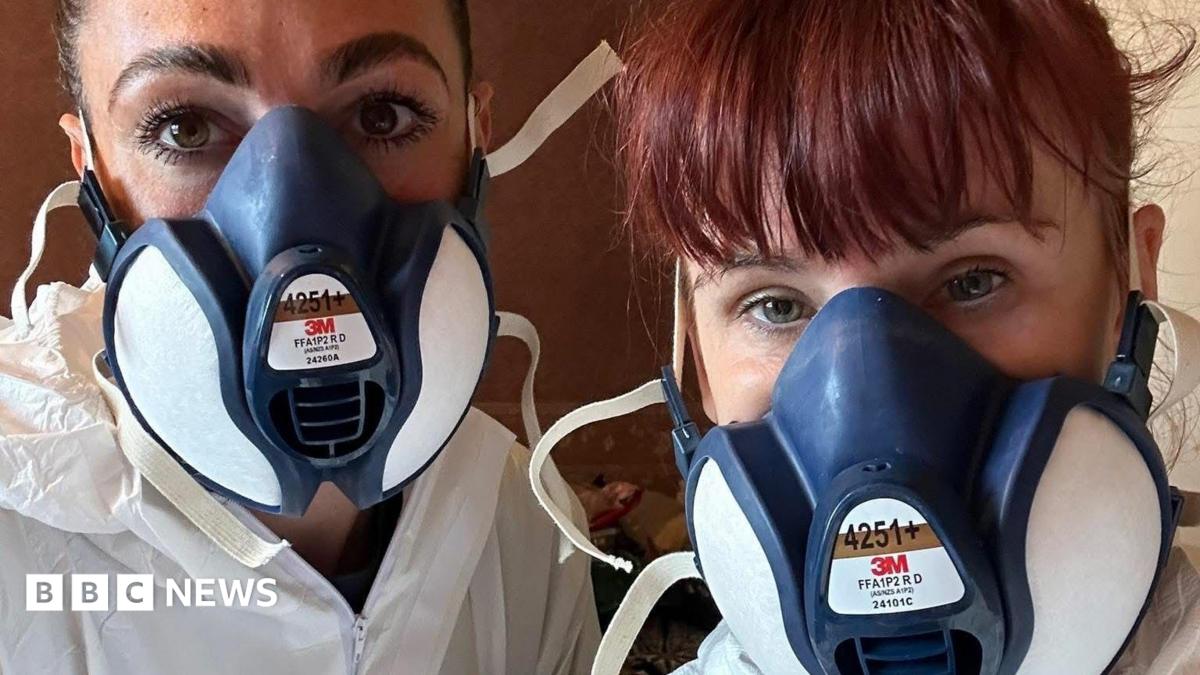
She works with George Baker, who has congenital muscular dystrophy and says Lauren acts as his "arms and legs in an office" while he runs The Disability Union, an organisation representing thousands of disabled people.
George and Lauren have both been impacted by rising delays to Access to Work, a government scheme providing resources like equipment and support staff to ensure disabled workers are not disadvantaged at work.
Campaigners say the delays are "devastating". The government says it has employed 55 more case workers in January to help tackle the backlog and is working to "streamline our processes".
George and Lauren have worked together for 12 years. George has a 24-hour social care package and is also entitled to a seperate support worker to help him do his job.
His support is reviewed every year, and although he says he submitted his documentation before the mid-December deadline, his latest review still hasn't been processed, leaving him without support and Lauren unpaid.
It means Lauren has stepped in to do the work for free. While she is happy to do so for now, she says it is "very draining".
"I've got bills to pay. It takes a toll on me and my family, but I don't want to leave George without the support, but obviously it's not a long term solution."
Lauren helps with physical tasks like typing and checking the post, and "acts like a translator" in meetings when George needs to wear his ventilator and may not be quite so easy to understand.
"She's doing the things that I can't do for myself," he says. "Without that, the business just won't function."
Those calling the Access to Work helpline to submit new applications for the scheme have most recently been met with a message warning them it could take "up to 30 weeks" for their application to be acknowledged. That's 210 days, more than double the 85-day wait at the same point last year.
Rosie, a driving instructor in East Yorkshire, says she has been waiting longer than that, having applied for Access to Work support last January.
She had worked full-time for years until an ADHD burnout left her facing debilitating fatigue, unable to work for more than 15 hours in a week.
Her hope is she will be awarded job coaching to help support her back into full-time work and to grow her business, but a year on and those hopes are fading.
"I just need someone to help me get back to where I was, to earn more money and contribute more, but right now I don't feel I can work to my full potential. I'm stuck."
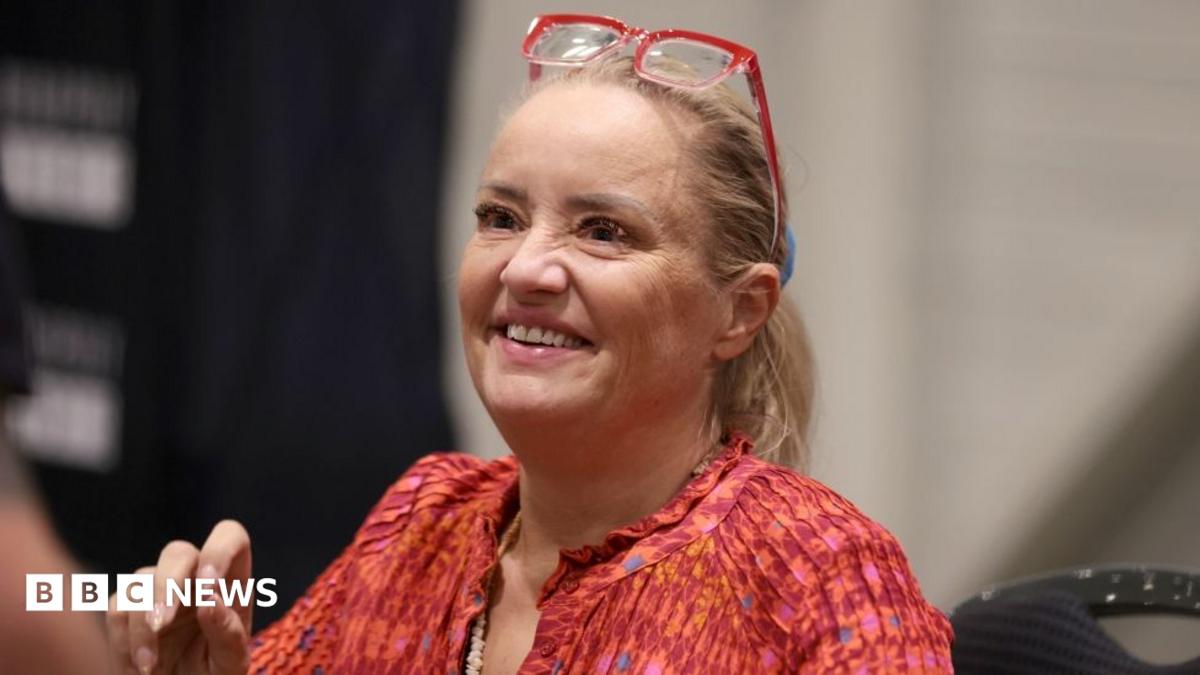
NHS clinical psychologist Dr Danielle Verity, who has a visual impairment, says she has had to drop two of her weekly clinics because her hours with an assigned support worker have been cut from 37.5 hours to 28, without warning.
She has been using Access to Work for 10 years to keep up with the "expectations and obligations" of her role.
"They are my eyes, so that means that I can see the same amount of patients as my colleagues," she says.
Dani says she was "alarmed" when her support hours were cut and worries about her future.
"There's no career progression. I've almost kind of plateaued in the hope that I can keep at the job that I currently do."
 Dr Danielle Verity
Danielle Verity says she needs Access to Work help to keep up with the expectations of her job
Dr Shani Dhanda, co-founder of the Access to Work Collective, a volunteer-led support group, says she has been inundated with similar stories.
"People need this support now to remain in work, but also to get into work," she says.
"Unfortunately, the intent of Access to Work is in major conflict with the administration of it and it's only getting worse."
Ministers have set a goal of 80% of disabled people being in work.
The government says it has seen a "significant rise" in Access to Work applications over the past two years, although it does not know why. It says this has resulted in longer waiting times for applications to be allocated to case managers.
As well as the 55 new case workers who started in January, a further 495 staff have either been recruited into or redeployed from elsewhere within the Department for Work and Pensions (DWP) since January 2023, with the department saying it had worked to "streamline our processes".
Support workers are by far the biggest cost to the Access to Work scheme, with expenditure having increased from £78m in 2012 to £227m in 2025, according to the DWP.
The bill for special aids and equipment has grown, but more modestly, from £8m in 2010 to £19m last year.
As Lauren waits for word on when she might be paid, George says he has some sympathy for those working within the Access to Work team.
"It was quite obvious that she [his case manager] was under an enormous amount of pressure, but for us, it is extremely stressful."
The DWP said the future of Access to Work had been consulted on as part of the Pathways to Work Green Paper and it was "currently considering" its response to it.