1 month ago
24
1 month ago
24

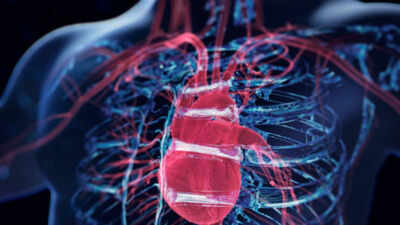
A surprising new scientific study has revealed that the heart has a small network of neurons capable of controlling essential bodily functions. The research conducted at Yale University in US, was published in July 2026 in the scientific journal Cell.
It revealed that this nervous system participates in regulating heartbeats and also protects the organ during physical or physiological stress situations.
A 'brain' hidden inside the heart
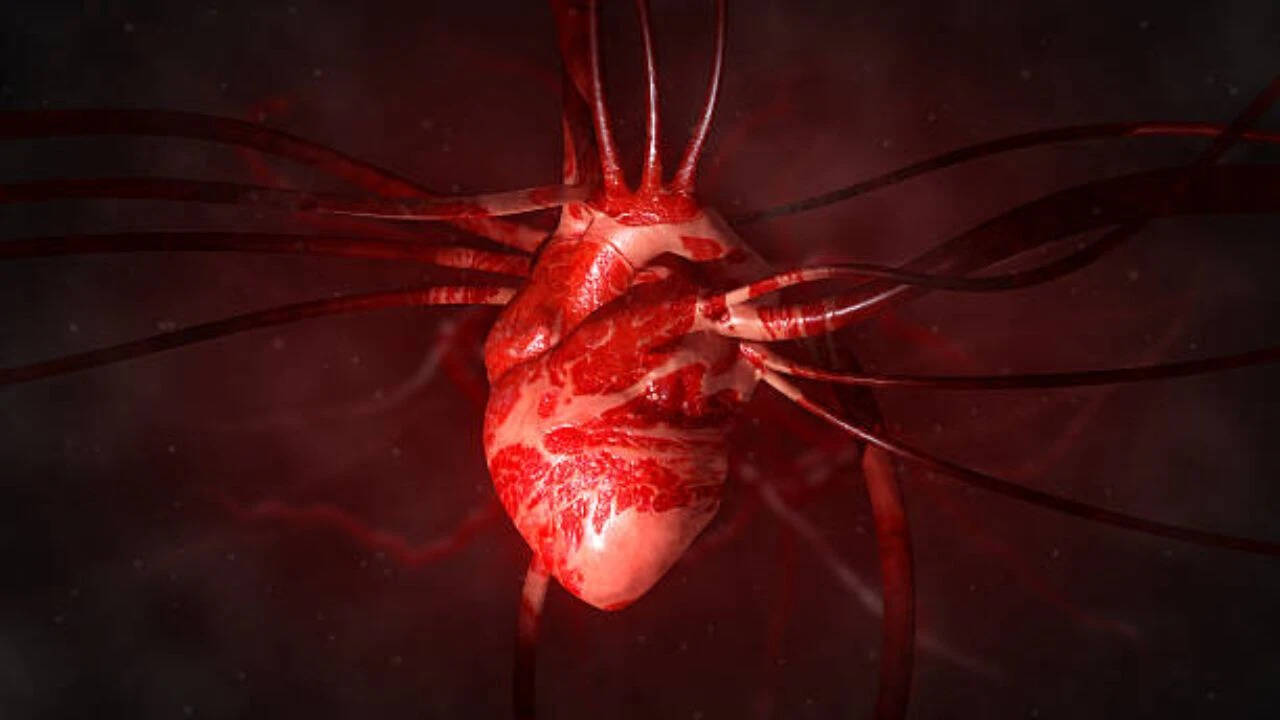
Although it represents only about 0.01% of the cells present in this tissue, the set functions as a local command centre.
The research analysed the so-called intrinsic cardiac nervous system, a neural network located in the adipose tissue surrounding the heart. Although it represents only about 0.01% of the cells present in this tissue, the set functions as a local command centre.
As per the researchers, these neurons communicate with each other and also receive information sent by the brain.
A cardiac control centre
The intestine is often called the 'second brain' for housing an extensive network of neurons linked to digestion and hormone production. But what remained unknown until now is that the heart has its own nervous system, though much smaller. This network represents the final stage of a complex neural circuit responsible for controlling cardiac activity.
To investigate this network, the scientists used genetically modified mice. The neurons of the intrinsic cardiac system were marked and subjected to genetic sequencing. The analysis revealed two main subtypes of nerve cells: Npy+ neurons and Ddah1+ neurons.Each group presented a different function in the functioning and protection of the heart. The experiment showed that these neurons not only act as transmitters of signals sent by the brain, but also process information locally and help define how the heart should respond to different situations.As mentioned in the study, little was known about the functioning of these cells and their importance for cardiovascular health. Now, the new research has helped clarify how different groups of neurons directly interfere with the heartbeats and the protection of the heart.
Npy+ neurons control heart rate

Npy+ neurons play an essential role in controlling heartbeats.
Initial tests revealed that Npy+ neurons play an essential role in controlling heartbeats. The stimulation of these cells reduced the heart rate of the animals analysed.
The elimination of the neurons, however, caused severe consequences. The mice developed heart failure and died after the removal of this cell group.According to the authors, the results show that Npy+ neurons help slow down the heart when the beats become excessively fast. Their presence also proved indispensable for maintaining the normal activity of the organ.
Ddah1+ neurons protect the heart against stress

The absence of the cells made the heart much more vulnerable during moments of stress.
These neurons exhibited different behaviour during the initial experiments.
The activation or removal of these cells did not cause significant changes in the animals’ bodies. This initial absence of effects led researchers to believe that the group would have a limited function. However, an unexpected observation completely changed this interpretation. During a routine procedure to measure blood pressure, a student noticed that a mouse without these neurons died after the exam.
The same result was observed in other genetically modified animals.The repetition of deaths led the team to investigate a possible relationship between Ddah1+ neurons and stress. The experiments exposed the animals to different situations of physical and physiological pressure. Most of the mice without this group of neurons didn't withstand the stimuli.The results indicated that the absence of the cells made the heart much more vulnerable during moments of stress. Under normal conditions, Ddah1+ neurons seem to exert little immediate influence on the beats.
But their function becomes decisive when the organism faces situations that require a more intense cardiac response.
Opens up doors for studies on the human heart
The same neuron subtypes identified in mice were also found in humans, as per the study authors. The functional experiments, though, were only conducted in animals. New research will need to specify if the Npy+ and Ddah1+ neurons perform similar functions in the human heart. Confirmation of this could expand the understanding of heartbeat control and cardiac protection during stress.This study has revealed that the heart does not only rely on the orders sent by the brain to control its activity, it also has its own network capable of interpreting signals and adjusting the heartbeat according to the organism's needs.