13 hours ago
2
13 hours ago
2

John CampbellEconomics and business editor, BBC News NI

 Getty Images
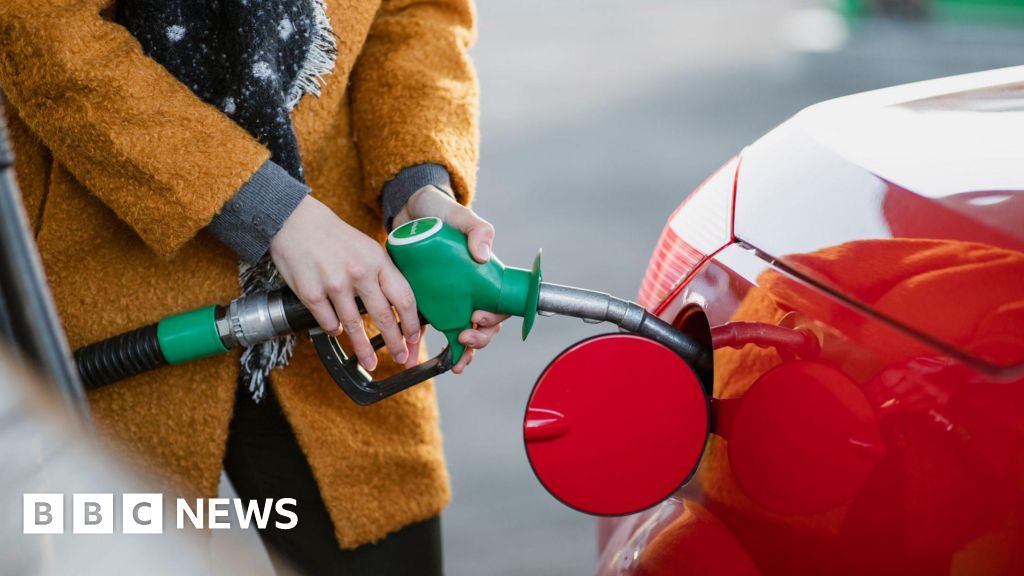
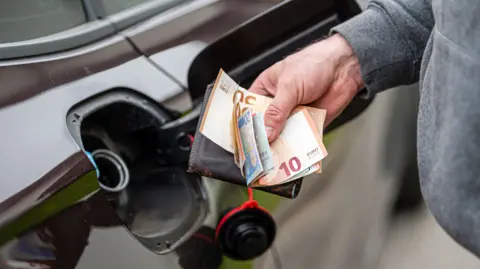
Taxes on petrol and diesel were cut in the Republic of Ireland this week
Ireland's government this week moved to support people who are starting to feel the economic hit from the Iran war.
Taxes on petrol and diesel were cut and there was an extra €150 benefit for around 470,000 of the poorest households.
The package came to just under €250m, a modest amount compared to the estimated €12bn in supports given during the last energy crisis.
Ministers were emphasising the targeted nature of the latest help while leaving the door open to more support should the situation get worse.
"To put it bluntly, nobody knows what the situation will be in a month from now," the Taoiseach (Prime Minister) Micheál Martin said, "We must remain flexible in our response."
Martin added that Ireland's economy enters the crisis from a position of "relative strength".
 Reuters
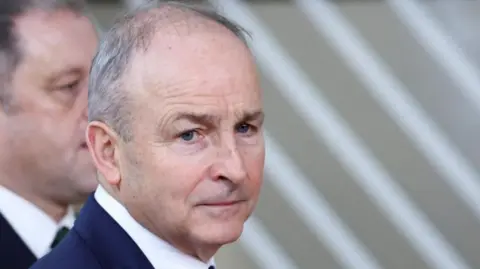
Martin said Ireland's economy enters the crisis from a position of "relative strength"
The country is continuing to enjoy a windfall from US technology and pharma companies who pay much of their global taxes in Ireland.
This has allowed the government to run a budget surplus which gives it more capacity to support households and businesses.
Official data suggests the country's domestic economy grew by almost 5% in 2025, with the number of people in work reaching a record high.
That performance is unlikely to be repeated this year.
However, two forecasts published this week suggest a serious economic downturn can be avoided, although they come with some big caveats.
The country's Central Bank has assessed a baseline scenario in which the war ends relatively soon and supply chains are restored.
In that situation it sees economic growth slowing to below 3% this year with inflation increasing from an average of 2.1% in 2025 to almost 3% this year.
In a more prolonged conflict, it sees growth falling closer to 2% and inflation moving above 4%, which would squeeze living standards.
Importantly, the bank adds that these scenarios are "partial" and "could be accompanied by other negative developments."
In other words, there are a lot of things which could go dramatically wrong in the world economy which they haven't fed into their economic models.
It is a similar story from the Economic and Social Research Institute (ESRI), a think tank.
The ESRI has also warned that rising inflation could also contribute to Ireland's chronic failure to build enough housing.
"One of the risks we see in terms of housing outlook really is that if these energy price spikes feed through into construction inflation that could really weigh on housing output," said ESRI researcher Conor O'Toole.