3 months ago
32
3 months ago
32

Edward RoweGloucestershire Political Reporter

 BBC
BBC
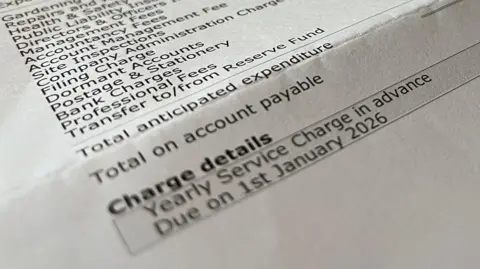
The government is looking to crack down on increasing maintenance costs but some feel the changes don't go far enough
Residents have few rights to challenge them, they often increase annually and cast more than £1,000 a year - what can be done about the growing issue of residential service charges?
When moving into a block of flats, or even a new housing estate the cost of maintenance can pose a financial burden for homeowners. The government is looking to crack down on service charges, but some feel the proposals do not go far enough.
We spoke to three people in the West who have been affected by service charges in different ways.
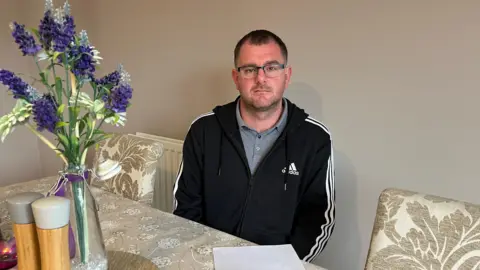
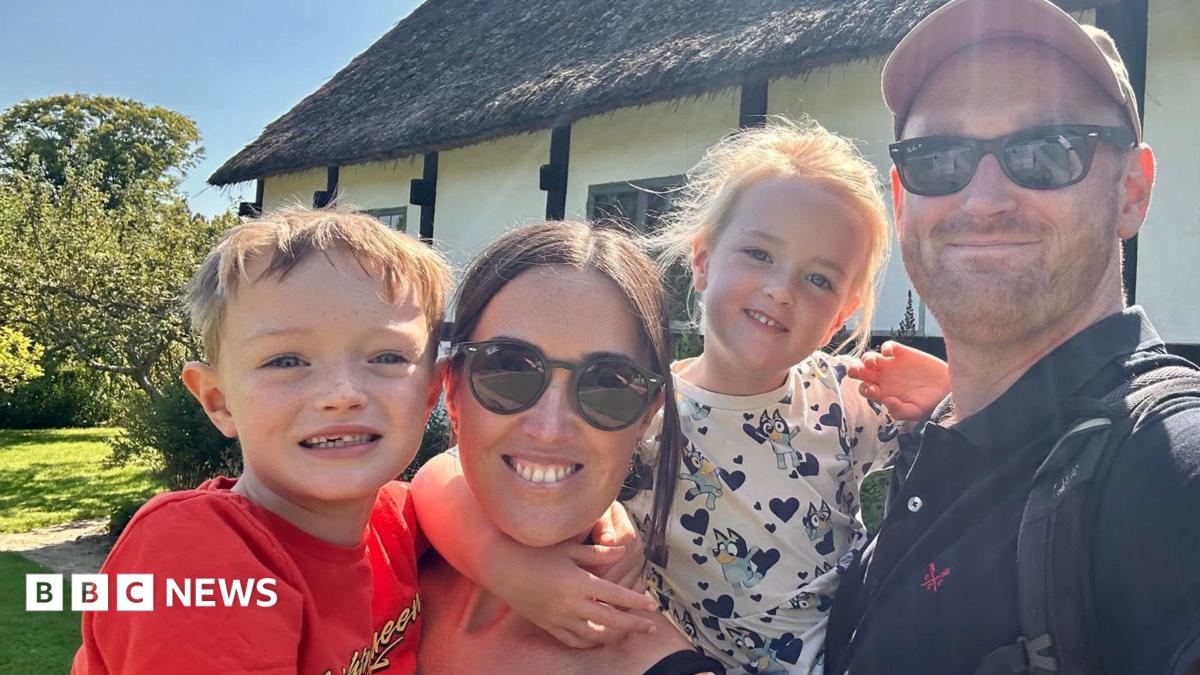
Tarran (pictured) lives in a house and has found the service charges almost doubled since he moved in in 2016
Tarran Wilson and his wife bought their property at Coopers Edge in Gloucestershire in 2016.
At the time Wilson said the charges were around £290 a year - now they are £558.65.
The couple own the freehold of their property, but the management company is in charge of the communal areas - maintaining car parking spaces, paved areas and street lights
Charges include insurance, management fees, bank charges, repairs and garden and ground maintenance - which is shared between 20 homes.
The management fees, at £3,275 between all the homes, are the most expensive item on the bill.
"That has increased now quite significant in total across the whole area," Wilson added.
Residents being 'fleeced'
Liberal Democrat councillor Paul Hodgkinson described the fees as 'crazy'.
"[Residents have] effectively been fleeced by many very high management charges every single year, for remote companies, not based anywhere local," Hodgkinson said.
Gateway Property Management, which has offices in London, Leeds and Southend is the management agent and runs Coopers Edge Management Company ltd.
It told the BBC "budgets have been impacted by wider inflationary pressures" and all expenditure is reviewed carefully.
"Where concerns are raised, these are investigated and addressed," the company added.
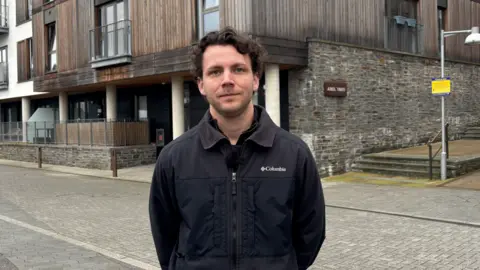
Zak Reid said he moved out of the centre of Bristol due to rising service charges
Zak Reid bought a flat at Wapping Wharf in Bristol in 2020 but decided to move to Clevedon because of rising service charges.
He said in the time he lived in his housing block, charges increased by 60%, ending with him paying more than £1,000 a year.
But Reid claims despite the rise, windows were rarely cleaned and progress on essential maintenance was slow.
The front door lock broke and wasn't fixed for months, resulting in post regularly being stolen out of the property, he added.
Reid said he was concerned if he stayed there too long the service charge increases would mean he wouldn't be able to sell.
"I wanted to get out of a leasehold. I wanted to be a freehold and I was lucky to do so, but I never want to do it again, because I know what they're about," Reid said.
A spokesperson for Rendall and Rittner, which manages the Wapping Wharf block, said: "All services and costs are identified and agreed collaboratively with the resident management company directors.
"We understand that service charges place real financial pressure on leaseholders, and across all our developments we are committed to controlling costs and keeping charges as reasonable as possible."
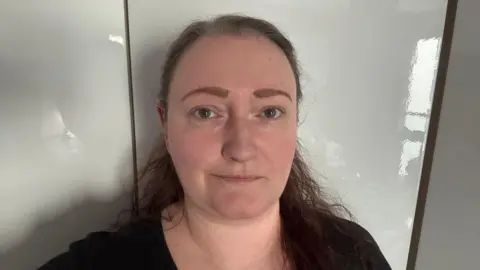 Jax Newman
Jax Newman said she feels she is paying more for worse services
Newman moved in nearly 16 years ago and has a shared ownership flat with service charges rolled into her rent, making up roughly a quarter of the total.
The monthly service charge is £94.33, with the total rent being around £350 a month.
In recent years Newman said she feels things haven't been maintained properly.
On top of the ongoing fire alarm issues, Newman said residents have lost a on-site maintenance person, and she has noticed stains appearing on the carpets and marks on the lift.
"I'd be happy to pay more if I could actually see results and things being done," Jax said, adding "It's maintaining a nice place to live".
A spokesperson for Metro PM, which manages the building, told the BBC: "Service charges are prepared strictly in accordance with the terms of the lease."
The company added the charges are not "increased arbitrarily".
The overall service budget increased by 1.57% in 2026, which Metro PM say "is broadly in line with inflationary pressures".
On the fire alarms, the company said "the majority of recent alarm activations were from resident interference" and said it remains "committed to maintaining the building".
What is the government doing?
The government has run a consultation on leaseholder service charges and is looking at strengthening residents' rights.
How they plan to do that at this stage hasn't been fully explained but they have announced plans to cap ground rents.
This won't affect people like Tarran Wilson, who will still have to pay charges, because he is in a freehold.
Not everyone has welcomed the changes, with the Residential Freeholders Association accusing the government on an "attack on leasehold system" saying they should "introduce regulation to tackle service charges directly".
The draft Leasehold and Commonhold Reform Bill will now be scrutinised by MPs on the Housing Committee before making its way through Parliament, with the cap potentially coming into force in late 2028.